
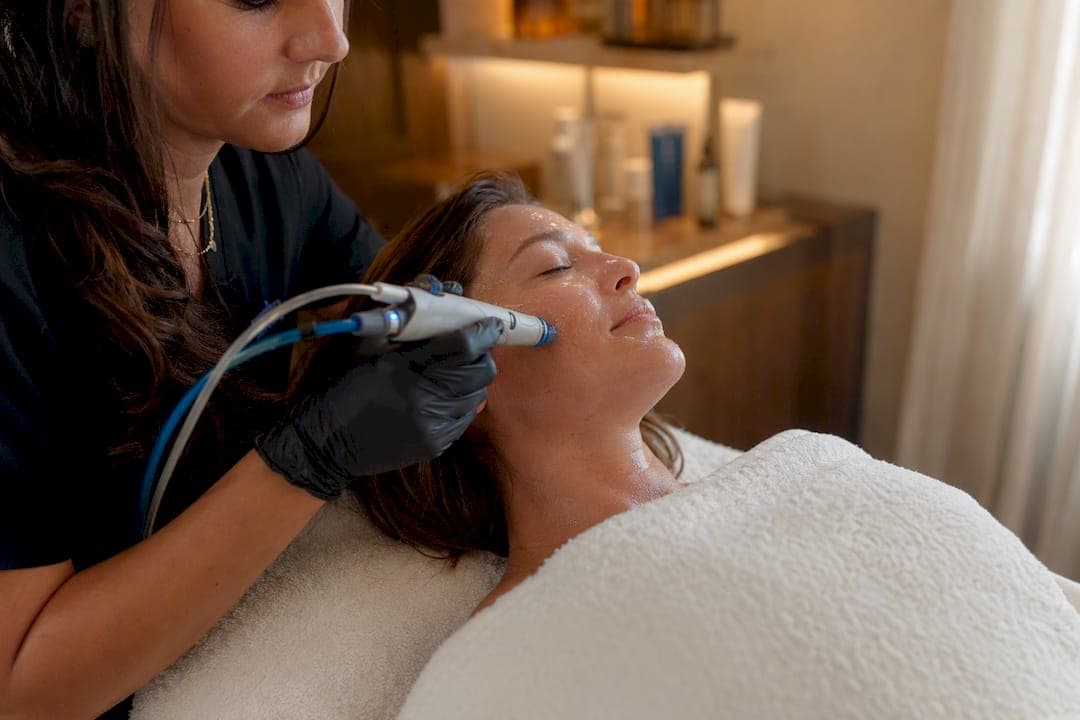
The most reliable Hydrafacial benefits are instant hydration, smoother texture, and visibly decongested pores, all with no downtime. Most people walk out of a session looking like they slept nine hours and drank a gallon of water. Dermatology researchers behind a 12-week clinical study tracked measurable acne improvement across six treatments, and the manufacturer's own proven results data reports high satisfaction across pore size, tone, and fine lines. A single session delivers glow. A series, done consistently at a facility like Elite Laser Center, builds on that.
- Immediate: dewy skin, refined-looking pores, smoother texture
- Cumulative (over a series): reduced acne lesions, more even tone, better product absorption
- Limited: won't erase deep wrinkles, scars, or significant pigmentation on its own
Key Takeaways
Hydrafacial delivers immediate hydration and texture improvement for nearly everyone, while measurable acne and tone changes require a committed series of treatments.
| Point | Details |
|---|---|
| Instant glow is real | Hydration and smoother texture typically peak within hours and fade over three to seven days. |
| Acne needs repetition | Clinical data shows meaningful improvement only after six Clarifying sessions across 12 weeks. |
| Evidence is promising, not definitive | Studies are often small or manufacturer-linked, so treat claims as supportive, not conclusive. |
| Schedule strategically | Book two to three days before events; monthly or quarterly visits suit ongoing maintenance. |
| Elite Laser Center offers supervised protocols | Sessions are customized and performed under medical oversight, with educational resources available before booking. |
Table of Contents
- Hydrafacial Benefits Explained: Hydration, Texture, Pores, and Tone
- Does Clinical Research Support Hydrafacial Results?
- Which Skin Concerns Does Hydrafacial Actually Improve?
- What Happens During a Hydrafacial Session?
- How Long Do Results Last and How Often Should You Go?
- Are There Risks or Reasons to Skip a Hydrafacial?
- How Do You Choose the Right Provider and Protocol?
- Where Does the Clinical Backing Come From?
- Is Hydrafacial Overhyped or Underrated?
- Ready to See Your Own Hydrafacial Results?
- Sources
- FAQ
Hydrafacial Benefits Explained: Hydration, Texture, Pores, and Tone
Each visible result traces back to a specific mechanical or chemical step, not marketing magic. Understanding the "why" helps you set realistic expectations before you book.
Hydration jumps because the treatment infuses hyaluronic acid and antioxidant-rich serums directly into freshly exfoliated skin, where they absorb faster than on a dry, flaky surface. Skin looks plump within minutes because HA binds water at the surface layer, and that plumping effect is what most people mean when they describe the "glow."
Texture and tone improve for a similar reason: the vortex-fusion wand exfoliates dead cells first, so the tone-correcting boosters that follow actually penetrate instead of sitting on top of buildup. The dual-action peel step, gentle glycolic and salicylic acid, loosens the bonds holding dull cells in place, which is why skin often looks brighter within the hour, according to SELF's practical overview of the treatment.
Pore appearance shrinks because vacuum-based suction physically pulls out oil, dead skin, and debris that stretch pores from the inside. Once that material is gone, the pore visually contracts, though it isn't permanently resized.
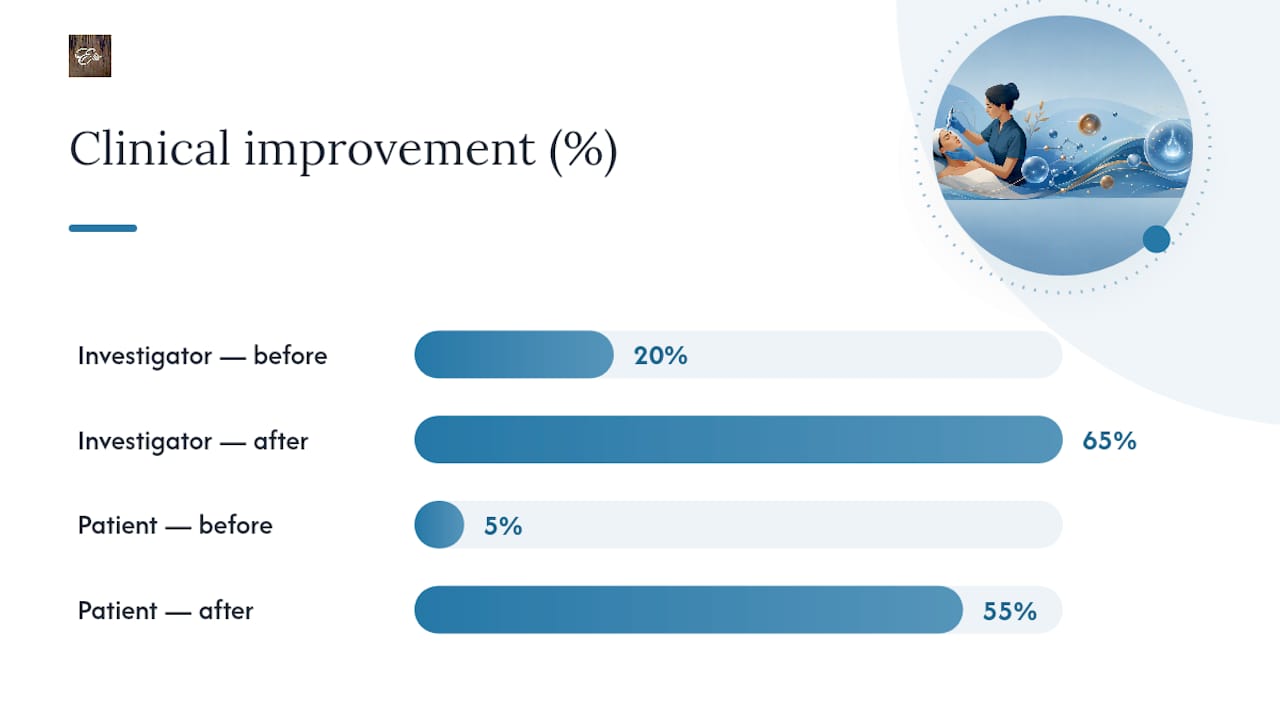
Statistic Callout: In the clinical study of the HydraFacial Clarifying Treatment, investigator-rated "no acne or almost clear" skin rose from 20% to 65% after six sessions, with patient self-assessment climbing from 5% to 55%.
- Shows up immediately: hydration, glow, smaller-looking pores, smoother surface texture
- Needs a series: acne lesion reduction, tone evenness, sustained pore refinement
Some of what you see fades within days. Some builds only with repetition, which is the tradeoff worth understanding before you judge results after one visit.
Does Clinical Research Support Hydrafacial Results?
The strongest data point comes from a 12-week, multicenter, open-label study on the Clarifying Treatment protocol for acne. After six sessions, investigator-rated clear or almost-clear skin rose from 20% to 65%, and the change was statistically significant, with a p-value of 0.0027 according to the published study. That's a real signal, not a rounding error.
Smaller biopsy and imaging studies have found short-term increases in epidermal thickness and antioxidant levels right after treatment, but those microscopic changes reverted to baseline within two weeks. The glow you see is partly biological, and partly temporary.
The device sits in a lighter regulatory category (often 510(k)-exempt), which means it doesn't face the same evidence bar as higher-risk medical devices. That's exactly why most available studies are small, open-label, or manufacturer-funded rather than large randomized trials.
Medical News Today's evidence review reaches a similar conclusion: results look promising, but the research base remains thin. That combination, real short-term data plus limited long-term comparative trials, means Hydrafacial earns credit for documented acne improvement while still falling short of "clinically proven" in the way a prescription retinoid or laser resurfacing might claim.
Which Skin Concerns Does Hydrafacial Actually Improve?
Hydrafacial isn't a universal fix, but it's genuinely useful for a specific set of concerns when the protocol matches the problem.
- Oily or congested acne: the Clarifying protocol, salicylic acid plus suction extraction, is the one backed by the clinical trial data above. Cystic or actively inflamed acne needs a dermatologist first.
- Mild hyperpigmentation: brightening boosters (vitamin C, licorice root extracts) help surface discoloration fade gradually. Deeper melasma or sun damage typically needs peels or laser treatment instead.
- Fine lines: temporary plumping from hyaluronic acid smooths superficial lines for a few days. Deep static wrinkles or acne scarring need RF micro-needling or similar resurfacing.
- Sensitive skin: boosters and peel strength are adjustable, which makes this one of the more forgiving professional facials for reactive skin types.
Pro Tip: If pigmentation is your main concern, ask your provider to compare Hydrafacial against a DiamondGlow treatment or a stronger peel. Matching the tool to the concern matters more than picking the trendiest name.
What Happens During a Hydrafacial Session?
A typical session runs 30 to 60 minutes and follows a consistent sequence, whether you're getting the classic protocol or an upgraded version with add-ons.
- Cleanse and exfoliate: the HydroPeel tip resurfaces the skin and clears the outer layer of dead cells.
- Acid peel: a gentle glycolic/salicylic blend loosens debris without the sting of a traditional chemical peel.
- Extraction: painless vacuum suction pulls out blackheads and built-up oil.
- Infusion: hyaluronic acid, antioxidants, and peptides are pushed into the skin for hydration and repair.
- Optional add-ons: LED light therapy calms inflammation, and lymphatic drainage can reduce puffiness. Both are detailed in a full walkthrough of the treatment steps.
Your provider should review your medications, recent procedures, and skin conditions before starting. Makeup is safe to apply the same day.
How Long Do Results Last and How Often Should You Go?
The visible glow typically lasts three to seven days before skin gradually returns to its baseline appearance, based on consumer reporting on the treatment. Deeper changes, like acne lesion reduction, only showed up after six sessions across 12 weeks in the clinical trial data referenced earlier.
- Event prep: book two to three days before a wedding or major event for peak glow.
- Maintenance: monthly sessions keep pores clear and hydration consistent.
- Budget-conscious approach: quarterly or seasonal sessions still deliver noticeable upkeep, just with slower cumulative gains.
A detailed frequency guide and cost breakdown can help you weigh monthly visits against a quarterly rhythm based on your skin goals and budget.
Are There Risks or Reasons to Skip a Hydrafacial?
Side effects are typically mild: temporary redness or a light stinging sensation that resolves within a few hours.
- Active cystic or heavily inflamed acne often needs medical treatment before extraction-based facials.
- Recent isotretinoin use, open wounds, or a strong chemical peel or laser session within the past two weeks are reasons to wait.
- Ask a medical provider directly if you're unsure your skin has healed enough for suction extraction.
- Be wary of any provider skipping a consultation or promising permanent results. That's a red flag, not a selling point.
How Do You Choose the Right Provider and Protocol?
Picking a provider matters as much as picking the treatment itself.
- Confirm medical supervision. Ask directly whether treatments are performed under a medical provider's oversight, not just by a technician working solo.
- Ask about the specific protocol and boosters. Request before-and-after photos from clients with your skin type, not generic marketing images.
- Discuss frequency and pricing upfront. A reputable clinic will walk you through package options and realistic timelines rather than pushing a single expensive session.
Pro Tip: If a provider can't clearly explain contraindications for your skin, or promises results a device with 510(k)-exempt status simply can't guarantee, keep looking. Understanding why medical supervision matters in skincare is a useful filter before booking anywhere.
Where Does the Clinical Backing Come From?
Elite Laser Center Medical Spa offers Hydrafacial treatments with protocols performed under experienced medical supervision, and publishes step-by-step educational content so patients know what to expect before booking.
- Treatments are customized by trained staff rather than run on a one-size-fits-all setting.
- Consultations screen for contraindications before any extraction or peel step begins.
- Patients can request a tailored protocol and booster plan suited to their skin type and goals.
Is Hydrafacial Overhyped or Underrated?
Most coverage treats Hydrafacial as either a miracle or a marketing gimmick, and both takes miss the point. The honest read of the evidence: it's a genuinely effective maintenance tool with one real clinical win, acne improvement across a series, and a lot of surrounding hype about permanence that the data doesn't support.
What gets underrated is the consistency angle. People chase the single dramatic session instead of building a monthly or quarterly rhythm, then feel let down when the glow fades in a week. That's not the treatment failing. That's a mismatch between how it actually works and how it's marketed.
What gets overrated is the assumption that suction and serums can substitute for stronger interventions like laser resurfacing or RF micro-needling when the concern is genuinely deep, scarring, static wrinkles, significant pigmentation. Hydrafacial does its job well within a narrow lane. Respecting that lane, rather than expecting it to do everything, is what actually gets people the results they want.
— Sharon
Ready to See Your Own Hydrafacial Results?
Elite Laser Center gives you what a lot of spas skip: every Hydrafacial session is performed under real medical supervision, with boosters and protocols adjusted to your actual skin, not a generic package.
If you're weighing Hydrafacial against microneedling or a stronger resurfacing option, it's worth a quick conversation before you commit either way. Elite Laser Center's team can also walk you through complementary options like LED light therapy or RF micro-needling if your skin needs more than surface-level correction. For readers comparing broader facial rejuvenation approaches, providers like Park Lane Medspa also cover microneedling protocols worth understanding as you decide what fits your skin.
Book a consultation through the Elite Laser Center facials and peels page to get a protocol built around your skin type, your timeline, and your budget, not a generic menu.
This article is general information, not a substitute for advice from a qualified doctor. Consult a qualified healthcare professional about your own circumstances before acting on anything here.
Sources
- HydraFacial Clarifying Treatment clinical study (PMC)
- HydraFacial proven results (manufacturer)
- Hydrafacial treatment overview and practical expectations (SELF)
- Hydrafacial overview and evidence appraisal (Medical News Today)
- Hydrafacial treatment review (Cosmopolitan)
FAQ
What Does a Hydrafacial Actually Do to Your Skin?
It exfoliates dead skin, extracts debris from pores using suction, and infuses hydrating and brightening serums, producing immediate hydration and smoother texture.
How Long Do Hydrafacial Results Typically Last?
The visible glow usually lasts three to seven days, while acne and tone improvements from a series can persist longer with consistent treatments.
Is Hydrafacial Worth It for Acne-Prone Skin?
For oily or congested acne, clinical data shows real improvement after six treatments, though active cystic acne should be evaluated by a medical provider first.
How Often Should You Get a Hydrafacial?
Monthly sessions work well for ongoing maintenance, while quarterly or seasonal visits offer a more budget-friendly option with slower cumulative results.
Does Elite Laser Center Offer Hydrafacial Treatments?
Yes. Elite Laser Center performs Hydrafacial treatments under medical supervision with customized boosters and protocols based on individual skin goals.