
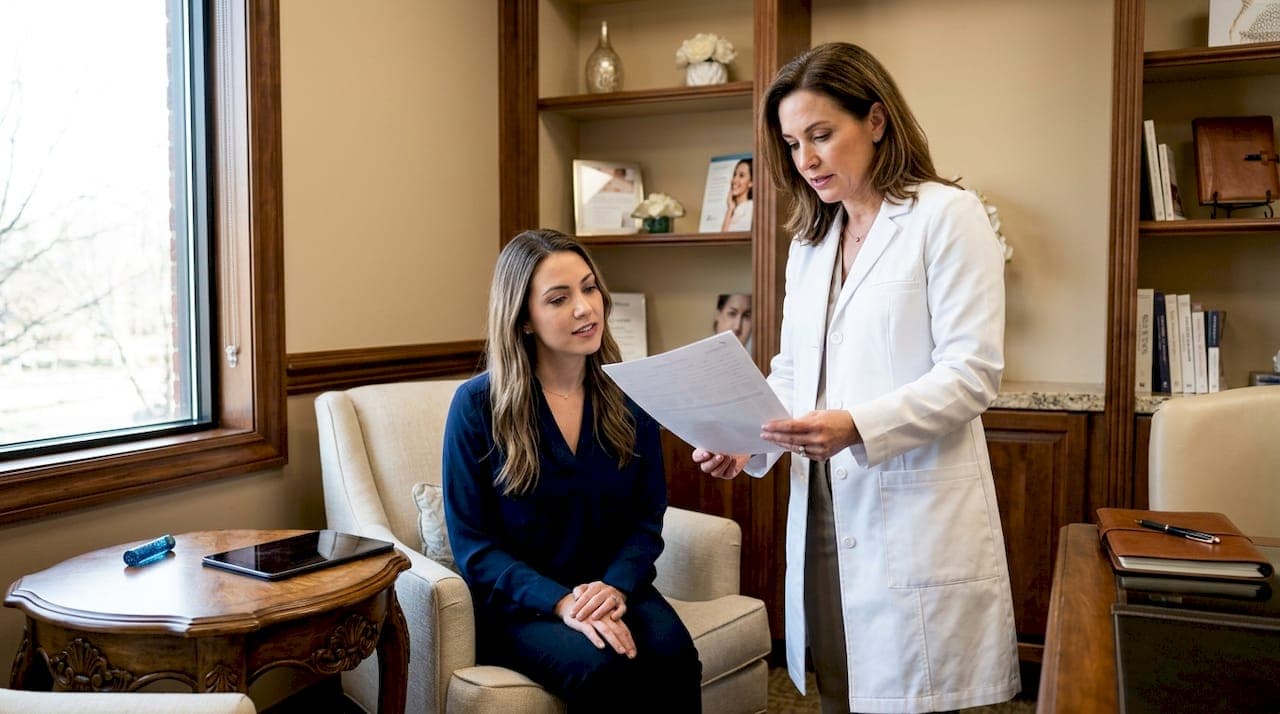
Medical supervision in skincare is defined as the professional oversight of aesthetic treatments by licensed physicians, nurses, or credentialed specialists to ensure patient safety and clinical effectiveness. The role of medical supervision in skincare goes far beyond simply having a doctor on call. It determines which treatments you can safely receive, who performs them, and what happens if something goes wrong. Facilities like Elitelaserhair operate under this model, with all treatments performed under experienced medical oversight. State medical boards, clinical protocols, and nurse practice acts all shape how supervision works in practice. Understanding this system helps you make smarter, safer decisions about your skin.
What are the different levels of medical supervision in skincare?
Medical supervision in aesthetic settings is not a single standard. Supervision levels are legally defined as direct, indirect, and general, and each carries different requirements for physician presence.
Direct supervision requires the physician to be physically present in the facility and immediately available to intervene. This level applies to higher-risk or newer procedures where real-time oversight is non-negotiable. Indirect supervision requires the physician to be on-site but not necessarily in the same room. General supervision only requires prior authorization and availability by phone.
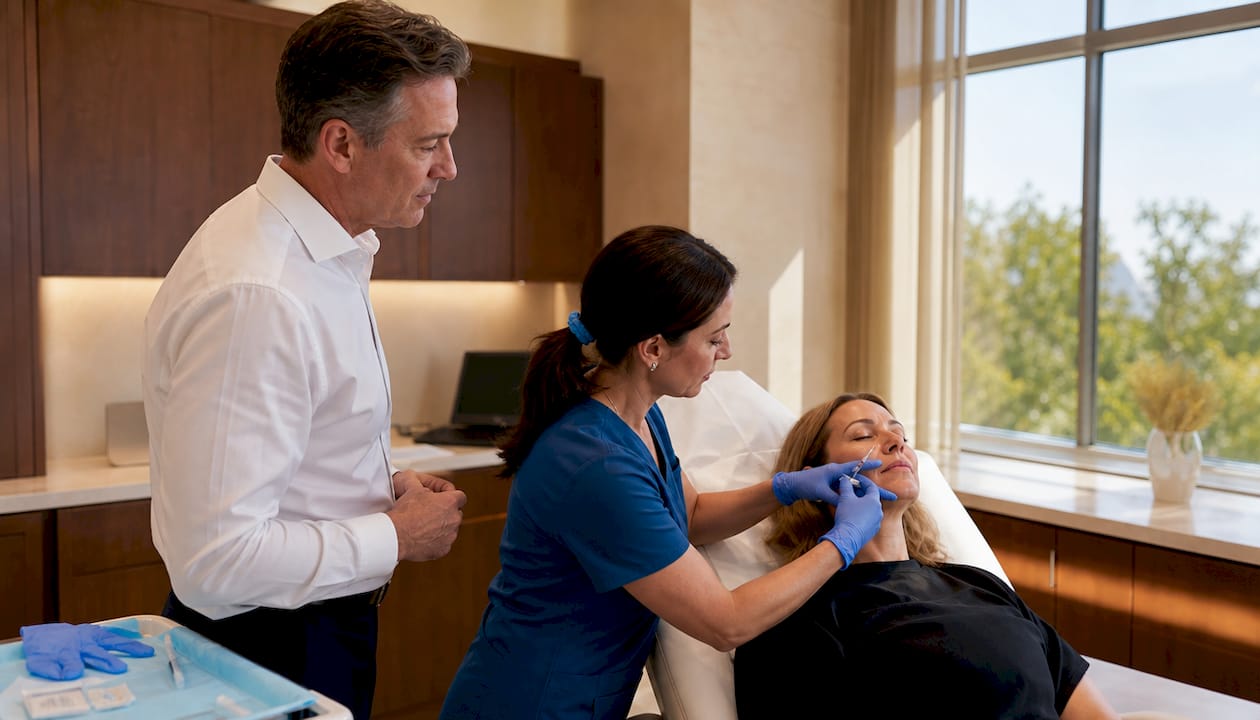
These distinctions matter because they directly affect patient safety. A procedure performed under general supervision carries more risk than one performed under direct supervision, especially when complications arise quickly.
State laws define these levels differently, which creates real variation in what is legally permitted across the country. State nurse practice acts govern which treatments may be delegated to nurses, medical assistants, or estheticians, and under what supervision tier. A treatment that a nurse can perform independently in one state may require direct physician oversight in another.
Delegation also carries documentation requirements. Delegation agreements must be documented and regularly reviewed, and the supervising physician should have hands-on training in the specific procedures being supervised. A physician who signs off on treatments they have never personally performed does not meet the standard of true oversight.
Here is a quick breakdown of how supervision tiers typically apply:
- Direct supervision: Injectables like Botox and fillers, laser procedures, chemical peels with prescription-strength agents
- Indirect supervision: Many medical-grade facials, microneedling, and mid-level laser treatments
- General supervision: Routine skin assessments, non-prescription product recommendations, basic facials
Pro Tip: Ask your provider which supervision level applies to your specific treatment before booking. If they cannot answer clearly, that is a red flag.
Why does medical supervision prevent complications in skincare treatments?
Unsupervised aesthetic procedures cause preventable harm. [Procedures done without proper oversight](https://www.thehindu.com/sci-tech/health/why-dermatologists-are-warning-against-salon-botox-fillers-lasers-and iv-drips/article71027818.ece) frequently result in infections, asymmetry, ptosis (drooping), and burns. These are not rare edge cases. They are documented outcomes when treatments are performed outside a medically supervised setting.
The risks cluster around a few key failure points:
- Asepsis failures: Non-medical settings often lack sterile technique, increasing infection risk with any injectable or skin-penetrating procedure.
- Incorrect product selection: High-potency actives applied to the wrong skin type cause chemical burns and long-term pigmentation damage.
- No emergency protocol: Without a physician available, adverse reactions like allergic responses or vascular occlusion from fillers can become life-threatening.
- Scope violations: Medical assistants and estheticians cannot independently perform invasive or prescription treatments. When they do, patients bear the consequences.
Successful aesthetic outcomes depend more on the practitioner's understanding of anatomy and complication management than just willingness to perform procedures. A skilled injector knows not only how to place a product, but how to recognize and reverse a vascular complication within minutes.
Dermatologists consistently warn against salon-based injectables, laser treatments, and IV drips for this exact reason. The equipment may look similar, but the clinical judgment behind it is not. Medical supervision provides the risk assessment layer that separates a safe treatment from a dangerous one.
Procedures like RF microneedling and injectables require trained specialists who understand tissue depth, contraindications, and how to respond when a patient's skin reacts unexpectedly. That knowledge does not come from a weekend certification course.
How do medical-grade skincare programs structure professional oversight?
Medical-grade skincare programs follow a defined clinical structure. A typical program includes a 30–45 minute initial consultation followed by an active phase of 18–24 weeks with professional monitoring throughout.
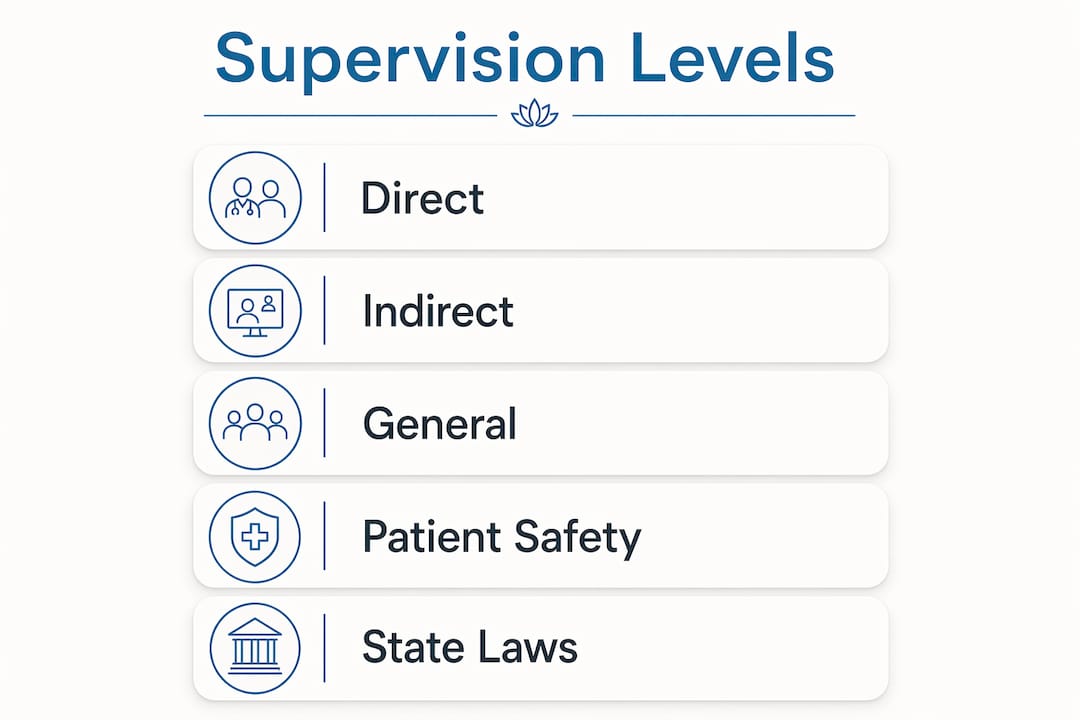
That structure exists because medical-grade products are not interchangeable with over-the-counter options. Physician-dispensed skincare contains higher concentrations of active ingredients that require professional assessment before use and ongoing monitoring for safe results. Visible skin improvement typically occurs after 8–12 weeks under professional guidance. That timeline reflects how the skin actually responds, not a marketing promise.
Here is how a well-structured program typically unfolds:
- Initial consultation (30–45 minutes): Skin type assessment, medical history review, identification of contraindications, and goal setting.
- Regimen design: A tailored product protocol based on clinical findings, not generic skin type categories.
- Active treatment phase (18–24 weeks): Regular follow-up appointments to monitor skin response and adjust the regimen.
- Ongoing assessment: Tracking irritation, unexpected reactions, and treatment effectiveness over time.
- Maintenance planning: Transitioning from active correction to long-term skin health management.
Professional oversight provides ongoing regimen adjustments based on how your skin changes throughout the program. That adaptability is what separates a clinical protocol from a product you buy and use alone.
| Program Phase | Duration | Key Activity |
|---|---|---|
| Initial consultation | 30–45 minutes | Skin assessment and regimen design |
| Active treatment | 18–24 weeks | Monitoring and regimen adjustments |
| Visible improvement | 8–12 weeks in | Clinical evaluation of skin response |
| Maintenance | Ongoing | Long-term skin health management |
Pro Tip: Ask your provider to document your skin condition at the start of the program. Baseline photos and notes make it far easier to measure real progress at the 12-week mark.
Trained estheticians can perform skin assessments and recommend non-prescription clinical-grade products, but they cannot prescribe or administer higher-risk treatments without medical involvement. The physician or nurse practitioner in the program is not a formality. They are the clinical anchor that makes the entire protocol safe.
How do you verify and choose skincare treatments with proper supervision?
Choosing a supervised skincare provider requires more than reading reviews. The credentials and active involvement of the medical director matter more than the type of facility. A well-branded med spa with an absent medical director carries more risk than a modest clinic with a hands-on physician.
Use this checklist before committing to any treatment:
- Verify the medical director's credentials. Confirm their license is current and that they specialize in aesthetics, not just hold a nominal title.
- Ask who performs your treatment. Know whether it will be a physician, nurse practitioner, registered nurse, or esthetician, and confirm that the supervision level matches the procedure.
- Confirm emergency protocols. Any clinic performing injectables or laser treatments should have a written protocol for adverse events, including access to reversal agents like hyaluronidase for filler complications.
- Review the consent process. Informed consent should be specific to your procedure, not a generic waiver. It should list risks, alternatives, and post-treatment care.
- Watch for pricing red flags. Unusually low prices on injectables or laser treatments often signal undertrained staff or diluted products.
Pro Tip: Search your provider's name on your state medical board's website before your first appointment. License verification takes two minutes and can save you from a serious mistake.
Structured recovery plans and follow-up appointments are also signs of legitimate medical supervision. A provider who sends you home with no aftercare instructions and no scheduled follow-up is not practicing clinical oversight. They are performing a transaction.
You can also look for facials and peels programs that explicitly list the supervising provider's credentials on their website. Transparency about who oversees your care is a baseline standard, not a bonus feature.
Key Takeaways
Medical supervision in skincare is the single most important factor in determining whether an aesthetic treatment is safe and effective.
| Point | Details |
|---|---|
| Supervision levels vary by law | Direct, indirect, and general supervision carry different physician presence requirements by state. |
| Unsupervised procedures cause real harm | Infections, burns, and asymmetry are documented outcomes when medical oversight is absent. |
| Medical-grade programs follow clinical structure | Programs run 18–24 weeks with an initial 30–45 minute consultation and ongoing monitoring. |
| Credentials matter more than facility type | The medical director's active involvement determines patient safety, not the clinic's branding. |
| Verification protects you | Checking licenses, asking about emergency protocols, and reviewing consent forms are non-negotiable steps. |
What I have learned from watching supervision fail and succeed
After years of observing how aesthetic clinics operate, the pattern is consistent. The clinics with the best outcomes are not always the most expensive or the most visually impressive. They are the ones where the medical director is genuinely present, not just listed on a website.
The most common failure I see is the gap between what a clinic advertises and what actually happens during treatment. A facility can market "physician-supervised" services while the physician visits once a month to sign paperwork. That is not supervision. It is liability coverage. Patients who do not ask the right questions before their appointment often discover this difference only after a complication.
The other pattern worth naming is the price trap. When a clinic offers injectables or laser treatments at prices that seem too good, the savings usually come from somewhere. Undertrained staff, off-brand products, or absent oversight are the most common explanations. The cost of correcting a bad outcome almost always exceeds what you saved on the original treatment.
What actually works is a provider relationship built on ongoing assessment. The best results I have seen come from patients who treat their skincare program as a clinical process, not a one-time appointment. They show up for follow-ups, report changes in their skin, and work with their provider to adjust the regimen. That collaboration is what medical supervision is designed to support.
My recommendation is simple. Prioritize the medical director's credentials and presence over price, location, or aesthetics of the space. Ask direct questions. If the answers are vague, walk away.
— Sharon
Elitelaserhair: supervised skincare and aesthetic treatments in Suffolk County
Elitelaserhair operates every treatment under experienced medical supervision, with credentialed staff and physician oversight built into each protocol.
Whether you are considering laser hair removal in Stony Brook or a medical-grade skincare program, every service at Elitelaserhair follows the clinical standards this article describes. The center has been recognized as the top CoolSculpting facility in New York and carries a three-year guarantee on laser hair removal packages. Treatments like HydraFacial MD and skin tightening are performed by trained specialists with active physician involvement. Schedule a consultation in Stony Brook to review your skin goals with a qualified provider and receive a treatment plan built around your specific needs.
FAQ
What is medical supervision in skincare?
Medical supervision in skincare is the oversight of aesthetic treatments by a licensed physician, nurse practitioner, or credentialed specialist to ensure safety and clinical effectiveness. It includes pre-treatment assessment, procedure oversight, and post-treatment monitoring.
What supervision level is required for Botox and fillers?
Injectables like Botox and fillers typically require direct supervision, meaning a physician must be physically present or immediately available to intervene. State laws vary, but higher-risk procedures consistently demand the highest supervision tier.
How do I know if a skincare clinic has proper medical oversight?
Verify the medical director's license on your state medical board's website, ask who performs your specific treatment, and confirm the clinic has written emergency protocols. Clinics with genuine oversight are transparent about all three.
What are the risks of skincare treatments without medical supervision?
Unsupervised procedures frequently result in infections, burns, asymmetry, and ptosis. Without a physician available, serious complications like vascular occlusion from fillers can escalate rapidly without proper reversal treatment.
How long does a medical-grade skincare program take?
A structured medical-grade skincare program typically runs 18–24 weeks, starting with a 30–45 minute initial consultation. Visible improvement generally appears after 8–12 weeks of consistent professional monitoring and regimen adjustments.