
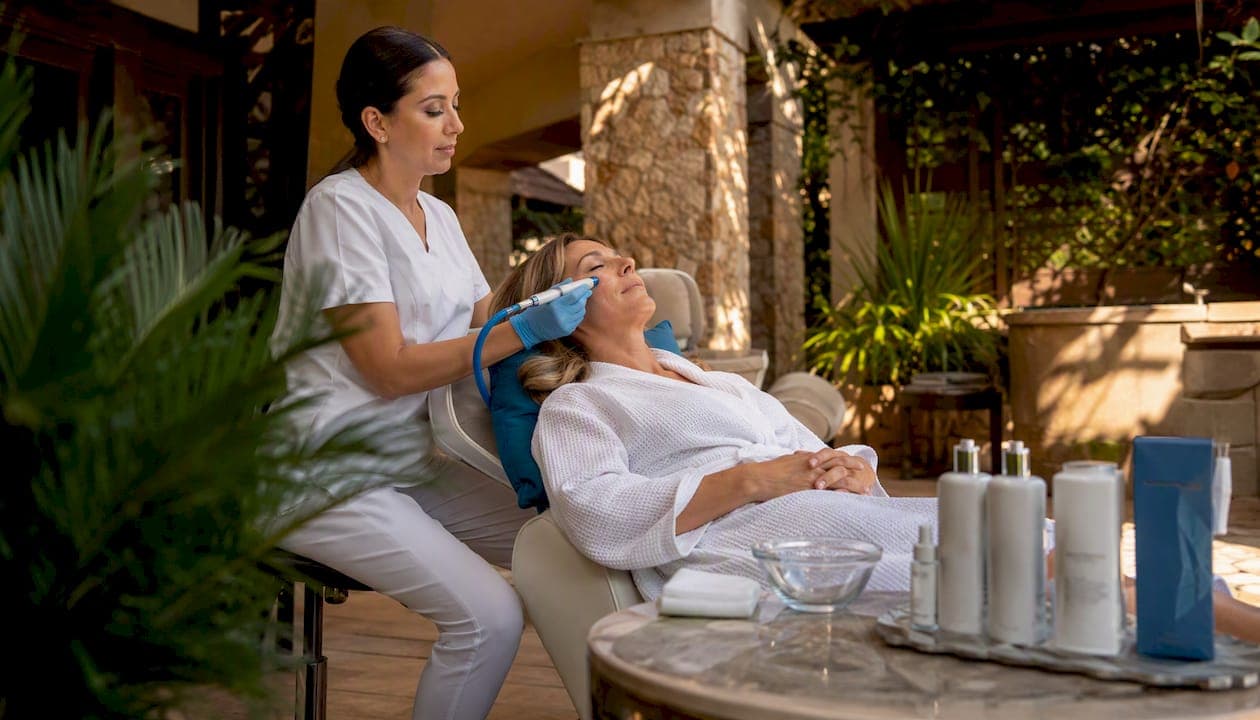
A HydraFacial typically runs $150–$350 per session in the U.S., with RealSelf member data putting the national average around $209. For most people, that price is worth it when used consistently for hydration, congestion, and that immediate post-treatment glow. One thing to know upfront: HydraFacial is an elective cosmetic procedure, so health insurance does not cover it. Every dollar comes out of pocket.
If you want a quick benchmark before diving deeper, the $150–$250 range covers a standard session at most med spas. Anything above $250 usually means you're adding boosters, LED therapy, or lymphatic drainage, or you're at a physician-run clinic where medical oversight is built into the price. Elitelaserhair, a medical spa in Suffolk County, NY, offers HydraFacial MD under experienced medical supervision and is a solid option if you're in the area.
Table of Contents
- What actually happens during a HydraFacial
- HydraFacial cost breakdown by tier
- What drives the price of a HydraFacial
- Is a HydraFacial worth the price?
- How long results last and what maintenance actually costs
- Common add-ons and what "7-step" actually means
- Practical ways to lower what you pay
- Why Elite Laser Center is worth considering for your HydraFacial
- Key Takeaways
- The case for thinking in annual spend, not session price
- Medical-grade HydraFacial at Elitelaserhair in Suffolk County
What actually happens during a HydraFacial
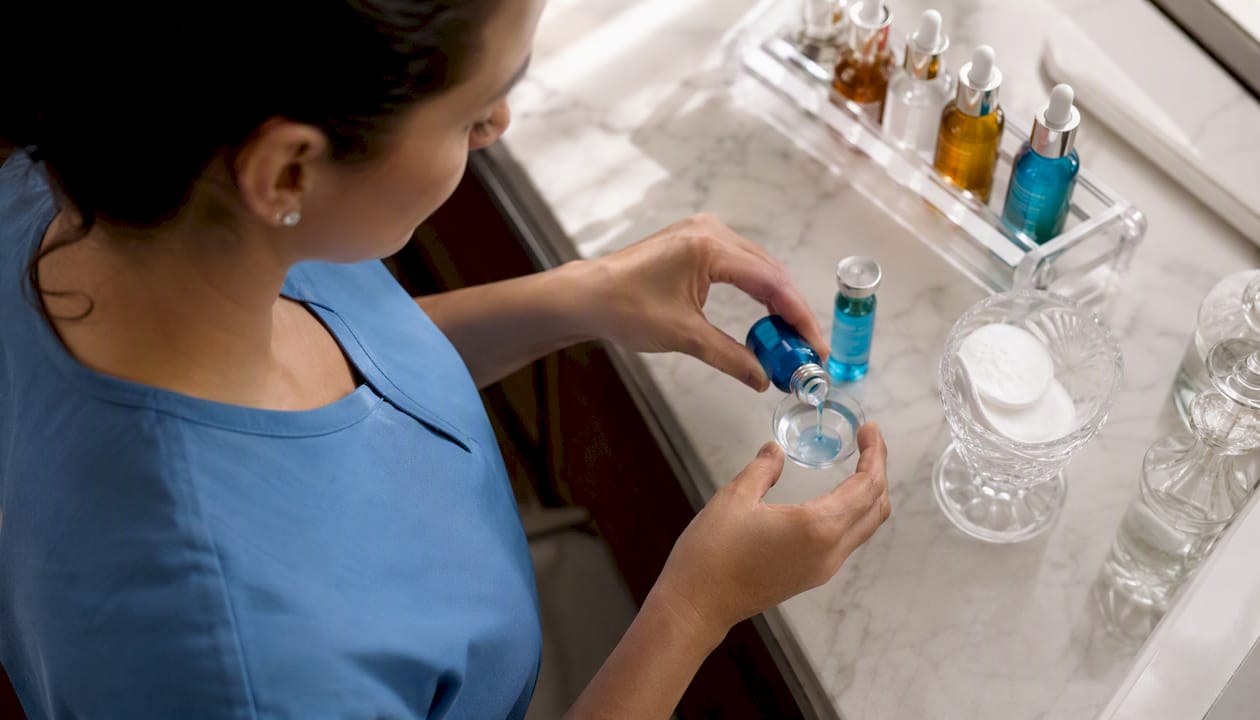
A HydraFacial is a multi-step, device-based facial that uses a patented vortex tip to cleanse, extract, and infuse the skin simultaneously. It's not a traditional facial. The machine does the work, which is why results are consistent and the treatment is repeatable.
The core three steps are:
- Cleanse and exfoliate — a gentle resurfacing removes dead skin cells and opens pores
- Extract — painless suction clears debris, blackheads, and congestion
- Hydrate and infuse — antioxidants, peptides, and hyaluronic acid are delivered into the skin
Beyond those three steps, providers can layer on boosters and add-ons, which is where the "7-step" or "8-step" marketing language comes from. More on that below.
HydraFacial MD is the higher-tier product line found at medical spas and physician offices. It uses the same core device but is typically paired with medical-grade boosters and performed under clinical supervision. A standard session runs about 45 minutes with no downtime. You can go straight back to work, which is a real advantage over chemical peels or microneedling.
HydraFacial cost breakdown by tier
Pricing follows a three-tier structure at most U.S. med spas, and the differences between tiers are meaningful, not just cosmetic.
| Tier | Typical Price Range | Session Time | What's Included | Best For |
|---|---|---|---|---|
| Signature / Standard | $150–$250 | ~45 min | Core 3 steps, basic serum infusion | Maintenance, first-timers |
| Deluxe | $200–$300 | ~45 min | Core steps + 1 booster + LED therapy | Targeted concerns (pigment, acne) |
| Platinum | $275–$350 | ~45 min | Core steps + multiple boosters + LED + lymphatic drainage | Comprehensive rejuvenation |
The Signature tier is the entry point. It covers the three core steps and is what most people picture when they hear "HydraFacial." The Deluxe adds one targeted booster and usually LED light therapy. The Platinum goes further with multiple boosters and lymphatic drainage, which reduces puffiness and preps the skin to absorb serums more effectively.
Memberships and packages change the math considerably. Many clinics offer monthly memberships with fees in a moderate range, typically including one session per month at a reduced per-session rate. A series of three sessions often comes with a per-session discount compared to walk-in pricing. Elitelaserhair's Skin Care Club membership starts at $99 and bundles recurring treatments with member pricing.

Pro Tip: When a clinic quotes you a package price, divide the total by the number of sessions and compare that to the walk-in rate. Then factor in whether you'll actually use every session before the package expires. A 6-session bundle is only a deal if you use all six.
What drives the price of a HydraFacial
The same treatment can cost $175 at one clinic and $325 at another. Here's why:
- Provider type and credentials. Board-certified dermatologists and physician-owned practices typically charge more because medical oversight is part of the service. Aesthetician-led spas often price lower for the same branded device. Neither is automatically better, but the clinical context matters if you have active skin conditions.
- Geographic market. A HydraFacial in Manhattan or San Francisco will cost more than the same tier in a mid-size city. Rent, labor, and local demand all feed into the price.
- Tier and session length. Moving from Signature to Platinum can add $100–$150 to your bill. Longer sessions with more steps cost more.
- Boosters and add-ons. Each booster typically adds $40–$100 to the base price. LED therapy, lymphatic drainage, and growth-factor serums are the most common extras.
- Tipping. Gratuity is standard in the spa industry. Budget 15–20% on top of the service price. At a moderate session price, tipping of around 15–20% is customary and adds to the total cost over time.
Is a HydraFacial worth the price?
For the right skin goals, yes. For others, the money is better spent elsewhere.
Where it delivers:
- Immediate, visible hydration and glow with zero downtime
- Effective for congestion, mild pigmentation, and dullness
- Consistent results because the device controls the treatment, not just the provider's technique
- Customizable with boosters for targeted concerns
Where it falls short:
- Results typically last about one month, so a single session is not a long-term fix
- Not a substitute for stronger clinical treatments when dealing with deep acne scarring, significant laxity, or advanced sun damage
- Ongoing maintenance cost adds up quickly without a membership or package
Before booking anywhere, ask the provider for before-and-after photos from real clients with your skin type, confirm the credentials of whoever will be performing the treatment, and get a clear picture of the recommended maintenance schedule. Those three questions will tell you more than any price list.
Insurance does not cover cosmetic HydraFacial treatments. This is a purely elective procedure, and no U.S. health plan includes it.
How long results last and what maintenance actually costs
A single session delivers results you can see immediately. Skin looks brighter, feels smoother, and pores appear smaller. That visible improvement typically holds for about a month before the skin returns to baseline.
Most providers recommend a session every 4–6 weeks for ongoing maintenance. At that cadence, here's what a year looks like:
- Monthly sessions at $200/session (walk-in): roughly $2,400/year
- Monthly membership at $149/month: roughly $1,788/year, a meaningful reduction
- Series of 6 at a discounted rate: depends on the clinic's package math, but series pricing commonly saves 10–20% versus walk-in rates
The membership route makes the most financial sense if you're committed to a regular schedule. The walk-in route works fine for occasional treatments or event prep.
Quick note on insurance: HydraFacial is not covered by health insurance in the U.S. Plan your budget accordingly.
Common add-ons and what "7-step" actually means
The core HydraFacial protocol is three steps. When a clinic advertises a "7-step" or "8-step" HydraFacial, they're counting boosters, LED therapy, and lymphatic drainage as additional steps. It's a marketing frame, not a different machine or process.
Common add-ons and what they do:
- LED light therapy — red light for anti-aging, blue light for acne; often included in Deluxe and Platinum tiers
Here's how those extras affect your bill:
| Add-On | Typical Extra Cost |
|---|---|
| Single booster serum | $40–$100 |
| LED light therapy | $40–$100 |
| Lymphatic drainage | $40–$100 |
| Growth-factor / peptide upgrade | $40–$100 |
Published med-spa guides consistently put per-booster pricing in the $40–$100 range. Deluxe and Platinum tiers bundle some of these, so buying them à la carte on a Signature session often costs more than simply upgrading the tier.
Practical ways to lower what you pay
Cost-saving strategies exist, and most of them don't require compromising on quality.
- Monthly membership. The most reliable way to reduce per-session cost. Clinics structure memberships so the effective per-session rate drops noticeably below walk-in pricing when you stick to the cadence.
- Bundled series. A series of 3 or 6 sessions typically comes with a per-session discount. Local pricing examples show tiers priced $195–$345 with explicit series discounts.
- New-client introductory rates. Many clinics offer a discounted first session. Worth asking about before you book.
- Stick to the Signature tier for maintenance. If your skin is in good shape and you're maintaining rather than treating a specific concern, the Signature tier does the job. Save the Platinum for a special occasion or a quarterly deep treatment.
- Timed promotions. Clinics often run specials around slower seasons. Signing up for a clinic's email list is the easiest way to catch those.
Pro Tip: Before committing to a membership, read the cancellation and transfer policy carefully. Some clinics charge a fee to cancel before a minimum term, and unused sessions may not roll over. Calculate the effective per-session cost assuming you use every session, then decide if the commitment makes sense for your schedule.
One caveat: when you have an active skin condition, rosacea, or a history of reactions, don't let price be the deciding factor. A credentialed provider at a medically supervised clinic is worth the premium.
Why Elite Laser Center is worth considering for your HydraFacial
Elitelaserhair operates as a full medical spa in Suffolk County, NY, with all treatments performed under experienced medical supervision. That clinical oversight matters when you're choosing where to get a HydraFacial, particularly if you want the HydraFacial MD product line with medical-grade boosters.
Key proof points:
- Medical supervision on every treatment. Not every spa can say that. At Elitelaserhair, the clinical context is built in.
- HydraFacial MD and DiamondGlow both available, giving clients access to advanced facial options beyond a standard spa-grade session.
- Skincare Club membership starting at $99, with recurring treatments and member pricing for clients who want a consistent maintenance plan.
- Recognized as the top CoolSculpting facility in New York, which speaks to the level of clinical investment the practice makes across all services.
- Local reputation in Suffolk County backed by patient testimonials and real, visible outcomes.
When you book a consultation at Elitelaserhair, ask to see before-and-after photos from clients with your skin type and confirm which provider will be performing your treatment and their credentials. Those two questions are the fastest way to evaluate any clinic.
Book your HydraFacial MD consultation or browse the full facials and peels menu to see what's available.
Key Takeaways
A HydraFacial costs $150–$350 per session in the U.S., with the national average around $209; memberships and packages are the most reliable way to reduce that per-session cost over time.
| Point | Details |
|---|---|
| National price range | Standard sessions run $150–$250; Deluxe $200–$300; Platinum $275–$350. |
| Results and frequency | Results last about one month; most providers recommend sessions every 4–6 weeks. |
| Main cost drivers | Provider credentials, geographic market, tier, and add-on boosters all affect your final price. |
| Insurance status | HydraFacial is elective and not covered by any U.S. health insurance plan. |
| Elitelaserhair option | Elitelaserhair in Suffolk County offers HydraFacial MD under medical supervision with a Skincare Club membership starting at $99. |
The case for thinking in annual spend, not session price
Most people evaluate a HydraFacial by the single-session price. That's the wrong unit of measurement.
The treatment's value is cumulative. One session gives you a good day. A consistent monthly cadence over six months actually changes your skin's baseline. That shift in framing changes how you should shop for it.
If you're prepping for a specific event, a single Signature or Deluxe session is a reasonable, low-risk spend. Book it 5–7 days before the event so any minor redness resolves and the hydration effect is at its peak.
If you're building a maintenance routine, the membership math deserves serious attention before you commit to walk-in pricing. The difference between $200/session monthly and a $149 membership isn't just $51 per visit. Over a year, that's over $600 in savings, enough to fund a quarterly Platinum upgrade.
The one place I'd push back on the conventional "just find the cheapest option" advice: provider credentials matter more than most pricing guides admit. A $175 session at a clinic where no one checks your skin history or adjusts the protocol for your concerns is not the same value as a $225 session at a medically supervised practice. The device is the same. The clinical judgment is not.
Medical-grade HydraFacial at Elitelaserhair in Suffolk County
If you've done the research and you're ready to book, Elitelaserhair gives you something most local options don't: a HydraFacial MD performed under medical supervision, with access to the full range of boosters and the option to pair it with complementary treatments like LED light therapy or DiamondGlow.
The Skincare Club membership starts at $99 and is designed for clients who want consistent results without paying walk-in rates every month. For anyone weighing a one-time session against a longer commitment, a consultation is the right first step. The team can walk you through which tier fits your skin goals, show you before-and-after photos, and confirm the credentials of your provider before you spend a dollar.
Book your HydraFacial MD at Elitelaserhair or visit the facials and peels page to see the full menu and current membership options.
This article is for general informational purposes only and is not a substitute for professional medical or skincare advice. Consult a licensed provider to confirm which treatments are appropriate for your skin.