
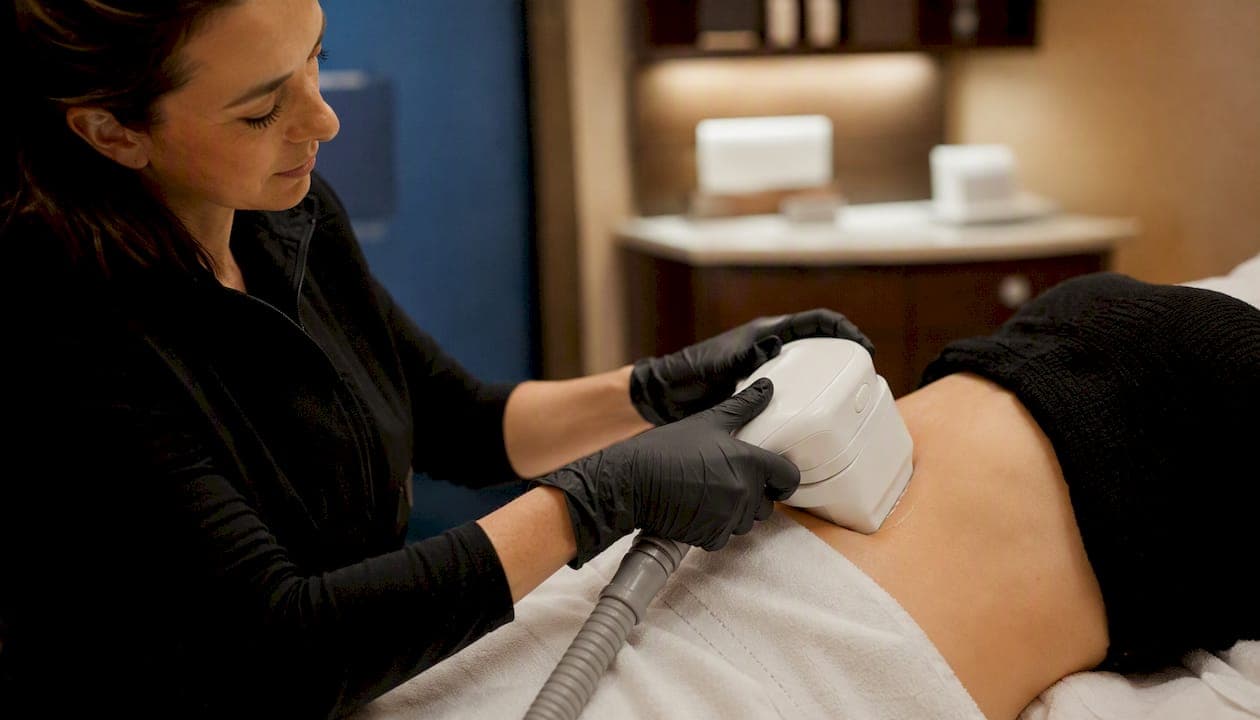
Real CoolSculpting before-and-after photos show localized contouring in a specific spot, not overall weight loss. That distinction gets lost in a lot of galleries. A flank or a double chin looks flatter because the fat layer under the skin genuinely thins, but the scale barely moves, and it usually shouldn't. Most clinical photo sets show the "after" image several weeks after treatment, since fat cells take time to clear the body, and some pairs represent two or three treatment cycles stacked together rather than one session.
Before trusting a gallery photo, check for:
- The same pose, lighting, and camera distance in both shots
- A documented "weeks after" timestamp, not just "before/after"
- A note on whether the patient's weight stayed stable
Pro Tip: If a gallery doesn't say how many weeks passed or how many sessions were done, treat the photo as marketing, not evidence.
Key Takeaways
CoolSculpting before-and-after photos are reliable evidence only when they document session count, timing, and weight stability, and multiple cycles generally produce larger, more visible reductions than a single session.
| Point | Details |
|---|---|
| Photos show contouring, not weight loss | A flatter area in photos reflects localized fat reduction, and credible galleries note the patient's weight held steady. |
| Timing matters | Most comparison photos are taken at 8 to 12 weeks or later, since fat clearance takes time to stabilize. |
| More cycles often mean bigger change | Studies tracking three or more cycles per area report substantially larger skinfold reductions than one or two cycles. |
| Rare risk exists | Paradoxical adipose hyperplasia can appear months later and typically needs surgical correction, though it's uncommon. |
| Verify photo authenticity | Matching pose, lighting, camera distance, and a documented timeline separate real results from marketing. |
| Elite Laser Center documents cases consistently | The clinic uses fixed lighting, a position mat, and FDA-approved equipment to make its before-and-after photos comparable and trustworthy. |
Table of Contents
- CoolSculpting Before-and-After Photos by Treatment Area
- When Do CoolSculpting Results Actually Show Up?
- How to Tell If a Before-and-After Photo Applies to You
- How Elite Laser Center Documents Real Patient Results
- Side Effects, Rare Risks, and Who Shouldn't Get CoolSculpting
- Turning Gallery Research Into a Consultation Plan
- Sources
- FAQ
CoolSculpting Before-and-After Photos by Treatment Area
Photos read differently depending on where the fat sits and how the tissue responds to cold. Grouping by area is the only way to compare your situation to someone else's honestly, since a flank result at 12 weeks and a chin result at 12 weeks are not the same kind of change.
Abdomen. This is the area with the most cycle variation. Many clinics plan two to four cycles across the midsection, and photos taken at 12 weeks or later tend to show the clearest flattening. A single cycle on a small pocket can look convincing in photos; a broader midsection usually needs more.
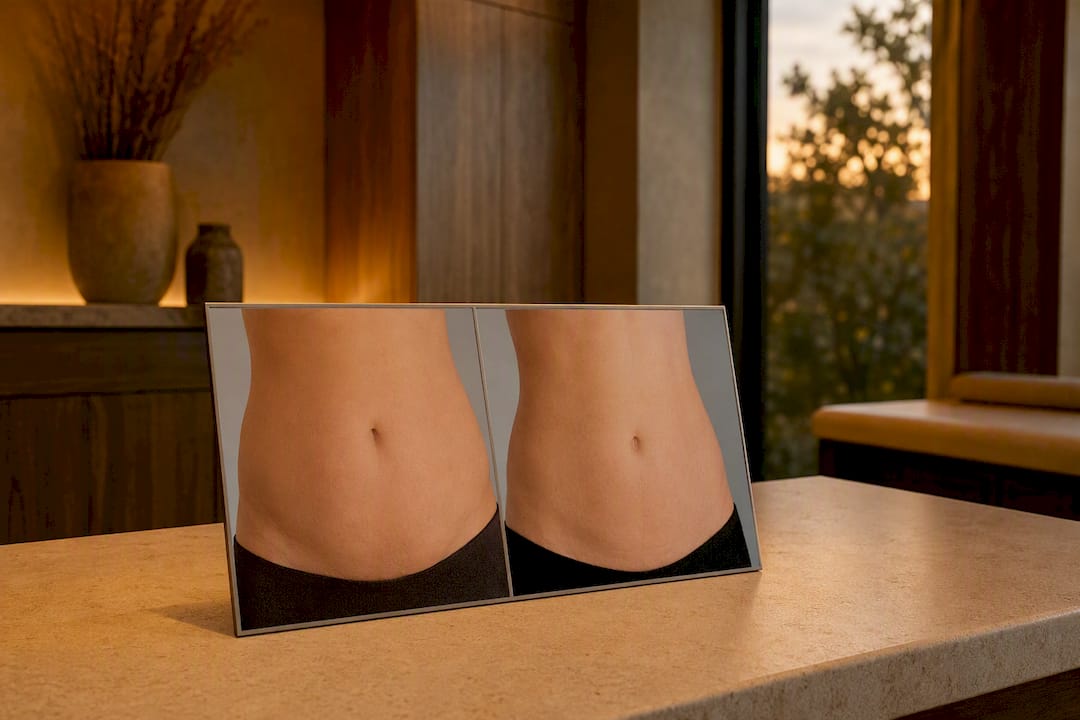
Flanks (love handles). Often treated alongside the abdomen in the same visit. Flank fat tends to respond well to a single or double applicator pass, and side-angle "after" shots at 8 to 12 weeks are standard.
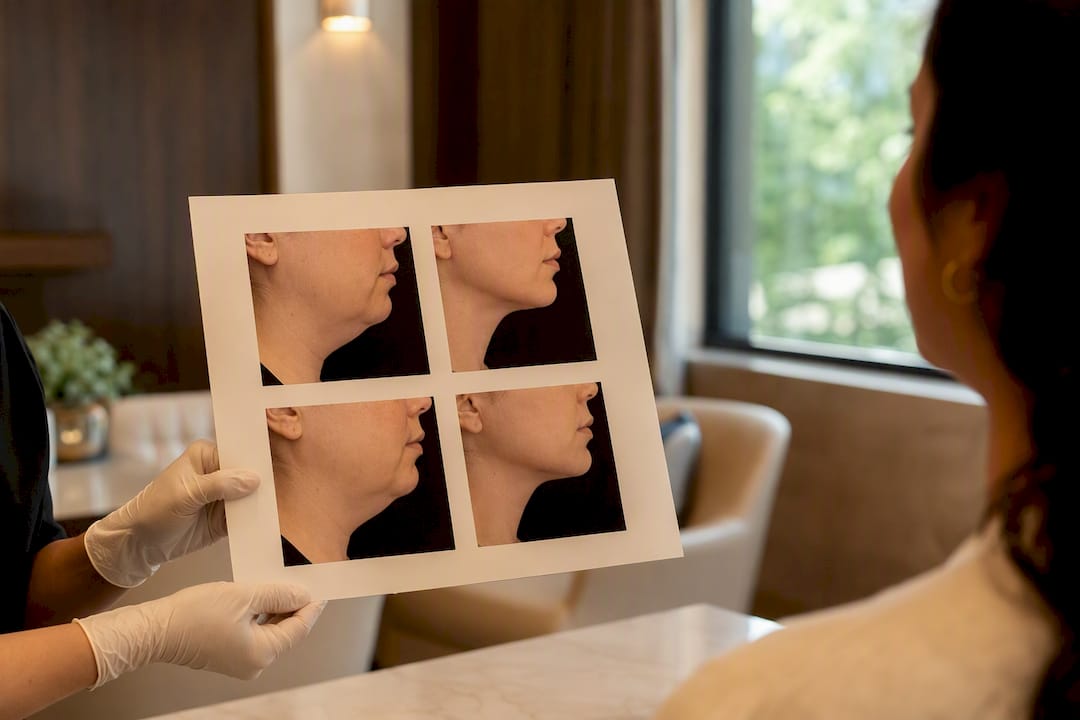
Submental area (double chin). FDA-cleared and one of the more dramatic-looking transformations in photos, partly because the skin there is thin and the change is easy to see from a profile angle. One to two cycles is typical.
Thighs. Inner and outer thighs are usually photographed from the front and side. Multiple cycles are common here since thigh fat can be more resistant.
Upper arms. A newer FDA-cleared area. Photos usually show a straight-arm pose against a plain background, with one cycle per arm.
Banana roll (below the buttock) and bra/back fat. Smaller, more targeted areas where even a single cycle can produce a visible line change, but photos are harder to standardize because pose shifts easily distort the shot.
A trustworthy caption always tells you three things: how many sessions, how many weeks after treatment the photo was taken, and whether the patient's weight held steady. Skip galleries that leave all three blank.
When Do CoolSculpting Results Actually Show Up?
Some patients notice early softening around 4 to 6 weeks, but that is rarely the moment clinics use for comparison photos. Most galleries wait several weeks or longer, since that window is when the body has cleared most of the treated fat cells and the change is stable enough to document fairly.
Session count changes the math. A prospective clinical analysis tracking patients through multiple cycles found average skinfold thickness dropped notably by 12 weeks among responders, and larger gains were seen in people who received more treatment cycles. Compare that to the smaller, single-cycle studies manufacturers sometimes cite, which report closer to a 20 to 25 percent reduction in a limited sample. More cycles, tracked over a longer results timeline, tend to move the number higher.
None of this makes CoolSculpting a weight-loss tool. Cryolipolysis targets a specific fat layer in a specific spot. That's why credible galleries almost always note the patient's weight stayed the same, because a weight change would make the "before" and "after" comparison meaningless.
How to Tell If a Before-and-After Photo Applies to You
A flattering photo means little if the conditions behind it don't match. Run through this before you take any gallery at face value:
- Check the pose. Both shots need the same angle, the same stance, and the same distance from the camera.
- Check the lighting. Shadows and overhead light can fake a contour that isn't real.
- Check the timeline. A caption should state the exact number of weeks between photos, not a vague "after."
- Check for a weight note. If weight isn't mentioned, ask the clinic directly.
- Check for combination treatments. Some "after" photos include skin tightening or CoolTone on top of CoolSculpting, and that combination changes the outcome.
Heavy cropping, mismatched poses, or a small print disclaimer about "combined treatments" are red flags. RealSelf's patient review data shows real-world outcomes vary more than curated galleries suggest, which is exactly why raw documentation matters more than a polished thumbnail.
Pro Tip: Ask any clinic for the raw, unedited version of a before-and-after pair. A provider confident in its results will show you the file, not just the crop.
How Elite Laser Center Documents Real Patient Results
Elite Laser Center Medical Spa performs CoolSculpting on FDA-approved equipment under medical supervision, and every case is photographed the same way every time: fixed lighting, a marked position mat, and a consistent camera distance for every patient. Standardizing those variables is what separates a photo you can trust from one you can't, since even a slight shift in angle or light can fake a result that isn't there.
Consistent photography conditions, not flattering angles, are what make a before-and-after pair meaningful. When the pose, distance, and lighting never change, the only thing left to change is the tissue itself.
Case documentation includes:
- Session count and area treated
- Exact weeks between "before" and "after"
- Notes on whether the patient's weight stayed stable
- Disclosure of any combined treatments, such as CoolTone
That level of detail is what turns a gallery photo into evidence instead of an advertisement.
Side Effects, Rare Risks, and Who Shouldn't Get CoolSculpting
Most people experience temporary redness, swelling, bruising, or numbness in the treated area, and these effects typically resolve within days to a few weeks without any intervention.
A rarer complication deserves direct attention: paradoxical adipose hyperplasia (PAH), where the treated fat visibly enlarges instead of shrinking. It tends to appear 2 to 5 months after treatment and, unlike normal results, doesn't resolve on its own. Correcting it usually requires liposuction or another surgical step. It's uncommon, but real, and worth understanding in detail before you commit to a treatment plan.
Anyone considering CoolSculpting should disclose pregnancy, cold-related circulatory conditions like cryoglobulinemia, and any prior skin sensitivity issues at the consult stage. A qualified clinician needs your full history to rule out contraindications before your first session, not after.
Turning Gallery Research Into a Consultation Plan
Once you've seen enough photos to know what realistic results look like for your area, the next step is a real consultation. Three questions are worth asking directly:
- How many cycles will my specific area likely need? Abdomens and thighs often take more than a chin or flank.
- What's the realistic timeline to my final look? Expect a range in weeks, not days.
- Do I have loose skin that fat reduction alone won't fix? If so, ask whether a complementary muscle-toning treatment or skin-tightening add-on makes sense for your goals.
Budgeting matters too, since multiple cycles cost more than one session, and a clinic that's upfront about total cost across your full plan is one worth trusting.
A Note on Reading Your Own Results
Every patient's fat responds a little differently, and skin elasticity plays as much of a role as the fat layer itself. Photos help you calibrate expectations, but they can't replace an in-person assessment of your own tissue and goals.
— Sharon
See Your Own Results, Documented Properly
Photos in a gallery can only tell you so much. What actually matters is how your body responds, and that requires an in-person look from someone trained to assess fat layers, skin quality, and cycle needs honestly. Elite Laser Center performs CoolSculpting on FDA-approved devices under medical supervision, with the same fixed lighting and positioning standards described earlier applied to every patient's documentation, not just the ones chosen for a website gallery.
If you're weighing whether your midsection, chin, or thighs are good candidates, the fastest way to find out is a consultation, not another hour of scrolling photos that may not reflect your body type. Visit the CoolSculpting page at Elite Laser Center to see local case documentation and book a time to get assessed in person.
Sources
- Prospective analysis of multiple-cycle cryolipolysis (PMC8047906)
- Cleveland Clinic — Fat freezing (cryolipolysis)
- CoolSculpting — Real results and before & after gallery
- RealSelf — CoolSculpting reviews
FAQ
How Much Do 3 Sessions of CoolSculpting Cost?
Cost varies by area, applicator size, and clinic, and multi-cycle plans cost more than a single session. Ask for a full quote covering all planned cycles rather than a per-session price, and see budgeting guidance for multiple cycles before committing.
How Long Do CoolSculpting Results Last?
Once fat cells are eliminated from the treated area, they don't return, so results are considered long-term as long as your weight stays stable. Significant weight gain afterward can still add fat to untreated or treated areas alike.
Is CoolSculpting Actually Worth It?
For localized fat pockets that don't respond to diet and exercise, it's a reasonable non-surgical option with FDA clearance and a documented safety profile. It's not a substitute for weight loss, and results depend heavily on realistic cycle planning at a qualified clinic like Elite Laser Center.
What Is the Downside of CoolSculpting?
Temporary swelling, redness, and numbness are common and self-limited. The more serious downside is the rare risk of paradoxical adipose hyperplasia, which causes tissue enlargement instead of reduction and generally requires surgical correction.