
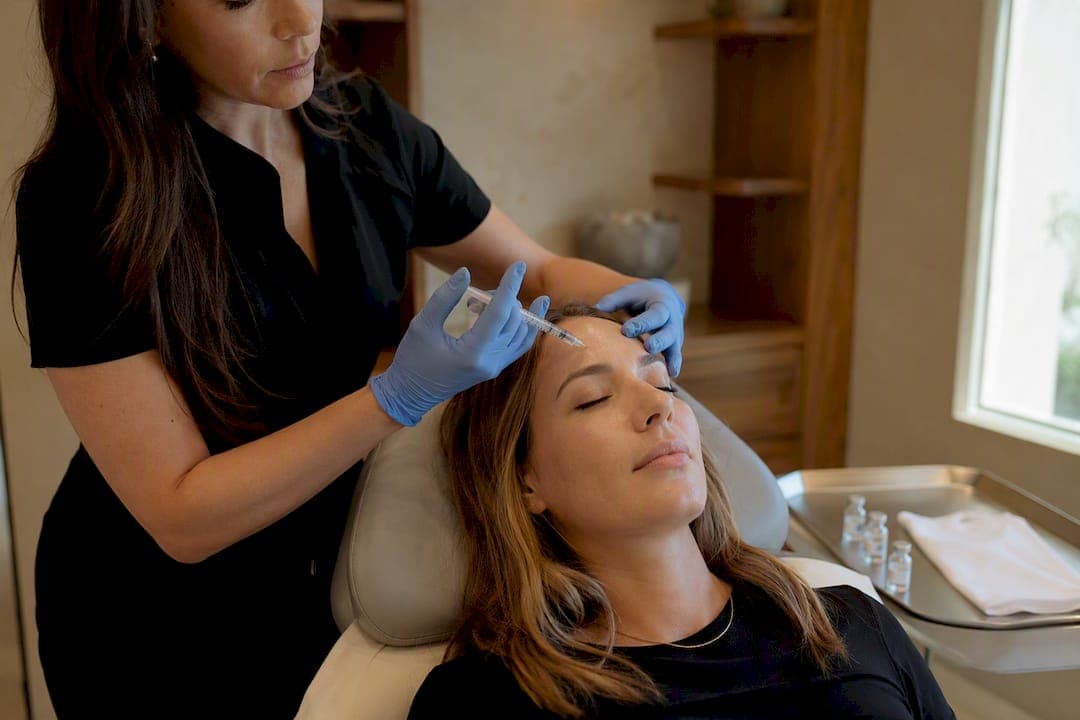
When a licensed, trained provider injects FDA-approved Botox correctly, it's a safe procedure. Most side effects are mild and disappear within days. In rare cases, the toxin spreads beyond the injection site and causes serious symptoms like breathing or swallowing trouble, generalized weakness, or vision changes. Those need emergency medical care right away.
TL;DR:
- Proper technique and licensed providers significantly reduce the risk of side effects like eyelid drooping and asymmetry, which are often temporary and manageable.
- Serious adverse effects such as breathing difficulty or muscle weakness are rare but require immediate emergency care if they occur, especially beyond two weeks post-treatment.
- Patients with neuromuscular conditions, pregnancy, or on blood thinners should consult their doctor before proceeding, as these factors increase the potential for complications.
- Ensuring product authenticity, medical oversight, and full disclosure of health history are the most effective steps in preventing serious and long-lasting side effects.
- Post-treatment, avoiding pressure, rubbing, alcohol, and strenuous activity for the first four to 24 hours helps minimize toxin migration and side effect risks.
Table of Contents
- What Are the Common Botox Side Effects?
- Can Botox Cause Serious Side Effects?
- Who Should Avoid Botox or Talk to a Doctor First?
- How Can You Prevent Botox Side Effects Before Treatment?
- What Should You Do in the First Hours and Days After Botox?
- What to Do If You Experience Botox Complications
- Do Botox's Effects or Risks Change Over Time?
- Why the Safety Conversation Gets Framed Wrong
- Book a Medically Supervised Botox Consultation
- Where to Verify Botox Safety Information
- Sources
- FAQ
What Are the Common Botox Side Effects?
If you've booked an appointment or you're still deciding, you're probably wondering what "normal" actually looks like after an injection. The honest answer: some redness, some tenderness, maybe a bruise you'll want to cover with makeup for a few days. That's the typical experience, not the exception.
According to Mayo Clinic, the most frequently reported reactions include:
- Pain, swelling, or redness at the injection site
- Bruising, which can last for several days to a couple of weeks
- Headache, sometimes described as a dull pressure behind the eyes
- Flu-like symptoms, including mild fatigue or low-grade chills
- Temporary drooping of the eyelid or eyebrow (ptosis)
Most of these show up within the first 24 to 48 hours and fade on their own within a week. Bruising can last longer, especially in thinner skin around the eyes, because small blood vessels there are more likely to get nicked by the needle.
Ptosis deserves its own mention because it's the side effect people worry about most, and for good reason. It happens when the toxin diffuses slightly beyond the intended muscle and relaxes the eyelid or brow lifter. This is less about bad luck and more about technique. Injectors who understand facial anatomy and inject at the correct depth and location reduce this risk substantially. It's also why the masseter Botox area, and other spots near dense muscle groups, call for a provider who treats these zones regularly.
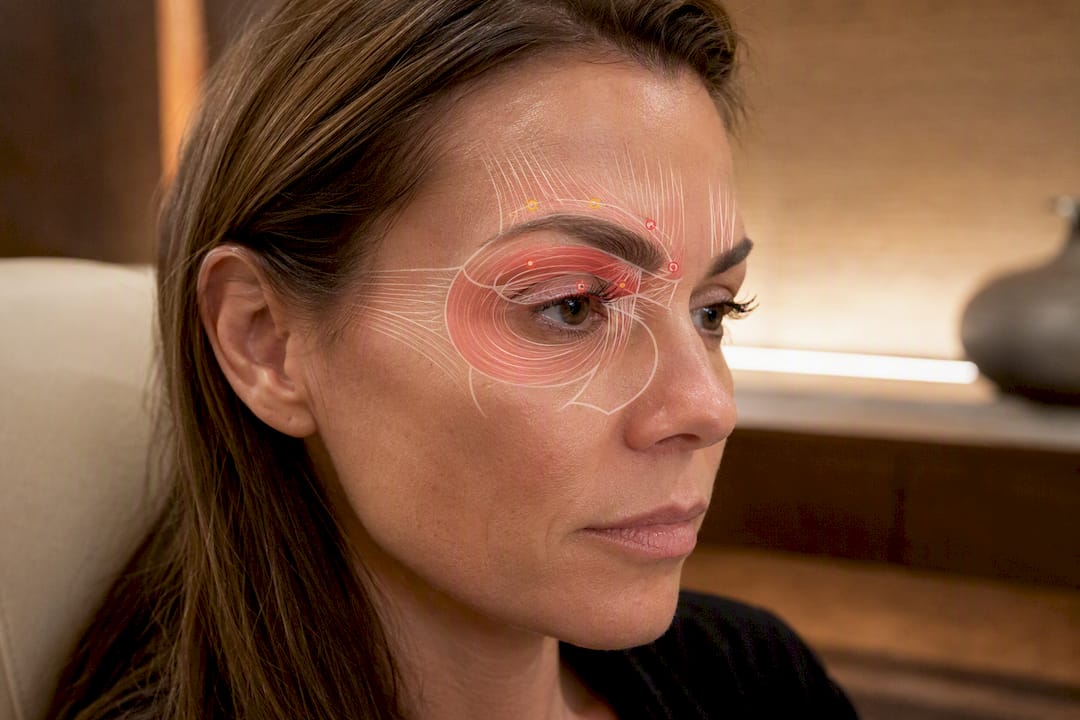
Asymmetry is the other common complaint, and it's often temporary. One side of the face may respond slightly faster than the other in the first week, which can look uneven before the full effect sets in around day 10 to 14.
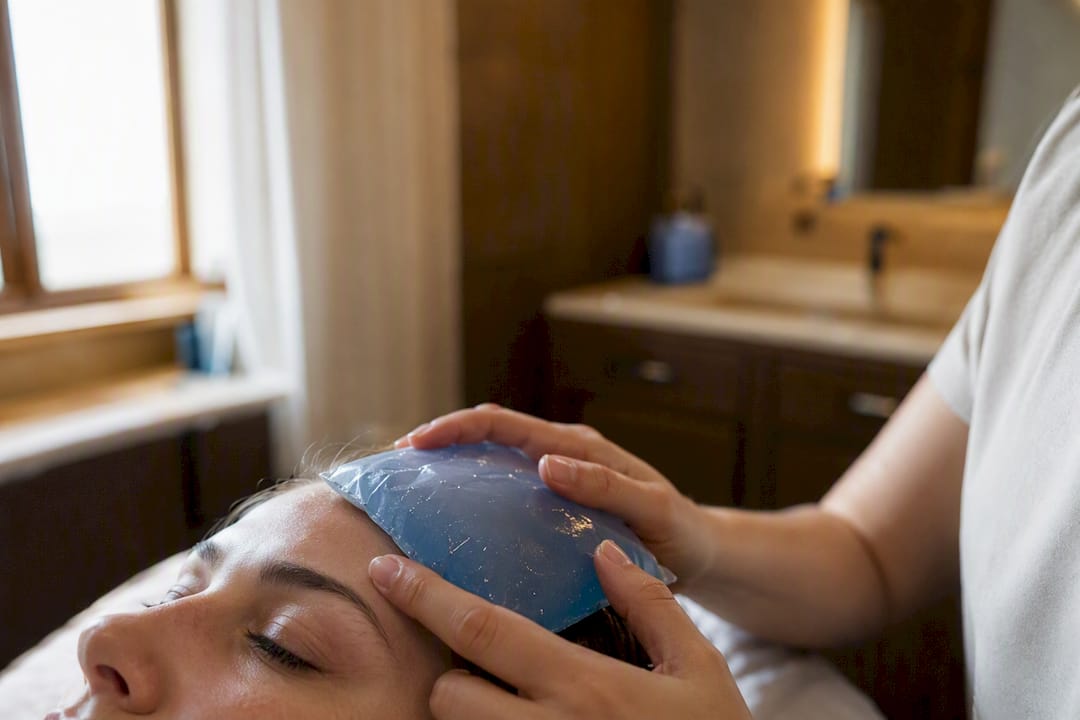
Managing these mild effects doesn't require much. Ice reduces swelling in the first few hours. Acetaminophen is generally the safer choice for pain relief, since aspirin and ibuprofen can thin the blood and worsen bruising, according to Cleveland Clinic. Avoiding alcohol for 24 hours before your appointment also lowers your bruising risk, since alcohol dilates blood vessels.
Pro Tip: If you bruise easily, ask your provider about arnica gel or bromelain supplements a few days before treatment. Neither eliminates bruising, but many patients report the marks fade faster.
Can Botox Cause Serious Side Effects?
Rare doesn't mean impossible, and this is the part of the conversation that deserves clear, unhedged language: Botox can, in uncommon cases, cause the toxin to spread beyond the treated muscle. When that happens, it mimics symptoms of botulism, the illness caused by the same bacterial toxin in a different context.
The warning signs to know:
- Difficulty breathing or swallowing
- Generalized muscle weakness, not localized to the treated area
- Blurred or double vision
- Drooping eyelids that extend beyond the treated zone
- Urinary retention or loss of bladder control
These symptoms don't always show up right away. The CDC notes that toxin spread can produce symptoms anywhere from hours to weeks after injection, which is part of why patients need to stay alert well past the appointment itself.
Case reviews describe dose-dependent adverse events like dysphagia and generalized muscle weakness as more likely with higher doses or injections into neck muscles, typically appearing within days and sometimes lasting weeks before resolving.
That pattern shows up clearly in the clinical literature on botulinum toxin, where injections into the platysma or other neck muscles carry a higher diffusion risk than injections into smaller, more superficial facial muscles like the frontalis or glabellar complex.
Here's the context that matters most: these serious outcomes are rare when a licensed provider uses an authentic, FDA-approved product at an appropriate cosmetic dose. The risk climbs sharply with counterfeit or unlabeled toxin and with injectors who lack proper training. The CDC has directly linked harmful reactions to exactly those two factors, which is why product sourcing and provider credentials aren't a footnote in this conversation. They're the main lever patients actually control.
Who Should Avoid Botox or Talk to a Doctor First?
Not everyone is a good candidate, and a responsible provider will ask about your medical history before your first injection, not after you've booked three follow-ups.
People with certain neuromuscular conditions face meaningfully higher risk. According to MedlinePlus, patients with myasthenia gravis, ALS (amyotrophic lateral sclerosis), or Lambert-Eaton myasthenic syndrome are more vulnerable to the toxin's effects spreading and causing systemic weakness, because their baseline neuromuscular function is already compromised.
Other factors that call for extra caution or a conversation with your provider before moving forward:
- Pregnancy or breastfeeding: most clinicians recommend avoiding Botox altogether unless a physician advises otherwise, since safety data in these groups is limited
- A history of swallowing or respiratory problems, which raises the stakes if any diffusion occurs
- Blood thinners or antiplatelet medications (like warfarin, aspirin, or clopidogrel), which increase bruising risk
- Certain antibiotics, particularly aminoglycosides, which can theoretically potentiate the toxin's effect
This is why a thorough intake process matters more than people expect. A good clinic doesn't just ask "any allergies?" and move on. It asks about every medication and supplement you take, because interactions aren't always obvious to the patient. If your history includes any of the conditions above, expect your provider to either proceed with extra caution, adjust the plan, or refer you to a specialist for clearance first. That referral isn't a red flag. It's what responsible screening looks like in practice.
How Can You Prevent Botox Side Effects Before Treatment?
Most of the serious risk in this entire conversation traces back to two decisions: who injects you, and what they inject. Get both right, and you've eliminated the majority of what could go wrong.
- Verify the provider's credentials. Confirm they're a licensed medical professional (physician, nurse practitioner, physician assistant, or registered nurse working under medical supervision) with documented training specifically in injectables, not just a general aesthetics certificate.
- Confirm the facility meets medical standards. A legitimate clinic operates under physician oversight, maintains sterile procedures, and can answer direct questions about who performs the injections.
- Ask where the product comes from. FDA-approved Botox purchased through an authorized distributor is traceable by lot number. If a provider can't or won't answer this, that's disqualifying.
- Disclose your full medical history and current medications, including supplements, before treatment. This isn't paperwork theater. It's the single biggest factor in avoiding drug interactions and complications.
- Stop alcohol 24 hours before your appointment to reduce bruising, and discuss any blood thinners or NSAIDs with your provider ahead of time rather than the day of.
Pricing is a legitimate red flag category, not just a budgeting concern. Botox priced dramatically below the market rate for your area often signals diluted product, an unlicensed injector, or a non-FDA-approved source. The CDC's guidance on staying safe is direct on this point: many of the harmful reactions on record trace back to counterfeit products or injections performed by people without proper licensing, not to licensed clinical practice done correctly. If you're comparing options, understanding realistic per-unit and per-session Botox costs helps you spot an offer that's too good to be true before you're in the chair.
Pro Tip: Ask to see the product box or vial before injection. A provider confident in their sourcing will show you without hesitation.
What Should You Do in the First Hours and Days After Botox?
The single most important rule after your injection is the four-hour rule: avoid rubbing, massaging, or applying pressure to the treated area for at least four hours. Doing so can cause the toxin to migrate into nearby muscles you didn't intend to treat, which is one of the more preventable causes of asymmetry and ptosis.
Beyond that first four-hour window, a few simple habits reduce your risk of side effects and support faster healing:
- Apply ice to the treated area if swelling develops, in short intervals rather than continuous pressure
- Skip strenuous exercise for 24 hours, since increased blood flow and heat can encourage diffusion
- Avoid alcohol both before and after treatment, as advised by your provider, to limit bruising
- Sleep with your head elevated the first night if you were treated in the upper face, which can reduce overnight swelling
- Stay upright and avoid lying face-down for several hours after injection
As for the timeline: bruising typically peaks in the first two to three days and fades within one to two weeks, as detailed in How Long Does Botox Last? | NexGen Clinic. Headaches, when they occur, usually resolve within 24 to 48 hours. Ptosis, if it happens, generally shows up within the first week and can take two to four weeks to fully resolve as the toxin's effect wears off in that unintended muscle. The treatment itself takes three to seven days to show visible results, with full effect around the two-week mark. Our detailed aftercare timeline walks through what to expect day by day if you want a more granular reference.
Call your provider if bruising seems unusually severe, if a headache persists past 48 hours, or if you notice asymmetry that doesn't seem to be resolving. Seek emergency care immediately for any breathing difficulty, trouble swallowing, or widespread muscle weakness. Those symptoms don't wait for a callback.
What to Do If You Experience Botox Complications
If you notice anything beyond the expected mild effects, especially breathing or swallowing difficulty, treat it as an emergency, not a wait-and-see situation.
- Call 911 immediately if you experience trouble breathing, difficulty swallowing, or sudden, widespread muscle weakness. These are not symptoms to manage at home.
- Document everything you can. Note the clinic name, the date and time of your injection, and the product name and lot number if you have that information available.
- Take photos of visible symptoms as they develop, which helps both emergency clinicians and your original provider assess what's happening.
- Report the adverse event through FDA MedWatch, which tracks reactions to medical products and helps identify patterns tied to specific batches or providers.
- Follow up with a specialist if symptoms persist beyond the expected recovery window, particularly for anything neurological.
Severe, suspected cases of toxin spread may require antitoxin consultation, which is typically coordinated through state health departments working alongside the CDC.
That coordination exists precisely because these cases are rare enough that most emergency rooms won't encounter one every year. Bringing documentation with you shortens the time it takes for clinicians to connect the dots.
Do Botox's Effects or Risks Change Over Time?
Long-term Botox use raises a different question than a single injection: does your body start responding differently after repeated treatments?
For a minority of patients, yes. Repeated, high-dose injections can trigger the formation of neutralizing antibodies, a phenomenon known as immunoresistance, where the body starts treating the toxin as a threat and reduces its effectiveness over subsequent treatments. The research on this is clear that cosmetic dosing, which is far lower than therapeutic dosing used for conditions like cervical dystonia, is less commonly associated with clinically meaningful resistance. Still, it happens.

Documented long-term neurologic events remain rare in the literature, and most reported cases showed recovery over weeks to months with appropriate management. If resistance develops, providers sometimes switch to a different toxin formulation or refer patients to a neurologist for evaluation. One honest gap in the research: long-term monitoring data across large patient populations receiving repeated cosmetic treatment over many years is still limited, which is worth knowing if you're planning years of maintenance treatments.
Why the Safety Conversation Gets Framed Wrong
Most Botox safety content either scares people unnecessarily or glosses over real risk to close a sale. Neither approach serves the person actually deciding whether to book. The honest framing is this: the treatment's risk profile depends almost entirely on two variables you can control, provider licensing and product authenticity, and almost not at all on the toxin itself.
That's a different conversation than most people expect walking in. They ask "is Botox safe?" when the more useful question is "is this specific provider, with this specific product, safe?" The clinical literature backs this distinction. Serious adverse events cluster overwhelmingly around counterfeit product and unlicensed injectors, not around properly sourced treatment administered by trained medical professionals. If you take one thing from the research, take that: due diligence before your appointment does more for your safety than any aftercare step you'll take afterward.
— Sharon
Book a Medically Supervised Botox Consultation
Elite Laser Center Medical Spa treats Botox the way the research above suggests it should be treated: as a medical procedure that deserves medical oversight, not a quick add-on. Every treatment uses FDA-approved products and is performed under experienced medical supervision, so the screening, dosing, and technique decisions that actually prevent complications happen the way they're supposed to.

Beyond Botox, the clinic's broader menu of non-surgical skin treatments reflects the same philosophy: personalized plans, real credentials behind every injector, and a welcoming space that doesn't feel clinical in the cold sense of the word. If you're weighing a first treatment or you've had a rough experience elsewhere and want a provider who takes your medical history seriously, schedule a consultation with Elite Laser Center to talk through your options before anything gets injected.
Where to Verify Botox Safety Information
For deeper reading beyond this guide, Mayo Clinic covers general treatment expectations, the CDC details product safety and provider verification, MedlinePlus offers drug-specific side effect data, and the PMC clinical review breaks down dose-dependent risks and antibody formation in more technical detail.
This article is general information, not a substitute for advice from a qualified doctor. Consult a qualified healthcare professional about your own circumstances before acting on anything here.
Sources
- Botox injections (Mayo Clinic)
- How to stay safe when getting botulinum toxin injections (CDC)
- The whole truth about botulinum toxin – a review (PMC)
- OnabotulinumtoxinA injection: MedlinePlus drug information
- Botox (Botulinum Toxin): What It Is, Results & Side Effects (Cleveland Clinic)
FAQ
Can Botox cause long-term neurological side effects?
Long-term neurologic events are rare in the clinical literature, and documented cases typically showed recovery over weeks to months with proper management. Risk rises with higher doses, neck-area injections, or use of counterfeit product rather than with standard cosmetic dosing at a licensed clinic.
What is the 4-hour rule for Botox?
The 4-hour rule means avoiding rubbing, massaging, or applying pressure to the treated area for at least four hours after injection. This prevents the toxin from migrating into nearby muscles and reduces the risk of asymmetry or unintended eyelid droop.
What are the long-term effects of Botox injections?
For most patients, effects are limited to the intended muscle relaxation, which wears off within three to four months. A minority of patients who receive repeated, high-dose treatments can develop neutralizing antibodies that reduce the toxin's effectiveness over time.
What are the benefits of Botox injections in the face?
Botox smooths dynamic wrinkles like crow's feet and forehead lines by relaxing the underlying muscles, and it's also used for jaw slimming and TMD relief through masseter treatment. Results typically appear within three to seven days and last three to four months.
Is Botox safe if I'm on blood thinners?
Blood thinners and antiplatelet medications increase bruising risk but don't automatically rule out treatment. Always disclose these medications to your provider beforehand so they can adjust technique or advise on timing.