

Skin brightening treatment is defined as a process that improves skin clarity, reduces excess pigmentation, and restores natural radiance without altering your baseline skin color. The goal is healthier, more even skin, not a lighter complexion. This guide covers what skin brightening treatment actually does, which ingredients work, how professional procedures compare to at-home options, and how to stay safe throughout the process. Whether you are new to skincare or looking to go deeper, you will find clear answers here.
What is skin brightening treatment and how does it work?
Skin brightening treatment targets excess melanin, the pigment responsible for dark spots, uneven tone, and post-inflammatory discoloration. It works by slowing the activity of tyrosinase, the enzyme that triggers melanin production, while accelerating healthy cell turnover. The result is a more even, luminous complexion that reflects your natural skin tone at its best.
The key distinction that most people miss is the difference between brightening and whitening. Brightening focuses on health, hydration, and clarity. Whitening, by contrast, uses aggressive agents designed to suppress pigmentation well below its natural level, often damaging the skin barrier in the process. Brightening does not change who you are. It removes the dullness caused by sun damage, pollution, and inflammation.
Treatments fall into two broad categories: topical and professional. Topical treatments use active ingredients applied daily at home. Professional treatments, performed in a clinical setting, work at a deeper level and typically deliver faster, more dramatic results. Most effective protocols combine both.
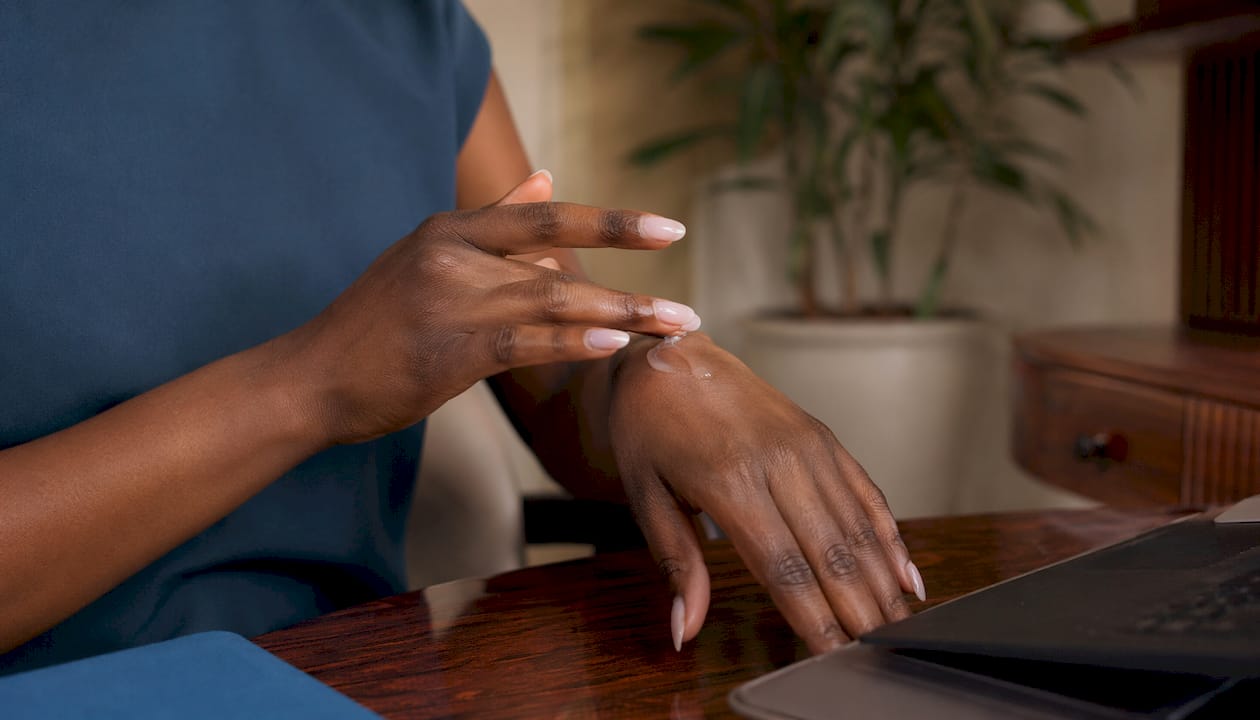
Popular skin brightening methods and how they work
Topical treatments
Topical therapy is the first-line treatment for hyperpigmentation, with visible results possible in as little as 7 days of consistent use. The most effective topical ingredients include:
- Vitamin C: Neutralizes free radicals, inhibits tyrosinase, and promotes collagen synthesis. It is the most widely studied brightening ingredient available.
- Niacinamide: Reduces the transfer of melanin to skin cells and strengthens the skin barrier. The American Academy of Dermatology recommends it for discoloration-prone skin.
- Alpha arbutin: A gentler melanin modulator derived from plants. It slows pigment production without the irritation associated with stronger agents.
- Alpha hydroxy acids (AHAs): Glycolic and lactic acids accelerate cell turnover, shedding pigmented surface cells and revealing fresher skin beneath.
- Retinoids: Speed up cell renewal and improve the skin's response to other active ingredients when used consistently.
Professional procedures
Professional treatments include chemical peels, microdermabrasion, and laser therapies, often introduced after a skin priming phase with topical agents. Sessions typically last 30–60 minutes. A consultation assesses pigment type, skin tone, and treatment depth before any procedure begins.
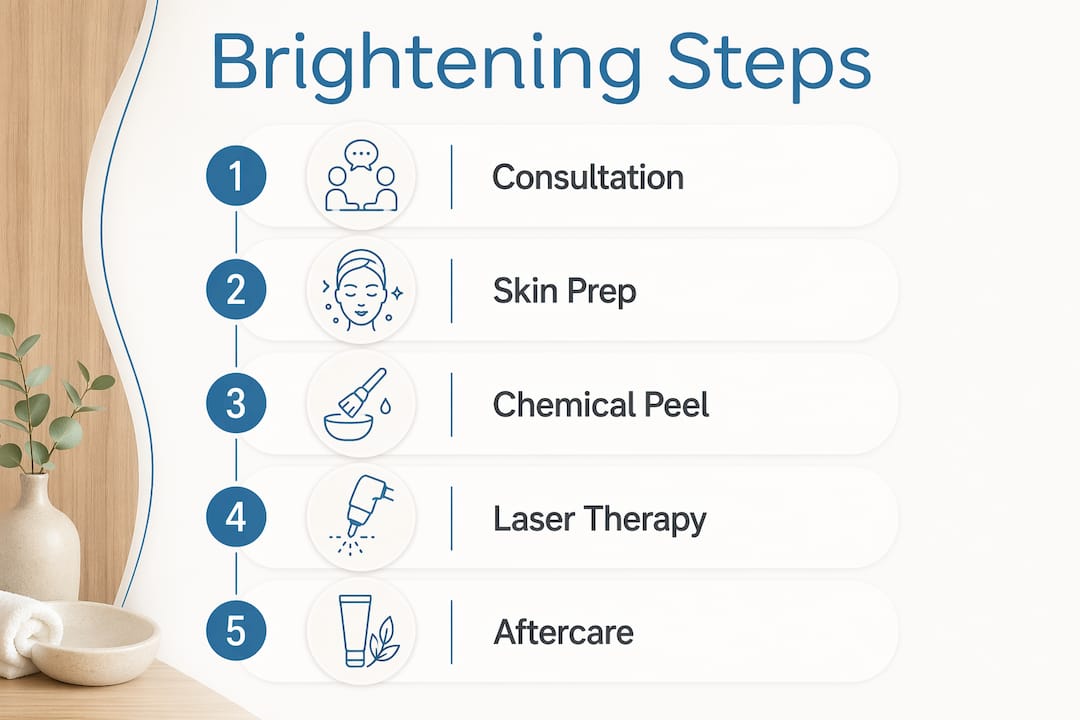
Chemical peels use acids at higher concentrations than over-the-counter products to remove damaged outer layers. Laser therapies target melanin deposits directly with focused light energy. Microdermabrasion physically resurfaces the skin using fine crystals or a diamond tip. Each method suits different skin concerns and tones, which is why a professional assessment matters before you commit to any single approach.
Pro Tip: Layer your topical ingredients in the correct order. Apply water-based serums like vitamin C and niacinamide before heavier moisturizers. Retinoids go on at night, not alongside vitamin C, to avoid irritation and reduced efficacy.
What ingredients are in skin brightening products?
Vitamin C and its derivatives
Vitamin C is recognized as safe by the FDA when properly formulated and is considered the gold standard in brightening skincare. It works as an antioxidant, blocking oxidative damage from UV exposure while directly inhibiting melanin synthesis. The challenge is stability. Pure ascorbic acid degrades quickly when exposed to light and air.
Stabilized derivatives like tetrahexyldecyl ascorbate penetrate more effectively and resist oxidation. Unstable antioxidant serums can cause pro-oxidation effects, paradoxically worsening pigmentation in some cases. That finding matters because it means the formulation quality of a vitamin C product is just as important as the concentration on the label.
Niacinamide and alpha arbutin
Niacinamide helps regulate pigment transfer and supports the skin barrier, making it one of the most versatile brightening ingredients available. It pairs well with most other actives and rarely causes irritation, which makes it suitable for sensitive skin types. Alpha arbutin works differently by blocking tyrosinase activity at a lower risk level than hydroquinone, the older standard that carries more controversy.
The industry has also shifted toward antioxidant-based agents like licorice root extract, which support pigmentation management while preserving melanin's natural protective function. That matters most for people with deeper skin tones, where melanin plays a stronger role in UV defense.
Pro Tip: Avoid stacking three or more active serums at once. More actives do not mean faster results. They increase the risk of irritation and can destabilize each other. Pick two core ingredients and use them consistently for at least 8 weeks before evaluating.
Is skin brightening treatment safe?
Skin brightening treatments are safe and effective for all skin tones when administered properly, with a focus on barrier support and avoiding harmful agents. The risks come from the wrong products, not from brightening itself.
The biggest safety concern is the use of unregulated whitening products that contain mercury, steroids, or lead. Aggressive whitening treatments risk long-term damage including skin barrier weakening and post-inflammatory hyperpigmentation (PIH). PIH is a darkening response triggered by inflammation, and it is especially common in medium to deep skin tones after aggressive procedures.
Professional protocols address this directly. A 2–4 week skin priming phase with topical brightening agents before laser or chemical peel procedures reduces inflammation and lowers PIH risk significantly. Skipping this step is one of the most common mistakes people make when pursuing professional treatments.
"Simple, gentle, consistent skincare with sunscreen is the safest path to brighter skin. Brightening treatments do not bleach the skin. They restore natural radiance by removing dullness caused by external factors like UV exposure and pollution." — Dr. Antionetta Ashwini J and Dr. Olivia Jose, as cited in dermatology literature
Safe brightening practices include:
- Using products with clinically tested ingredients like vitamin C, niacinamide, and alpha arbutin
- Avoiding any product that promises dramatic whitening without listing its full ingredient deck
- Checking for third-party testing or FDA-recognized formulation standards
- Consulting a licensed professional before starting laser or peel treatments
- Wearing broad-spectrum SPF 30 or higher every single day
How to maintain results from skin brightening treatments
Maintaining brighter skin requires a consistent daily routine, not a single treatment. Results fade without ongoing care, especially if sun exposure goes unmanaged.
- Apply broad-spectrum sunscreen daily. UV exposure stimulates tyrosinase, raising melanin production and directly counteracting brightening effects. SPF is not optional. It is the single most important step in any brightening routine.
- Use your topical actives consistently. Vitamin C in the morning and a retinoid at night form the backbone of most effective at-home routines. Consistency over weeks matters more than intensity on any single day.
- Support your skin from the inside. Adequate sleep, hydration, and a diet rich in antioxidants from foods like berries, leafy greens, and citrus all contribute to skin clarity. Chronic stress elevates cortisol, which can worsen inflammation and trigger new pigmentation.
- Schedule professional maintenance treatments. A HydraFacial or chemical peel every 4–6 weeks removes surface buildup, boosts ingredient absorption, and keeps results visible between deeper treatments.
- Reassess your routine every 8–12 weeks. Skin changes with seasons, age, and hormonal shifts. What works in winter may need adjustment in summer. A professional consultation helps you adapt without guessing.
- Protect results with a barrier-supportive moisturizer. Ceramides and hyaluronic acid keep the skin barrier intact, which is critical for preventing the inflammation that leads to new dark spots.
Key Takeaways
Skin brightening treatment works by targeting excess melanin and supporting healthy cell turnover, not by changing your natural skin color.
| Point | Details |
|---|---|
| Brightening vs. whitening | Brightening restores natural radiance; whitening uses agents that can damage the skin barrier. |
| First-line ingredients | Vitamin C, niacinamide, and alpha arbutin are clinically supported and safe for most skin types. |
| Professional priming matters | A 2–4 week topical priming phase before peels or laser reduces PIH risk significantly. |
| Sunscreen is non-negotiable | UV exposure triggers tyrosinase and reverses brightening results without daily SPF protection. |
| Consistency beats intensity | Visible improvement requires weeks of regular use, not a single aggressive treatment session. |
What I have learned from years of watching brightening treatments work and fail
The most common mistake I see is people chasing speed. They skip the priming phase, stack five actives at once, and then wonder why their skin looks worse after a peel. Brightening is not a sprint. The skin needs time to adapt, and the treatments that last are always the ones built on a consistent foundation.
What I find genuinely underappreciated is the role of the skin barrier. People focus entirely on the active ingredient and ignore the moisturizer. A compromised barrier makes every active ingredient more irritating and less effective. The clients who get the best results from professional treatments are almost always the ones who came in with a healthy, well-hydrated baseline.
The other thing I want to say plainly: avoid any product that promises dramatic skin lightening without a clear ingredient list. That category of products is where real harm happens. Brightening done right is one of the most confidence-building treatments available. It works with your skin, not against it. The goal is always your healthiest complexion, not someone else's.
— Sharon
Professional skin brightening services at Elitelaserhair
Elitelaserhair's medical spa in Stony Brook, NY offers a full range of facials and chemical peels designed to target pigmentation, restore radiance, and support long-term skin health. Every treatment plan starts with a professional assessment of your skin tone, pigment type, and goals.

The team at Elitelaserhair uses FDA-approved technology and medical-grade products, including brightening skincare formulas available for home use between sessions. Whether you are addressing sun damage, post-inflammatory marks, or general dullness, the approach is always personalized. Book a consultation to get a plan built specifically for your skin.
FAQ
What is the difference between skin brightening and skin whitening?
Skin brightening targets excess melanin to restore natural radiance and even tone without altering baseline skin color. Skin whitening uses aggressive agents that suppress pigmentation below its natural level, often at the cost of skin barrier health.
How long does it take to see results from brightening treatments?
Visible results can begin in as little as 7 days with consistent topical use, though meaningful improvement in hyperpigmentation typically requires 8–12 weeks of regular treatment.
Is skin brightening safe for darker skin tones?
Yes, skin brightening is safe for all skin tones when performed with the right ingredients and protocols. Darker skin tones benefit most from a priming phase before professional procedures to reduce the risk of post-inflammatory hyperpigmentation.
What ingredients should I avoid in brightening products?
Avoid products containing mercury, high-dose steroids, or lead, which are found in some unregulated whitening formulas. These substances risk long-term skin damage and are not part of any legitimate brightening protocol.
Does sunscreen really affect brightening treatment results?
Sunscreen is the most critical maintenance step in any brightening routine. UV exposure activates tyrosinase and triggers new melanin production, directly reversing the results of both topical and professional brightening treatments.