
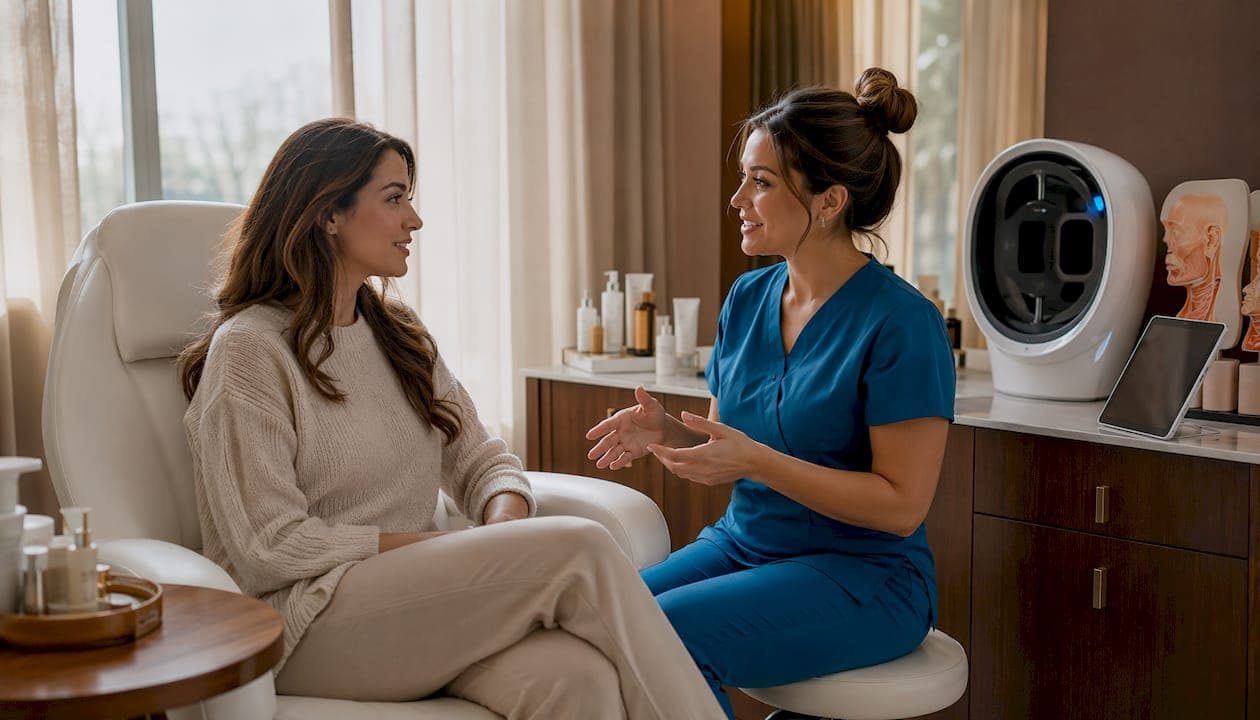
What is medical spa skincare?
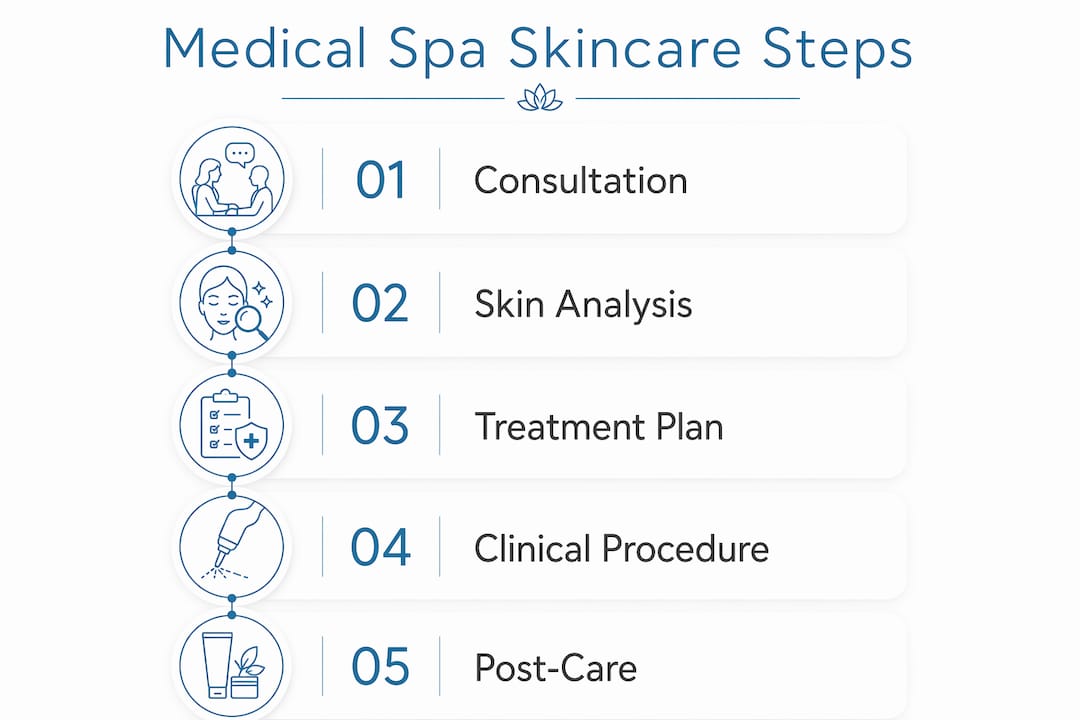
Medical spa skincare combines the relaxed atmosphere of a day spa with the clinical precision of licensed healthcare professionals delivering non-surgical aesthetic treatments. A medical spa is legally defined as a medical practice operating under the full-time supervision of a licensed physician or independent practitioner, where services are performed by skilled healthcare professionals on living tissue, not just the skin's surface. That last part is the key distinction: these treatments go deeper than anything a traditional spa can legally offer.
What you get at a medical spa is access to prescription-strength active ingredients, FDA-approved energy devices, and injectables that require a medical license to administer. The environment feels like a spa. The clinical rigor behind it is closer to a doctor's office.
- Medical oversight: A licensed physician, nurse practitioner, or physician assistant supervises all treatments
- Depth of treatment: Procedures affect living tissue beneath the skin's surface, not just the outer layer
- Medical-grade products: Higher concentrations of active ingredients than over-the-counter options, often from professional brands like SkinCeuticals, Obagi Medical, and iS Clinical
- FDA-approved technology: Energy-based devices and lasers cleared for specific clinical indications
- Personalized protocols: Treatment plans built from comprehensive skin assessments, not generic menus
Table of Contents
- Common medical spa skin treatments and services
- How medical spas differ from traditional day spas
- Benefits of medical spa treatments and why demand keeps growing
- Costs and what to expect during your first medical spa visit
- Is a medical spa right for you? How to choose one you can trust
- Why medical supervision and advanced technology set the standard
- Elitelaserhair: medical spa skincare in Suffolk County, NY
- Key Takeaways
Common medical spa skin treatments and services
The range of services at a full-service medical spa is wider than most people expect. Popular treatments include neuromodulators like Botox and Dysport, injectable dermal fillers, laser resurfacing, microneedling, chemical peels, and body contouring. Each of these qualifies as a medical treatment because it affects tissue below the skin's surface.
- Neuromodulators (Botox, Dysport, Xeomin): Relax targeted facial muscles to soften dynamic wrinkles like crow's feet and frown lines
- Dermal fillers: Restore volume to cheeks, lips, and under-eye hollows using hyaluronic acid or other biocompatible materials; administered under medical supervision
- Laser resurfacing and hair removal: FDA-approved lasers address pigmentation, texture, scarring, and unwanted hair with precision that cosmetic-grade devices cannot match
- Microneedling and RF microneedling: Controlled micro-injuries stimulate collagen production; RF microneedling adds radiofrequency energy to tighten deeper tissue layers
- Chemical peels: Medical-strength formulations using trichloroacetic acid (TCA) or other prescription-grade acids resurface skin more aggressively than retail peels
- Body contouring (CoolSculpting): Non-surgical fat reduction using controlled cooling, requiring medical clearance and supervision
- HydraFacials and medical-grade facials: Combine deep cleansing, exfoliation, and infusion of medical-grade serums in a single session
One important note on terminology: "medical-grade skincare" is largely a marketing term with no regulatory definition from the FDA. What actually matters is whether the formulation has clinical evidence behind it and whether a physician has tailored it to your specific skin concerns.
Pro Tip: Ask your provider which clinical studies support the products in your treatment plan. A reputable medical spa can answer that question without hesitation.
How medical spas differ from traditional day spas
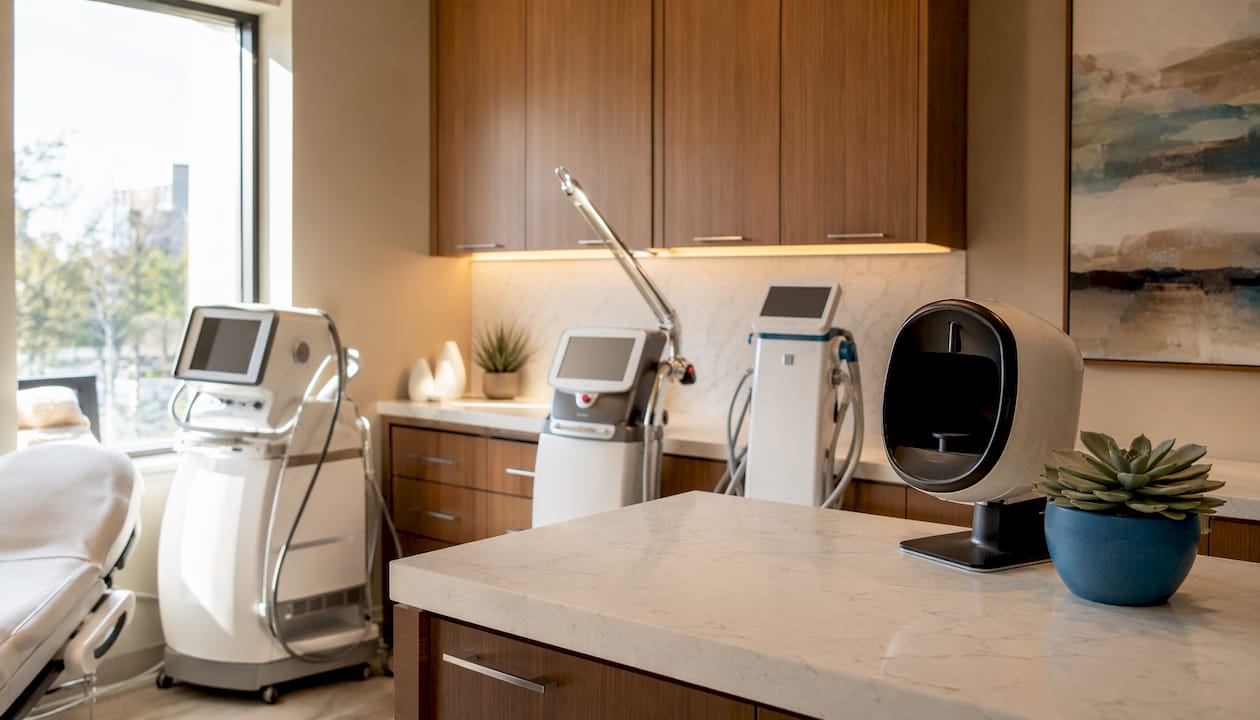
The gap between a medical spa and a traditional day spa is not just about the menu of services. It is a structural difference in oversight, technology, and legal standing.
- Oversight: Day spas are staffed by estheticians and wellness professionals. Medical spas employ physicians, nurse practitioners, physician assistants, and registered nurses under physician supervision
- Treatment depth: Day spas treat only the outer skin layer; medical spas legally perform procedures affecting deeper tissue
- Technology: Medical spas use FDA-approved medical devices. Day spas use cosmetic-grade equipment with far less clinical power
- Regulatory status: Many states require a licensed physician to own or hold majority ownership in a medical spa. Day spas face far fewer ownership restrictions
- Treatment goals: Day spas focus on relaxation and temporary hydration. Medical spas target corrective, measurable, and longer-lasting results
Think of it this way: a day spa is a retail wellness business, closer in structure to a hair salon. A medical spa is a medical practice that happens to feel like a spa.
Benefits of medical spa treatments and why demand keeps growing
The appeal of medical spa skincare comes down to one thing: results that over-the-counter products and traditional spa services cannot deliver. Medical spas provide superior outcomes because treatments use higher-concentration active ingredients and professionally tailored protocols unavailable without a prescription.
- Anti-aging results: Neuromodulators and fillers produce visible changes within days; laser resurfacing and microneedling build collagen over weeks and months
- Targeted skin condition improvement: Hyperpigmentation, acne scarring, rosacea, and laxity all respond to clinical-grade treatments that retail products cannot reach
- Minimal downtime: Most medical spa procedures are non-surgical and minimally invasive, meaning patients return to normal activity quickly
- Improved confidence: Visible skin improvement has a well-documented effect on self-perception, and medical-grade protocols make those improvements more predictable
- Medical safety net: Having a licensed provider assess your skin before treatment catches contraindications that a spa esthetician is not trained to identify
- Ongoing skin health: Membership programs and skincare club options make consistent medical-grade care accessible and budget-friendly
Demand for non-surgical cosmetic treatments has grown steadily over the past two decades, driven by patients who want real results without surgery or extended recovery time.
Costs and what to expect during your first medical spa visit
Pricing at a medical spa varies considerably based on treatment complexity, the technology involved, and the credentials of the provider. Botox is typically priced per unit, while laser treatments and body contouring are priced per session or treatment area. A single session for an advanced treatment like laser resurfacing or CoolSculpting costs more than a facial, reflecting the equipment and clinical expertise required.
- Initial consultation: Most states require a face-to-face meeting with a physician, nurse practitioner, or physician assistant before any treatment begins
- Skin assessment: Quality medical spas use computerized imaging to analyze skin health at high resolution, guiding the treatment plan
- Treatment prescription: The provider prescribes a course of treatment, which may include in-office procedures and at-home medical-grade products
- Follow-up visits: A reputable facility schedules follow-up assessments to track how your skin responds and adjust the plan accordingly
- Financing and memberships: Monthly membership programs spread costs across recurring treatments, making medical-grade care more accessible for patients who need regular sessions
- Factors affecting price: Provider credentials, geographic location, product brands used, and number of sessions all influence the final cost
The consultation is not a formality. It is where a qualified provider determines whether you are a good candidate for a given treatment and rules out contraindications. Skipping or rushing that step is a red flag.
Is a medical spa right for you? How to choose one you can trust
Not every facility calling itself a medical spa operates to the same standard. Choosing well comes down to verifying a few non-negotiable criteria before you book anything.
- Physician oversight: Confirm that a licensed physician is actively involved in supervising treatments, not just listed on paper as the medical director
- Board certification: Seek facilities supervised by board-certified plastic surgeons or dermatologists; their anatomical training directly improves safety and outcome quality
- State licensing: Verify the facility holds the required state medical spa license and that individual providers are licensed in their respective disciplines
- FDA-approved technology: Ask specifically which devices are used and whether they carry FDA clearance for the indicated treatment
- Consultation quality: A thorough, unhurried consultation with a prescribing provider is the clearest sign of a compliant, patient-focused practice
- Patient testimonials and guarantees: Real patient reviews and documented outcome guarantees signal that a facility stands behind its results
- Retail products: According to the 2024 Medical Spa State of the Industry Report, 86% of medical spas offer retail skincare products, so a curated retail area with clinically backed brands is a reasonable baseline expectation
The quality of a medical spa often hinges on the expertise of the supervising physician. Board-certified plastic surgeons bring training in both surgical and non-surgical procedures, giving them a depth of anatomical knowledge that directly improves the safety and precision of every aesthetic treatment performed under their supervision. — American Society of Plastic Surgeons
You can verify a physician's board certification through the American Board of Medical Specialties or the American Board of Plastic Surgery. State medical boards publish license status publicly, and most are searchable online in minutes.
Why medical supervision and advanced technology set the standard

The clinical backbone of a medical spa is what separates a genuinely effective treatment from an expensive facial. Supervising physicians bring anatomical knowledge that directly affects how safely and precisely a treatment is delivered, whether that is placing a filler at the correct tissue plane or calibrating a laser to the right depth for a patient's skin type.
Advanced diagnostics reinforce that precision. Computerized skin imaging captures high-resolution data on pigmentation, texture, pore size, and subsurface concerns, giving providers an objective baseline to measure results against over time. That data-driven approach is what makes a treatment plan genuinely personalized rather than just customized in name.
FDA clearance for devices matters for a specific reason: it means the technology has been evaluated for safety and effectiveness for a defined clinical use. A facility using cleared devices and clinically backed products is operating within a framework of accountability that cosmetic-only establishments are not required to meet. For patients exploring personal care treatments and trying to distinguish marketing from medicine, that regulatory layer is a meaningful filter.
Pro Tip: Before your first appointment, search your state's medical board website to confirm your provider's license is active and in good standing. It takes two minutes and tells you a great deal.
Elitelaserhair: medical spa skincare in Suffolk County, NY
Elitelaserhair is Elite Laser Center Medical Spa, located in Stony Brook, NY, and recognized as the top CoolSculpting facility in New York. Every treatment is performed under experienced medical supervision using FDA-approved technology, with personalized plans built around each patient's specific goals.
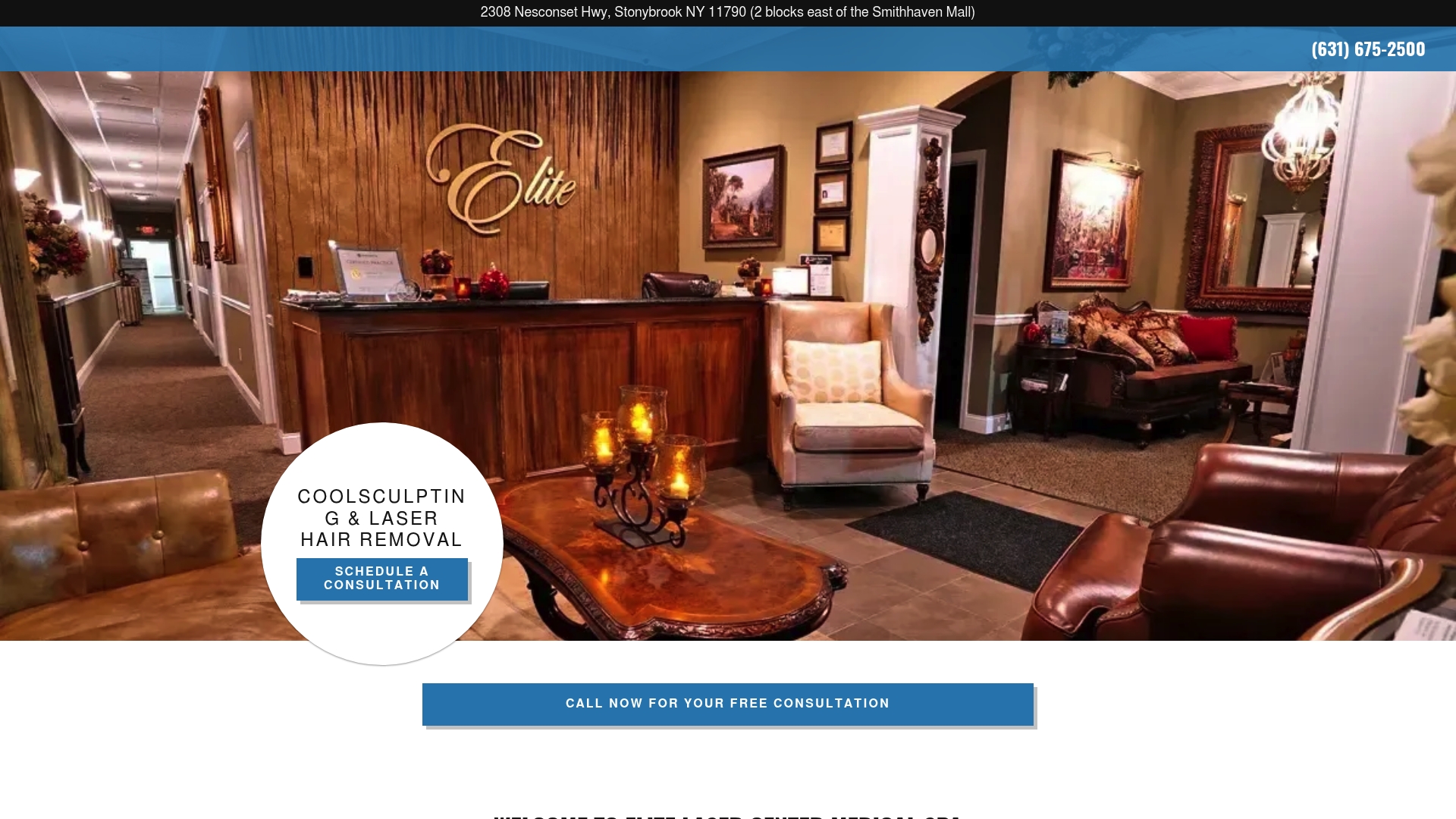
The center offers laser hair removal backed by a three-year guarantee, CoolSculpting for non-surgical body contouring, injectables, skin tightening, HydraFacials, and medical-grade peels.
What sets Elitelaserhair apart from a generic medical spa is the combination of clinical rigor and a genuinely welcoming environment. Patients in Suffolk County get access to the same level of care and technology found at top-tier facilities, without traveling into Manhattan. To see the full range of available treatments or to schedule a consultation, visit Elite Laser Center.
Key Takeaways
Medical spa skincare delivers clinically supervised, non-surgical aesthetic treatments that reach deeper tissue layers, using FDA-approved technology and prescription-strength products unavailable at traditional spas.
| Point | Details |
|---|---|
| Medical oversight is required | A licensed physician or independent practitioner must supervise all medical spa treatments by law. |
| Treatments go deeper | Medical spas legally treat tissue beneath the skin's surface; day spas address only the outer layer. |
| "Medical-grade" is a marketing term | Efficacy depends on clinical evidence and physician-tailored protocols, not the label itself. |
| 86% of medical spas offer retail skincare | Per the 2024 Medical Spa State of the Industry Report, a curated retail area is a baseline expectation. |
| Elitelaserhair in Stony Brook, NY | Recognized as New York's top CoolSculpting facility, with FDA-approved treatments under full medical supervision. |
Recommended
- Elite Laser Center - Hydrafacials, Med Spa, VIPeels, Hydrafacials
- Elite Laser Hair Removal & Med Spa in Stony Brook, NY | CoolSculpting & Skin Care
- Elite Laser Hair Removal & Med Spa in Stony Brook, NY | CoolSculpting & Skin Care
- Elite Laser Center | Minimum Invasive Treatment To Rejuvenate The Skin