

Medical spa skin treatments are medically supervised, science-based procedures designed to improve skin health, texture, and appearance beyond what standard skincare products can achieve. The field now spans one-time and multi-session programs, from a single Botox appointment to a six-session laser resurfacing series. The most common categories are injectables, laser and light therapies, chemical peels, and microneedling. Each works through a different biological mechanism, which is why a professional skin assessment before any treatment is not optional. It is the foundation of safe, effective results.
1. Types of medical spa skin treatments: an overview
Medical spa procedures sit between a traditional day spa and a surgical clinic. A licensed medical professional oversees every treatment, which is what separates these services from over-the-counter options. Treatment plans integrate aesthetic procedures with wellness factors like skin type, hormonal health, and lifestyle, producing results that are both visible and lasting. Knowing which category of treatment fits your skin concern is the first step toward choosing wisely.
2. Injectables: neurotoxins and dermal fillers
Injectables are the most requested medical spa service option in the United States. Botox alone accounts for over 9 million treatments worldwide in 2024, making it the single most performed non-surgical aesthetic procedure. Dermal fillers command a $3.3 billion global market. That scale reflects how consistently these treatments deliver visible results with minimal recovery time.
Neurotoxin injectables like Botox and Dysport work by temporarily relaxing the muscles that cause expression lines. Results appear within 3–7 days and typically last 3–4 months. They are best suited for forehead lines, crow's feet, and frown lines between the brows.
Dermal fillers restore lost volume and define facial contours. Hyaluronic acid fillers are the most common type, used for lips, cheeks, and nasolabial folds. Results are immediate and can last 6–18 months depending on the product and placement area.
Key considerations before booking injectable treatments:
- Choose a provider with documented training in facial anatomy
- Disclose all medications, especially blood thinners, before treatment
- Avoid alcohol and anti-inflammatory drugs for 24 hours before your appointment
- Plan for mild swelling or bruising lasting 2–5 days
Pro Tip: If your goal is both wrinkle reduction and volume restoration, combining a neurotoxin with a filler in the same session is common practice and often more cost-effective than two separate visits.
3. Laser and light-based skin treatments
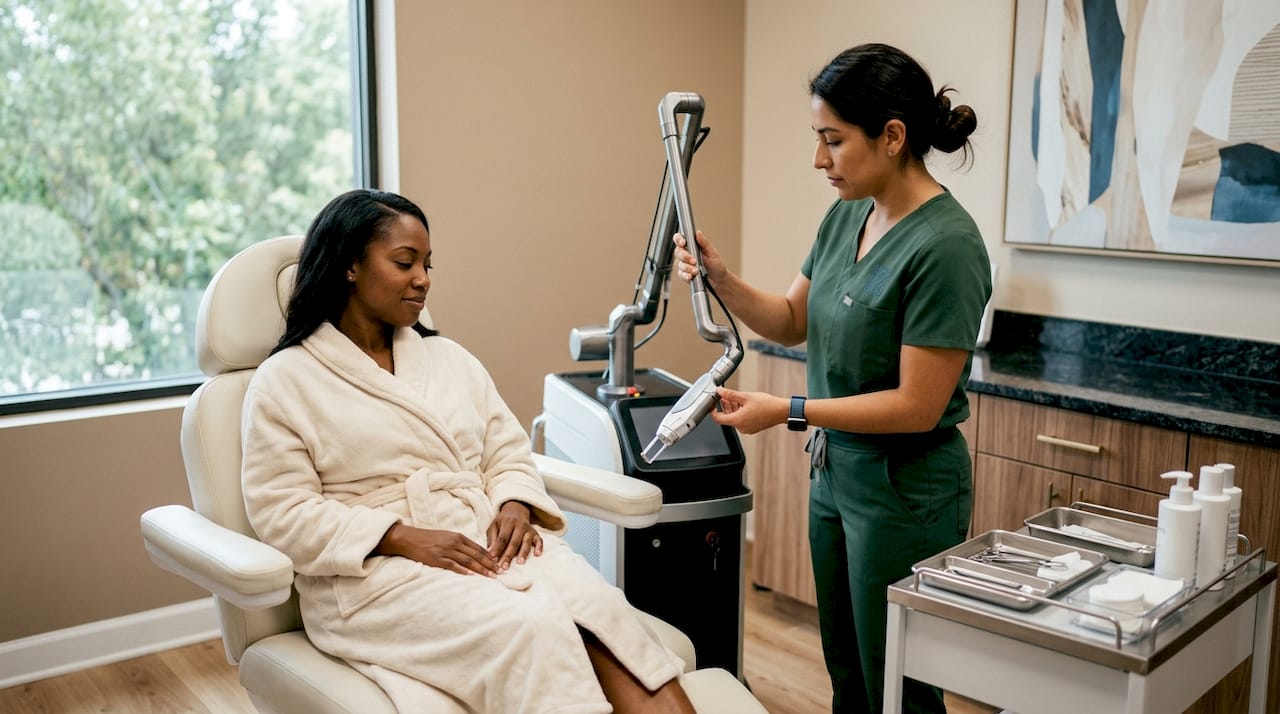
Laser and light therapies address a wider range of skin concerns than any other single treatment category. Laser hair removal, IPL photofacial, and fractional laser resurfacing each target different skin structures, which is why session counts and downtime vary significantly between them. Understanding those differences helps you set realistic expectations before committing to a plan.
Laser hair removal uses concentrated light to destroy hair follicles at the root. It works best on darker hair against lighter skin, though modern devices treat a broader range of skin tones. Most people need 6–8 sessions spaced 4–6 weeks apart for lasting reduction. Elitelaserhair backs its laser hair removal packages with a three-year guarantee, which is a meaningful commitment in an industry where results vary widely.
IPL photofacials use broad-spectrum light to reduce sun spots, redness, and uneven pigmentation. They require no downtime for most people, making them a popular choice for active schedules.
Fractional laser resurfacing creates thousands of microscopic treatment zones in the skin, triggering deep collagen remodeling. It is the most effective non-surgical option for acne scars, deep wrinkles, and significant texture issues. Downtime runs 5–7 days for most people.
| Treatment | Primary concern | Typical sessions | Downtime |
|---|---|---|---|
| Laser hair removal | Unwanted hair | 6–8 | None |
| IPL photofacial | Pigmentation, redness | 3–5 | Minimal |
| Fractional laser resurfacing | Scars, wrinkles, texture | 3–6 | 5–7 days |
| LED light therapy | Inflammation, acne | 6–10 | None |
Post-laser care is non-negotiable. Patients must avoid direct sunlight for 2–4 weeks after laser and chemical peel treatments. Skipping this step is the most common reason results fall short of expectations.
4. Chemical peels and exfoliation treatments
Chemical peels remove damaged outer skin layers using acids, triggering the skin to regenerate cleaner, smoother tissue underneath. Peels range from light to deep and support both anti-aging goals and acne management, with recovery time scaling alongside treatment intensity. They are one of the most versatile facial treatments at medical spas because a single peel type can address multiple concerns at once.
Light peels use alpha-hydroxy acids (AHAs) like glycolic or lactic acid. They improve dullness, mild discoloration, and surface texture with no real downtime. Most people do a series of 4–6 treatments spaced 2–4 weeks apart.
Medium peels use trichloroacetic acid (TCA) to reach the middle layers of skin. They treat moderate sun damage, deeper lines, and uneven tone. Expect 5–7 days of peeling and redness.
Deep peels use phenol to reach the lower dermis. They produce dramatic results for severe wrinkles and significant sun damage but require 2–3 weeks of recovery and are performed only once.
Beyond acid peels, two physical exfoliation methods are widely used at medical spas:
- Microdermabrasion uses a diamond-tipped wand to sand away the outermost skin layer, improving texture and mild pigmentation with zero downtime
- Dermaplaning uses a surgical scalpel to remove dead skin and fine facial hair, leaving skin noticeably smoother and better prepared to absorb serums
Skin conditions that respond well to facials and peels include acne-prone skin, hyperpigmentation, rough texture, mild to moderate wrinkles, and dull or uneven tone.
5. Microneedling and RF microneedling
Microneedling is one of the most effective anti-aging skin procedures available without surgery. Microneedling promotes collagen production through controlled micro-injuries to the skin, which triggers the body's natural healing response. The result is firmer, smoother skin with improved texture over a series of sessions.
Radiofrequency (RF) microneedling adds a thermal layer to that process. The device delivers RF energy through the needles directly into the dermis, producing tightening effects that standard microneedling cannot match. This makes RF microneedling particularly effective for skin laxity, deep acne scars, and early jowling.
Common indications for both treatments include:
- Acne scars and post-inflammatory hyperpigmentation
- Fine lines and early skin laxity
- Large pores and uneven skin texture
- Stretch marks on the body
Most people see meaningful improvement after 3–4 sessions spaced 4–6 weeks apart. Full collagen remodeling continues for up to six months after the final session, so patience is part of the process.
Pro Tip: Pairing microneedling with a topical growth factor or hyaluronic acid serum immediately after treatment significantly increases absorption, because the micro-channels created by the needles allow active ingredients to penetrate far deeper than normal.
6. How to choose the best medical spa skin treatments
Choosing the right treatment starts with a professional consultation, not a social media trend. Combining treatments and considering biological and lifestyle factors produces better outcomes than selecting a single procedure based on popularity. A trained provider evaluates your skin type, sensitivity, current medications, and goals before recommending anything.
Key factors that shape every treatment decision:
- Skin type: Fitzpatrick skin types I–III tolerate most laser treatments well; types IV–VI require devices calibrated for deeper pigmentation to avoid hyperpigmentation risk
- Primary concern: Targeting the right concern with the right mechanism matters more than choosing the most popular treatment
- Downtime tolerance: A parent with young children or a professional with a packed schedule may need to prioritize no-downtime options like IPL or light peels
- Budget and commitment: Multi-session treatments deliver better long-term results but require consistent scheduling
| Skin concern | Recommended treatment | Downtime |
|---|---|---|
| Unwanted hair | Laser hair removal | None |
| Fine lines and wrinkles | Botox, dermal fillers | Minimal |
| Acne scars | RF microneedling, fractional laser | 3–7 days |
| Pigmentation and sun damage | IPL photofacial, medium peel | Minimal to 7 days |
| Skin laxity | RF microneedling, skin tightening | Minimal |
| Dull texture | Dermaplaning, light peel, Diamond Glow | None |
Scheduling treatments seasonally also matters. Fall and winter are ideal for laser resurfacing and deeper peels because sun exposure is lower and healing is easier to manage. Spring and summer work well for maintenance treatments like IPL touch-ups or light peels.
Key takeaways
The most effective medical spa skin treatments are those matched to your specific skin type, concern, and lifestyle through a professional consultation before any procedure begins.
| Point | Details |
|---|---|
| Injectables lead in volume | Botox and dermal fillers are the most performed non-surgical procedures globally, with proven short-term results. |
| Laser treatments require planning | Session counts range from 3 to 8 depending on the treatment, and post-care sun avoidance is critical for 2–4 weeks. |
| Peels suit multiple concerns | Light, medium, and deep peels address everything from dullness to severe sun damage, with recovery scaling by depth. |
| RF microneedling adds tightening | Adding radiofrequency to microneedling improves results for laxity and deep scarring beyond what needles alone achieve. |
| Consultation drives results | Matching treatment to skin type, sensitivity, and downtime tolerance produces better outcomes than choosing by trend. |
What I've learned after years of watching skin treatment trends
The biggest shift I've seen in medical aesthetics is the move away from "more is more." Practitioners now recommend subtle refinement over dramatic change, and patients are responding to that. The people who get the best results are not the ones booking the most aggressive treatments. They are the ones who show up consistently for a well-planned series, follow post-care instructions, and treat their skin as a long-term project rather than a quick fix.
What surprises most people is how much lifestyle factors matter alongside the treatments themselves. Sleep, hydration, sun protection, and stress management are not soft suggestions. They directly affect how well your skin heals and how long results last. A fractional laser session on skin that is chronically dehydrated will not perform the same way as the same session on well-nourished skin.
My honest advice: resist the urge to combine too many treatments at once, especially when you are new to medical spa services. Start with one well-chosen procedure, complete the recommended series, and evaluate your results before adding anything else. That approach gives you clear feedback on what is actually working for your skin.
— Sharon
Skin treatments at Elitelaserhair: where to start
Elitelaserhair offers a full menu of medically supervised skin treatments at its Suffolk County location, recognized as the top CoolSculpting facility in New York.
Whether you are considering laser hair removal backed by a three-year guarantee, RF microneedling for scar revision, injectables for wrinkle correction, or a Diamond Glow facial for immediate texture improvement, every treatment at Elitelaserhair is performed under experienced medical supervision. The team customizes each plan to your skin type and goals, using FDA-approved technology. Book a consultation at elitelaserhair.com to get a personalized treatment recommendation and see which services fit your skin and schedule.
FAQ
What are the most popular medical spa skin treatments?
Botox, laser hair removal, dermal fillers, chemical peels, and microneedling are consistently the most requested medical spa services. Botox alone accounted for over 9 million treatments worldwide in 2024.
How many sessions does laser hair removal take?
Most people need 6–8 laser hair removal sessions spaced 4–6 weeks apart for lasting reduction. The exact number depends on hair color, skin tone, and the treatment area.
Are chemical peels safe for all skin types?
Light and medium peels are safe for most skin types when performed by a trained provider. Deeper peels require careful screening, particularly for people with darker skin tones, to minimize pigmentation risk.
What is the difference between microneedling and RF microneedling?
Standard microneedling uses fine needles to stimulate collagen through controlled micro-injuries. RF microneedling adds radiofrequency heat through those same needles, producing additional skin tightening that standard microneedling cannot achieve on its own.
How do I know which skin treatment is right for me?
A professional consultation is the only reliable way to match a treatment to your skin type, concern, and downtime tolerance. Choosing by trend or price alone leads to mismatched results and wasted investment.