

Skin type categories in aesthetic treatments define which procedures are safest and most effective based on melanin content, sensitivity, oiliness, and UV response. The two gold-standard classification systems are the Fitzpatrick scale (Types I–VI) and the Baumann Skin Type system (16 combinations). Together, they give providers and patients a precise framework for choosing treatments that deliver real results without triggering complications like post-inflammatory hyperpigmentation (PIH). Skipping this step is the single most common reason aesthetic treatments underperform or cause harm. Elitelaserhair builds every treatment plan around a thorough skin type evaluation before any procedure begins.
1. How do skin type categories shape aesthetic treatment choices?
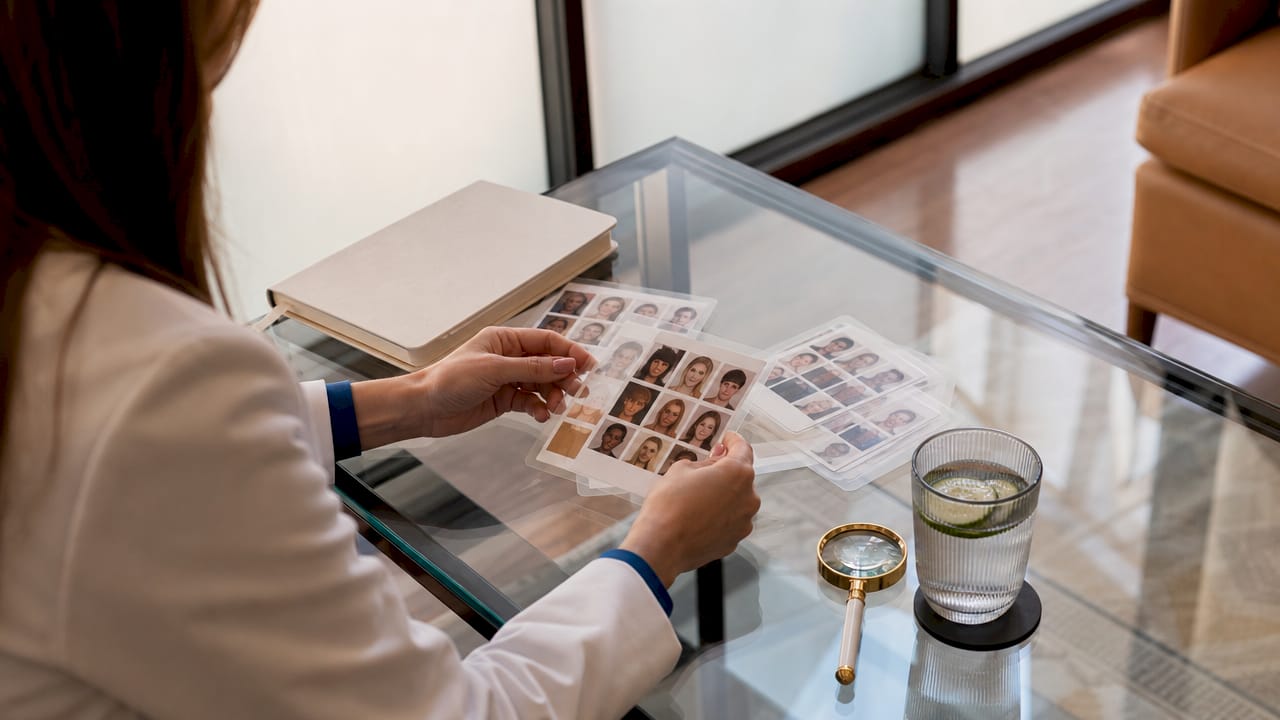
Skin type classification is the foundation of safe aesthetic medicine. Without it, providers are guessing. The Fitzpatrick scale sorts skin into six phototypes based on melanin content and how skin reacts to UV exposure. Types I–III cover fair to medium skin tones. Types IV–VI cover olive to very dark skin, where the risk of burns and pigmentation changes rises sharply with energy-based treatments.
The Baumann Skin Type system adds four more dimensions: oiliness, sensitivity, pigmentation tendency, and wrinkle proneness. That produces 16 distinct combinations that guide both product selection and procedural choices. A person classified as OSPT (Oily, Sensitive, Pigmented, Tight) needs a completely different treatment plan than someone classified as DRNT (Dry, Resistant, Non-pigmented, Tight). Matching the treatment to the type is what separates good outcomes from bad ones.
2. What the Fitzpatrick scale tells your provider
The Fitzpatrick scale is the international standard for phototype classification in aesthetic medicine. Here is what each type means in practice:
| Fitzpatrick Type | Skin Tone | UV Reaction | Treatment Caution Level |
|---|---|---|---|
| Type I | Very fair, freckles | Always burns, never tans | Low (aggressive lasers tolerated) |
| Type II | Fair | Burns easily, tans minimally | Low to moderate |
| Type III | Medium | Burns moderately, tans gradually | Moderate |
| Type IV | Olive | Burns minimally, tans well | High |
| Type V | Brown | Rarely burns, tans deeply | Very high |
| Type VI | Very dark | Never burns | Highest |
For laser and light-based treatments, phototype determines which wavelength is safe. Ruby and alexandrite lasers carry a 40–60% hyperpigmentation risk in Types IV–VI because they target melanin aggressively at the skin surface. The Nd:YAG 1064nm laser is the preferred choice for darker skin because it penetrates deeper and absorbs far less epidermal melanin.
Providers also adjust fluence (energy level), pulse duration, and cooling protocols based on phototype. Patch testing is mandatory for Types IV–VI before any full treatment session. These are not optional precautions. They are the difference between a safe result and a serious complication.
3. What are the 16 Baumann skin type categories?
The Baumann system classifies skin across four spectrums, each with two poles:
- Oily (O) vs. Dry (D): Determines sebum production and hydration needs.
- Sensitive (S) vs. Resistant (R): Reflects the skin's inflammatory response to products and treatments.
- Pigmented (P) vs. Non-pigmented (N): Indicates tendency toward uneven tone, melasma, or PIH.
- Wrinkle-prone (W) vs. Tight (T): Reflects collagen density and aging speed.
Every person falls into one of 16 four-letter combinations. An OSPW type (Oily, Sensitive, Pigmented, Wrinkle-prone) needs sebum control, anti-inflammatory protocols, pigmentation management, and collagen stimulation simultaneously. A DRNT type (Dry, Resistant, Non-pigmented, Tight) can tolerate more aggressive resurfacing with minimal risk.
Pro Tip: Ask your provider to assess all four Baumann spectrums before your first treatment. A Fitzpatrick type alone tells only part of the story. Knowing your sensitivity and pigmentation tendency prevents the most common treatment mistakes.
The Baumann framework is especially useful for choosing between chemical peels, laser intensities, and topical pre-treatment protocols. It also helps set realistic expectations. A sensitive, pigmented skin type may need more sessions at lower intensities to reach the same result as a resistant, non-pigmented type.
4. Best treatments for oily skin
Oily skin produces excess sebum due to overactive sebaceous glands. The most effective in-clinic treatment is salicylic acid chemical peels. Salicylic acid is lipophilic, meaning it dissolves in oil and penetrates deep into pores to reduce sebum production. Multiple sessions over several months are typically needed to achieve a lasting matte effect.
Laser treatments that target sebaceous glands, such as those using Harmony XL Pro technology, reduce oil production at the source. These work well for clients who have not responded to topical treatments alone. You can explore facial peels and treatments that address oily skin at the clinical level.
A counterintuitive fact: harsh drying cleansers worsen oily skin by stripping the barrier, which triggers compensatory sebum overproduction. Non-comedogenic, water-based hydrators restore the skin barrier and actually lower sebum output over time. This is why hydration is part of every oily skin treatment plan, not just a step for dry skin.
Pro Tip: If your skin feels tight after cleansing, your cleanser is too harsh. Switch to a gentle, non-comedogenic formula and pair it with a lightweight water-based moisturizer to reduce oil production within weeks.
5. Dry skin cosmetic solutions that actually work
Dry skin lacks sufficient lipids to maintain the skin barrier, leading to tightness, flaking, and accelerated fine lines. The most effective clinical options focus on restoring hydration at the dermal level, not just the surface.
- Polynucleotide skin boosters: Injected directly into the dermis, these stimulate fibroblast activity and increase hyaluronic acid production. They are particularly effective for chronically dry, thin skin.
- Hydrating mesotherapy: Delivers a cocktail of hyaluronic acid, vitamins, and amino acids into the mid-dermis. Results are visible after two to three sessions.
- Lactic acid peels: A gentle alpha-hydroxy acid (AHA) that exfoliates without disrupting the lipid barrier. Safe for dry and sensitive skin types at low concentrations (10–20%).
- Diamond Glow facials: Combine exfoliation with simultaneous infusion of hydrating serums, making them ideal for dry skin that needs both resurfacing and replenishment.
Dry skin types also benefit from barrier-repair topicals between sessions: ceramide-rich creams, niacinamide serums, and SPF 30+ daily. These protect the results of in-clinic treatments and prevent moisture loss.
6. Aesthetic treatments for sensitive skin
Sensitive skin reacts to stimuli that resistant skin ignores: fragrances, heat, certain acids, and even minor friction. The goal with sensitive skin is to achieve results without triggering redness, rosacea flares, or prolonged inflammation.
LED light therapy is the safest starting point for sensitive skin. Red light (630–700nm) reduces inflammation and stimulates collagen without heat or chemical exposure. It is non-invasive, painless, and carries virtually no risk of adverse reactions. Elitelaserhair offers Tri Wave MD LED technology, which combines red, near-infrared, and blue wavelengths for multi-target skin improvement.
Low-concentration superficial peels using mandelic acid are another strong option. Mandelic acid has a larger molecular size than glycolic acid, which slows its penetration and reduces the risk of irritation or PIH. Superficial peels using mandelic and salicylic acid are generally safe across all skin types, including sensitive phototypes. Medium and deep peels should be avoided in sensitive skin until the barrier is fully stabilized.
Barrier repair is not a cosmetic step. It is a clinical prerequisite. Sensitive skin treated without first strengthening the barrier will react unpredictably to even gentle procedures.
7. Treating hyperpigmented skin safely
Hyperpigmented skin, including melasma, post-acne marks, and sun damage, requires a layered approach. No single treatment clears pigmentation permanently without a supporting protocol.
Microneedling is effective and safe across all skin types, including darker phototypes IV–VI, because it works through mechanical stimulation rather than heat. PIH rates stay below 5% when needle depths are kept between 0.5–1.5mm and pre-treatment tyrosinase inhibitors are used. Elitelaserhair's RF microneedling adds radiofrequency energy to the mechanical action, boosting collagen remodeling and improving pigmentation more efficiently than standard microneedling alone.
The Nd:YAG 1064nm laser is the preferred laser for pigmentation in darker skin types. It targets melanin clusters deep in the dermis while sparing the epidermis, which dramatically reduces the risk of post-treatment darkening. Tyrosinase inhibitors like hydroquinone and azelaic acid, applied four to six weeks before laser treatment, reduce baseline melanin activity and lower PIH risk further.
"Microneedling and regenerative therapies provide consistent results across many skin types by stimulating the dermal matrix without aggressive inflammation, making them a preferred choice for pigmented and sensitive skin categories." Derma Institute
8. How to minimize PIH and protect your results
PIH risk reaches 15–30% in Fitzpatrick Types IV–VI without preventive protocols. That is not a minor side effect. It is a predictable outcome when treatments are applied without skin type adaptation.
The pre-treatment protocol for pigmentation-prone skin includes:
- Tyrosinase inhibitors (hydroquinone 4%, azelaic acid 10–20%, or kojic acid) applied four to six weeks before any energy-based treatment.
- Patch testing on a small area at least 48 hours before a full session.
- Sun avoidance for two weeks before treatment to reduce baseline melanin activity.
- Fluence reduction of 10–20% below standard settings for Types IV–VI, with active cooling during the procedure.
Post-treatment care is equally critical. Daily SPF 30+ use prevents UV-triggered melanin reactivation. Vitamin C serum (10–20% L-ascorbic acid) applied each morning inhibits tyrosinase and brightens existing pigmentation. Avoid heat, friction, and active exfoliants for at least seven days after any energy-based treatment.
Even safe treatments like microneedling can trigger PIH in darker skin if needle depths exceed 1.5mm or pre-treatment tyrosinase inhibition is skipped. This is the most commonly overlooked step in clinical practice.
Key Takeaways
Matching aesthetic treatments to skin type categories is the single most effective way to maximize results and prevent complications like PIH.
| Point | Details |
|---|---|
| Fitzpatrick scale guides laser safety | Types IV–VI require Nd:YAG 1064nm lasers and lower fluence to avoid burns and PIH. |
| Baumann system personalizes treatment | 16 skin type combinations direct both product choices and procedural intensity beyond phototype alone. |
| Oily skin needs lipophilic peels | Salicylic acid peels and sebaceous-targeting lasers reduce oil production over multiple sessions. |
| PIH prevention requires pre-treatment | Tyrosinase inhibitors applied four to six weeks before energy-based treatments cut PIH risk significantly. |
| Microneedling is the most inclusive option | PIH rates stay below 5% across all skin types when needle depth and pre-treatment protocols are followed. |
Why skin type awareness changes everything
The most frustrating aesthetic outcomes I see are not caused by bad technology. They are caused by ignoring skin type before treatment. A provider who applies the same laser settings to a Type II and a Type V patient is not being thorough. They are being reckless.
What I find genuinely underappreciated is how much the Baumann system changes the conversation. Fitzpatrick typing tells you about melanin and burn risk. Baumann tells you about inflammation, barrier function, and aging trajectory. Combining both frameworks gives you a complete picture. A patient who is Fitzpatrick Type III but Baumann Sensitive and Pigmented needs far more caution than their phototype alone suggests.
The good news is that aesthetic technology has caught up with skin diversity. Nd:YAG lasers, RF microneedling, and LED therapy now make it possible to treat virtually every skin type safely. The barrier is not the technology. It is the assessment that happens before the treatment starts.
My recommendation: never book a procedure at a clinic that does not ask about your skin's history with pigmentation, sensitivity, or previous reactions. That conversation is the most important part of the appointment. Non-invasive modalities, when matched correctly to your skin type, consistently outperform aggressive treatments applied without proper evaluation.
— Sharon
Personalized aesthetic care at Elitelaserhair
Every skin type deserves a treatment plan built around its specific needs, not a generic protocol applied to everyone.
Elitelaserhair at Elite Laser Center in Stony Brook, NY, offers personalized consultations that assess your Fitzpatrick phototype and skin characteristics before recommending any procedure. From laser hair removal calibrated for your skin tone to RF microneedling designed for safe pigmentation improvement, every treatment is performed under experienced medical supervision using FDA-approved technology. The center holds a three-year guarantee on laser hair removal packages and has been recognized as the top CoolSculpting facility in New York. Schedule a consultation at Elitelaserhair to find the right treatment for your skin type.
FAQ
What is the Fitzpatrick scale and why does it matter?
The Fitzpatrick scale classifies skin into six types based on melanin content and UV reaction. It is the international standard for determining which laser and light-based treatments are safe for your skin tone.
Which laser is safest for dark skin types?
The Nd:YAG 1064nm laser is the safest option for Fitzpatrick Types IV–VI. It penetrates deeply while absorbing minimal epidermal melanin, which dramatically reduces the risk of burns and hyperpigmentation.
What are the best treatments for oily skin?
Salicylic acid chemical peels and sebaceous-targeting lasers are the most effective clinical treatments for oily skin. Non-comedogenic hydration between sessions prevents the barrier stripping that worsens sebum production.
How can I prevent PIH after aesthetic treatments?
Apply tyrosinase inhibitors like hydroquinone or azelaic acid for four to six weeks before any energy-based treatment. Follow with daily SPF 30+ and vitamin C serum post-treatment to prevent melanin reactivation.
Is microneedling safe for all skin types?
Microneedling is safe across all skin types, including darker phototypes, when needle depths stay between 0.5–1.5mm and pre-treatment tyrosinase inhibition is used. PIH rates remain below 5% with proper protocols in place.