

Most RF microneedling sessions run $600 to $2,400 depending on the treatment area and device, and a full three-session package typically lands between $1,800 and $7,200 total, according to pricing surveys aggregating clinic rates. Significant results typically require more than a single visit. Plan on multiple sessions, commonly three, and expect the final price to vary based on the area treated, the device your provider uses, and whether you add extras like PRP.
TL;DR:
- Larger treatment areas like the neck or abdomen can increase per-session costs to $1,500 or more, significantly raising the overall package price.
- Equipment with advanced technology and devices operated by experienced, board-certified providers tend to be more expensive but may offer better safety and results.
- Most patients require three sessions spaced four to eight weeks apart, with additional sessions often needed for deeper scars or laxity, and savings come from bundled package pricing.
- Short-term side effects such as redness, swelling, and soreness are common, but serious risks like burns and hyperpigmentation are more likely when treatments are performed by inexperienced operators.
- The total cost for three sessions usually ranges from $1,800 to $7,200, depending on treated zones, device choices, and additional procedures like PRP.
Table of Contents
- RF Microneedling Cost: What Drives the Price Range
- How Many Sessions Do You Actually Need?
- Is RF Microneedling Safe? What to Ask Your Provider
- Does RF Microneedling Actually Work? Matching Cost to Results
- What to Expect From a Medically Supervised Provider
- When RF Microneedling Makes Sense (And When It Doesn't)
- Elite Laser Center: What a Consultation and Package Actually Look Like
- Sources
- FAQ
RF Microneedling Cost: What Drives the Price Range
Why does one clinic quote $700 and another quote $2,000 for what sounds like the same treatment? The gap usually comes down to three things: the area being treated, the device, and what gets bundled in.

A single session on the face alone tends to sit at the lower end, often $600 to $1,200. Treating the neck, jawline, or larger zones like the abdomen pushes costs toward $1,500 to $2,400 per visit, since more surface area means more time and often more energy passes. Do the math on a three-session package and you can see why totals swing so widely: three sessions at $700 each comes to $2,100, while three sessions at $2,000 each hits $6,000, both within the documented market range.
Several factors explain the spread:
- Device brand and technology: Motorized, insulated-needle platforms with precise temperature control generally cost more to operate than older, non-insulated systems, and that shows up in the price.
- Provider credentials and location: A board-certified dermatologist's office in a major metro area charges more than a med spa in a smaller market, partly for overhead and partly for experience.
- Add-ons: PRP (platelet-rich plasma) mixed into the treatment, topical numbing cream, and separate physician consultation fees can each add $100 to $500 per session.
- Facility fees: Some clinics bundle these into the quoted price; others itemize them separately, which is why comparing two "per session" quotes isn't always apples to apples.
Package pricing exists for a reason beyond marketing. Clinics know most patients need a series to see real change, so bundling three or more sessions into one upfront payment locks in the client and often shaves 10% to 20% off the per-session rate. Financing plans, including third-party medical credit options, are common precisely because few people want to pay $2,000 to $6,000 in one shot.
How Many Sessions Do You Actually Need?
Most treatment plans involve multiple sessions, commonly three, for balanced results on skin texture and mild laxity. Acne scarring and deeper skin laxity often require more, sometimes stretching into a fourth or fifth session, according to AAD patient guidance on microneedling for scars.
A realistic timeline looks something like this:
- Session one: Baseline treatment, minimal visible change immediately, some redness for a few days.
- Sessions two and three: Spaced four to eight weeks apart, allowing collagen remodeling to progress between visits.
- Months two through six: This is when most people notice the bulk of their results, since collagen production builds gradually rather than overnight.
- Maintenance: Many patients return for a single touch-up session once or twice a year to preserve results.
Spacing sessions too close together doesn't speed up collagen synthesis. It just risks irritation without added benefit.
Is RF Microneedling Safe? What to Ask Your Provider
Short-term side effects are common and mostly cosmetic: redness (erythema), swelling (edema), and mild soreness for a few days after treatment. These usually resolve on their own. Rarer but more serious risks include post-inflammatory hyperpigmentation, particularly in deeper skin tones, and burns when the device is set too aggressively or handled by an inexperienced operator.
The FDA issued a safety communication flagging these risks directly, and the American Academy of Dermatology responded by urging patients to seek board-certified clinicians rather than choosing based on price alone. Needle depth, energy level, and pulse timing all affect both results and risk, and these technical parameters aren't always disclosed during a routine consultation unless you ask.
Before booking, confirm the following:
- Is the treatment performed under medical supervision, with a physician involved in the treatment plan?
- What device is being used, and is the operator trained specifically on it?
- Can they show real before-and-after photos of prior patients?
- What does aftercare look like, and is it explained in writing?
- Is pricing broken down clearly, including any financing terms?
Pro Tip: A price that seems unusually low is worth a second look. Ask specifically what device the provider uses and how many treatments they've performed on it. A confident, specific answer is a good sign; vague reassurance is not.
Does RF Microneedling Actually Work? Matching Cost to Results
A 2026 systematic review covering dozens of studies found RF microneedling consistently effective for atrophic acne scars, with a favorable safety profile across the reviewed trials. Results for skin laxity and photoaging (sun damage, fine lines) were also positive but more variable, largely because devices differ enough in design that head-to-head comparisons are difficult.
Smaller cohort studies back this up on the patient side. One trial using a non-insulated microneedle RF device for acne scars reported high patient satisfaction and minimal downtime. The practical takeaway: if you're treating acne scarring, the evidence supporting RF microneedling is comparatively strong. If your main concern is significant skin laxity, temper expectations. It can help, but it won't replace a surgical lift.
What to Expect From a Medically Supervised Provider
Certain medical spas offer RF microneedling under medical supervision, with package pricing structured for patients who need the multi-session series most treatment plans call for. That distinction matters more than it might seem. A best-practice consultation includes documented before-and-after photos, an individualized session plan with specific needle depth ranges, and a written estimate covering both single sessions and packages.
At your consult, ask what device is being used, how many sessions your specific concern typically requires, and whether they can show documented outcomes from prior patients treating a similar issue. Insurance almost never covers elective RF microneedling since it's a cosmetic procedure, so ask about financing options upfront rather than assuming a payment plan exists. Knowing the full package cost before you commit to session one avoids surprises down the line.
When RF Microneedling Makes Sense (And When It Doesn't)
RF microneedling earns its cost for texture, acne scarring, and mild to moderate laxity, where the evidence is strongest. If you're chasing dramatic sagging correction, a surgical lift or targeted laser resurfacing may deliver more for the money. Either way, choose the provider's qualifications over the lowest quote you find.
— Sharon
Elite Laser Center: What a Consultation and Package Actually Look Like
Elite Laser Center is the alternative to guesswork pricing for RF microneedling: treatment happens under medical supervision, with package options built around the multi-session series that actually produces results, rather than a single visit sold as a fix.
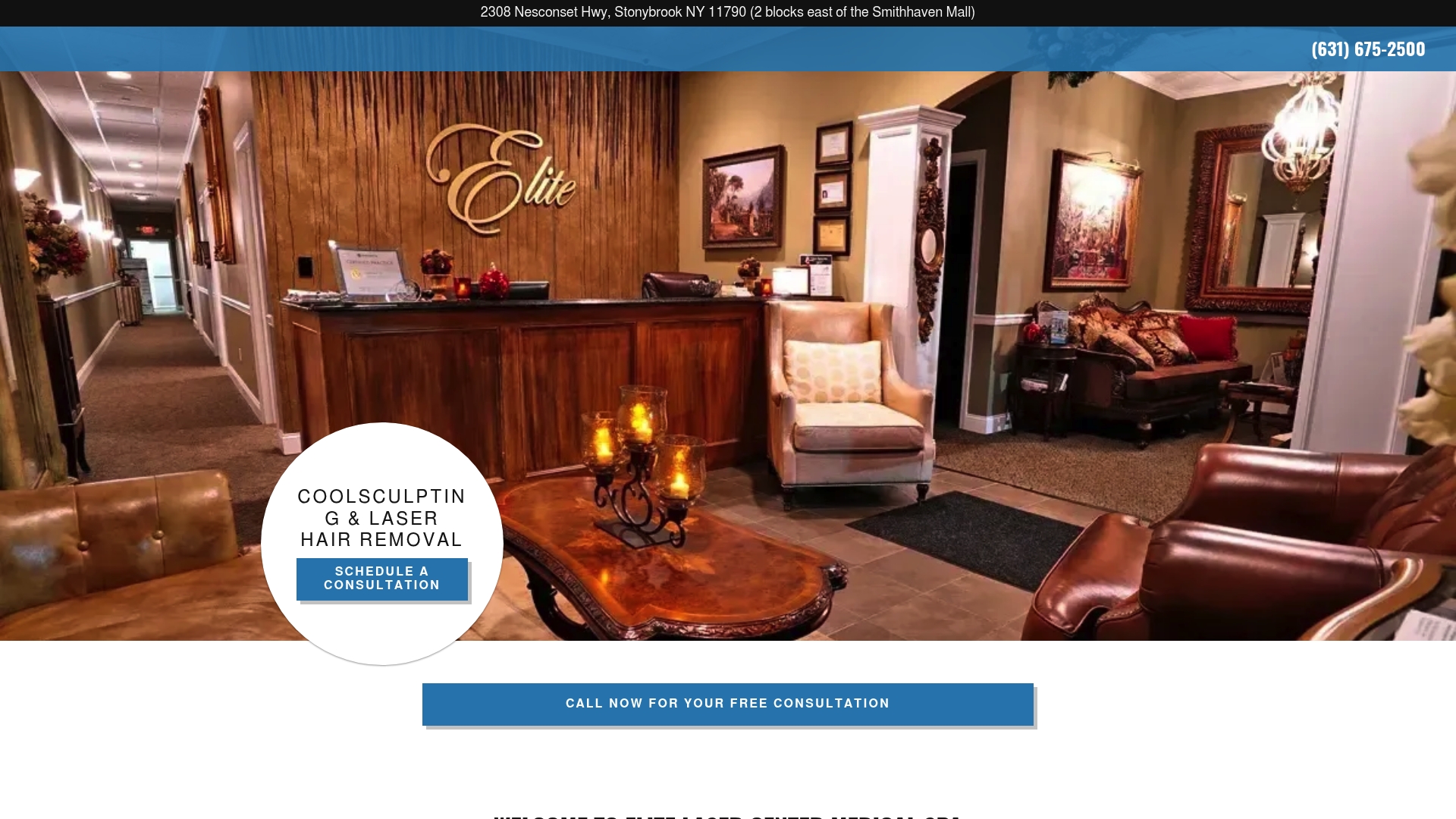
Your consultation starts with an honest look at your skin, a discussion of what RF microneedling can realistically do for your specific concern, whether that's acne scarring, early laxity, or texture, and a clear pricing breakdown before you commit to anything. Financing gets discussed upfront if a full package isn't practical to pay at once. If you're weighing RF microneedling against other options, the same visit can cover how it compares to treatments like HydraFacial-MD or chemical peels for milder concerns.
Ready to see what a personalized plan and pricing look like for your skin? Visit the RF Micro-Needling page to book your consultation.

This article is general information, not a substitute for advice from a qualified doctor. Consult a qualified healthcare professional about your own circumstances before acting on anything here.
Sources
- Potential risks with certain uses of radiofrequency (RF) microneedling — FDA
- Effectiveness of Radiofrequency Microneedling in the Treatment of Dermatological Conditions: A Systematic Review — Aesthetic Plastic Surgery
- How Much Does RF Microneedling Cost? (2026) — TheRVO
- Microneedling: Can it fade scars? — American Academy of Dermatology (patient info)
FAQ
Is RF Microneedling Worth the Money?
For acne scarring specifically, evidence from a systematic review of 41 studies supports consistent benefit with a favorable safety record. For significant skin laxity, results are more variable, so value depends heavily on matching the treatment to your actual concern rather than expecting a universal fix.
How Much Does a Session of RF Microneedling Cost?
A single session typically costs $600 to $2,400, depending on the treatment area, the device used, and the provider's location, based on aggregated pricing data. Facial treatments tend to sit at the lower end; larger areas like the neck or abdomen push costs higher.
What Is the Downside of RF Microneedling?
Common short-term side effects include redness, swelling, and mild soreness that resolve within a few days. Less common but more serious risks include burns and post-inflammatory hyperpigmentation, which is why the FDA has warned about risks tied to inexperienced operators.
How Much Is 3 Sessions of RF Microneedling?
A three-session package commonly totals $1,800 to $7,200, with the wide range reflecting differences in area treated, device technology, and whether add-ons like PRP are included, per market pricing data. Most providers recommend three sessions as a standard starting point for texture and mild laxity concerns. Elite Laser Center offers package pricing for its RF microneedling treatments, with specific costs available through a consultation.
Recommended
This article was produced with AI assistance and reviewed for accuracy. It is provided for general information, and it is not professional advice.