
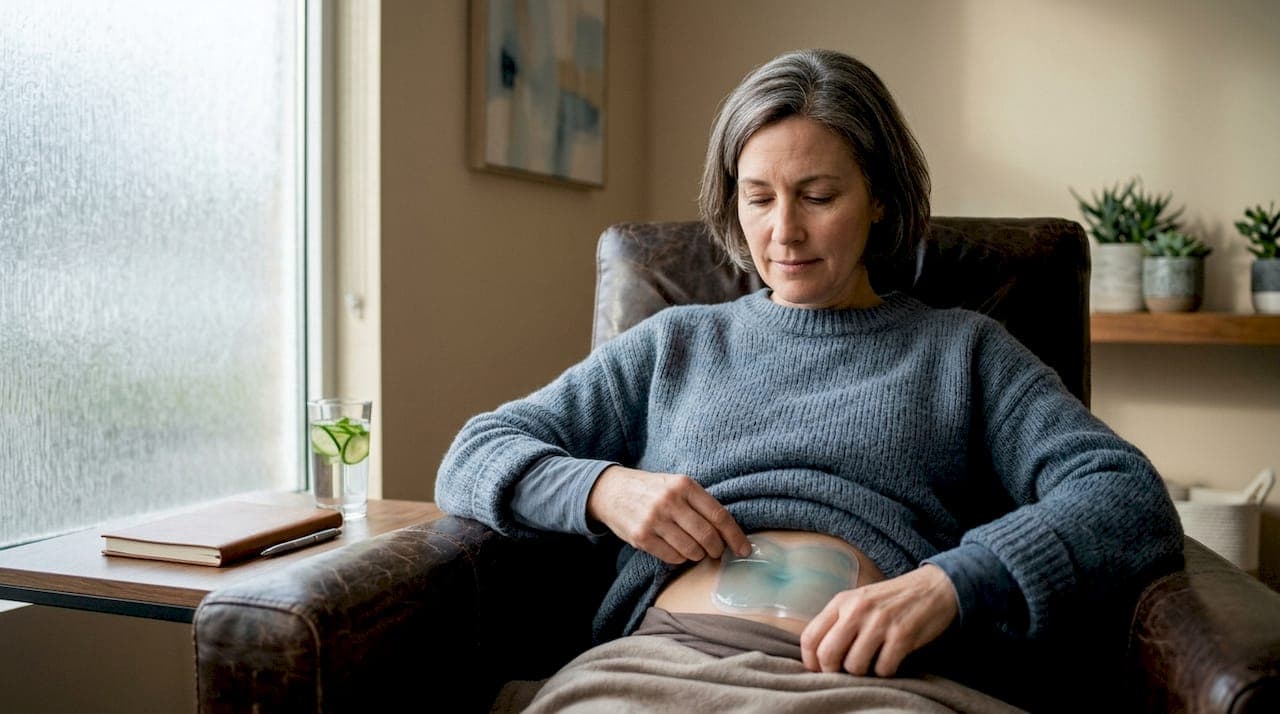
Non-invasive fat reduction recovery is defined as the healing process after body contouring treatments like cryolipolysis, laser lipolysis, and radiofrequency that require no surgical incisions and allow same-day return to normal activity. Unlike surgical liposuction, these procedures leave no scars and produce zero surgical downtime for most patients. Mild side effects such as redness, soreness, and temporary numbness typically resolve within 1–3 days. The body then clears treated fat cells through the lymphatic system over several weeks, with visible results appearing gradually. Understanding this process helps you set realistic expectations and take steps that actually improve your outcome.
What does non-invasive fat reduction recovery look like?
Recovery after non-invasive fat reduction follows a predictable pattern. The body does not expel fat cells immediately. Instead, treated cells undergo a process called apoptosis, where they break down and the lymphatic system clears them over weeks. That biological timeline is the single most important thing to understand before your first session.
Most patients walk out of their appointment and go straight back to work, errands, or a light workout. There is no compression garment, no surgical drain, and no bed rest. The treated area may feel tender or look slightly red for a day or two, but daily life continues without interruption.
Results do not appear overnight. Initial visible changes typically show at 6–8 weeks post-treatment, with full outcomes at around 12 weeks as lymphatic clearance completes. That gradual timeline surprises many patients who expect faster feedback. Knowing it upfront prevents unnecessary worry.
What is the typical recovery timeline week by week?
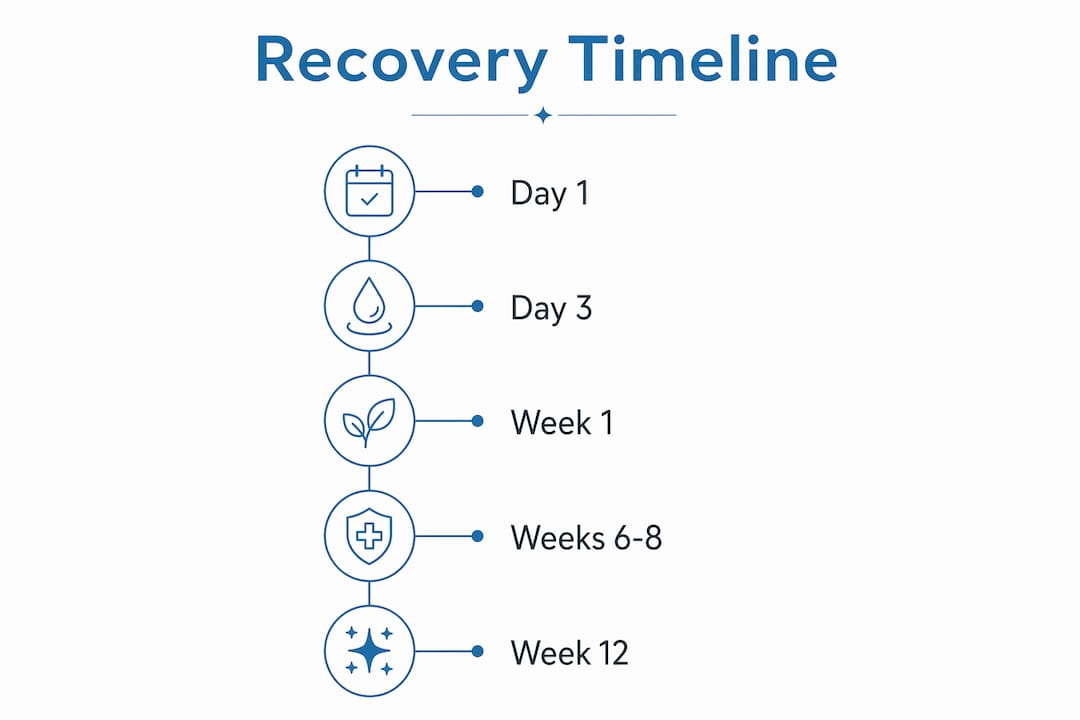
Recovery unfolds in distinct phases. Here is what most patients experience:
-
Day 1. The treated area feels tender, looks red or slightly swollen, and may feel numb or tingly. These reactions are normal and signal that the treatment worked. Most patients resume normal activities the same day.
-
Days 2–3. Redness and swelling begin to fade. Side effects generally subside within 48–72 hours for most non-invasive methods. Numbness may linger longer with cryolipolysis than with laser or radiofrequency treatments.
-
Week 1–2. The treated area feels mostly normal. Some patients notice mild firmness or sensitivity under the skin. This is the lymphatic system actively processing disrupted fat cells.
-
Weeks 3–5. The body continues clearing fat cells. No visible change is obvious yet, which is the phase where patience matters most. Staying hydrated and active during this window directly supports the clearance process.
-
Weeks 6–8. Initial contouring results become visible. Fat reduction of 15–25% per treated cycle is typical depending on the technology used. That figure represents meaningful contouring, not dramatic weight loss.
-
Week 12. Full results are visible. The lymphatic system has completed its work. This is the point at which providers typically assess whether a second session is beneficial.
Pro Tip: Take a photo of the treated area on the day of your appointment and again at weeks 4, 8, and 12. Side-by-side comparisons reveal gradual changes that are easy to miss when you look in the mirror every day.
How can you support recovery and get better results?
The body does the heavy lifting during recovery, but your daily habits either speed up or slow down fat clearance. These practices make a measurable difference.
-
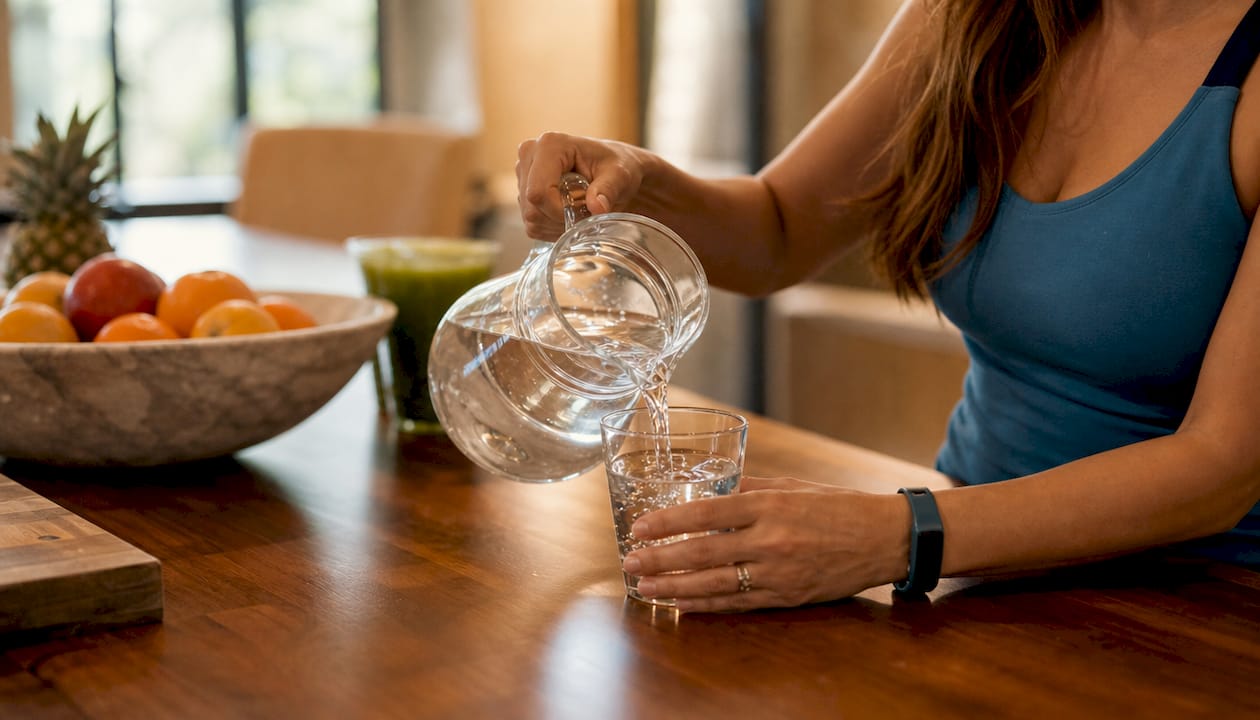
Drink more water than usual. Hydration supports lymphatic drainage, which is the mechanism that removes cleared fat cells from the body. Aim for at least eight glasses of water daily in the weeks following treatment.
-
Walk every day. Light physical activity stimulates lymphatic flow without stressing the treated tissue. A 20-minute walk after dinner is enough. You do not need to run or lift weights to see the benefit.
-
Skip aggressive self-massage. Improper massaging can increase discomfort or cause contour irregularities. Unless your provider specifically instructs you to massage the area, leave it alone.
-
Use cold compresses for discomfort. A cold pack wrapped in a cloth and applied for 10 minutes at a time reduces swelling and soothes tenderness in the first 48 hours. Over-the-counter pain relievers like ibuprofen or acetaminophen also work well for mild soreness.
-
Protect the treated skin from sun exposure. The skin over a treated area is temporarily more sensitive. Direct sun exposure can cause irritation or uneven pigmentation. Wear SPF 30 or higher on any treated area that clothing does not cover.
-
Maintain a stable weight. Non-invasive fat reduction is a contouring tool, not a weight loss solution. Remaining fat cells can grow if your weight increases after treatment, which reverses your results. Consistent nutrition and activity protect your investment.
Pro Tip: Pair your fat reduction sessions with a skin tightening treatment if loose skin is a concern. Most standard fat reduction technologies focus on fat volume, not skin firmness, so combining modalities addresses both goals.
What side effects are normal, and when should you call your provider?
Side effects after non-invasive fat reduction are mild and short-lived for the vast majority of patients. Knowing what is normal prevents unnecessary alarm and helps you spot the rare situation that does need attention.
Common side effects that resolve on their own:
- Redness and mild skin warmth at the treatment site
- Temporary swelling or puffiness
- Tingling, numbness, or a "pins and needles" sensation
- Mild soreness when pressing on the treated area
- Temporary firmness or lumpiness under the skin
These reactions are the body's normal inflammatory response to the treatment. Side effects typically subside within 1–3 days for most patients. Numbness from cryolipolysis can persist for a few weeks in some cases, which is still within the normal range.
Signs that warrant a call to your provider:
- Severe or worsening pain beyond the first 48 hours
- Blistering, open skin, or significant bruising
- Hardness or visible contour irregularity that does not improve by week 4
- Signs of infection such as warmth, spreading redness, or fever
Non-invasive fat reduction carries a strong safety profile because it targets fat cells without affecting surrounding skin, nerves, or muscle tissue. Serious complications are rare, but your provider should always be your first call if something feels wrong. Open communication during recovery is as important as the treatment itself.
How does recovery differ across non-invasive fat reduction technologies?
Recovery is not identical across all non-invasive methods. The technology used shapes what you feel in the days after treatment. The table below compares the three most common categories.
| Technology | Primary mechanism | Typical side effects | Side effect duration | Skin tightening effect |
|---|---|---|---|---|
| Cryolipolysis (fat freezing) | Controlled cooling kills fat cells | Numbness, tingling, redness, firmness | Numbness can last days to weeks | Minimal |
| Laser lipolysis | Laser heat disrupts fat cell membranes | Mild redness, warmth, tenderness | 1–3 days | Mild |
| Radiofrequency (RF) | Thermal energy heats and shrinks fat | Warmth, mild redness | 24–48 hours | Moderate |
Cryolipolysis numbness lasts longer than the side effects of laser or RF treatments because the cooling process affects nerve endings in the treated tissue. That extended numbness is not dangerous, but patients should know about it before choosing a method.
Radiofrequency stands out for its skin tightening effect. Combining RF with fat reduction addresses both fat volume and skin laxity, which makes it a strong option for patients targeting areas like the abdomen or inner thighs where loose skin is common. CoolSculpting at Elitelaserhair uses cryolipolysis technology with experienced medical supervision, which helps providers manage the longer numbness phase and set accurate recovery expectations from the start.
Recovery time also influences how often you can schedule sessions. Laser and RF treatments typically allow follow-up sessions sooner than cryolipolysis, where providers usually wait until the 12-week mark to assess full results before recommending additional cycles. Non-invasive treatments produce little to no scarring and allow a same-day or next-day return to routine, which is a meaningful advantage over surgical liposuction that requires weeks of compression and restricted activity.
Key Takeaways
Non-invasive fat reduction recovery requires no surgical downtime, with mild side effects resolving within 1–3 days and full contouring results visible by 12 weeks as the lymphatic system clears treated fat cells.
| Point | Details |
|---|---|
| Same-day return to activity | Most patients resume normal routines immediately after treatment with no bed rest required. |
| Results take 12 weeks | Initial changes appear at 6–8 weeks, but full fat clearance and contouring complete by week 12. |
| Hydration accelerates results | Drinking adequate water daily supports lymphatic drainage, which removes cleared fat cells faster. |
| Technology affects recovery feel | Cryolipolysis causes longer numbness; RF and laser produce milder, shorter-lived redness and warmth. |
| Weight stability protects results | Remaining fat cells expand with weight gain, so lifestyle maintenance is required to preserve outcomes. |
What I've learned from watching patients recover from these treatments
The most common mistake I see is treating the 12-week result window as a failure. Patients come back at week three, notice nothing visible, and assume the treatment did not work. That reaction is understandable, but it reflects a misunderstanding of how the body actually processes fat. The lymphatic system is not fast. It is thorough.
The second pattern I notice is that patients who stay active and hydrated consistently report better results than those who do not. This is not anecdotal. The biology supports it. Lymphatic flow depends on movement and fluid. Sitting still and drinking coffee all day is the worst recovery plan you can follow.
I also think the industry undersells the importance of provider communication during recovery. If something feels off at week two, call your provider. Do not wait until your scheduled follow-up at week 12. Early feedback catches the rare complication before it becomes a real problem and reassures patients who are simply experiencing normal recovery.
One thing I tell every patient: non-invasive fat reduction is a contouring tool. It removes a meaningful percentage of fat cells from a targeted area. It does not replace a healthy lifestyle, and it does not produce the dramatic volume reduction of surgical liposuction. Patients who understand that distinction before their first session are far more satisfied with their results than those who expect a transformation in 30 days.
— Sharon
Expert fat reduction care at Elitelaserhair in Suffolk County
Elitelaserhair is recognized as the top CoolSculpting facility in New York, and that reputation comes from how the team handles the full treatment experience, including recovery.
Every treatment at Elitelaserhair is performed under experienced medical supervision, which means your recovery questions get real answers from qualified professionals, not a front-desk script. The center offers CoolSculpting and body contouring treatments with personalized aftercare guidance built into every appointment. If you are considering targeting stubborn belly fat or other problem areas non-surgically, the team at Elitelaserhair will map out a treatment and recovery plan specific to your goals. Browse the full range of non-invasive treatment options or book a consultation to get started.
FAQ
How long does recovery take after non-invasive fat reduction?
Most side effects resolve within 1–3 days. Full results from fat clearance appear by 12 weeks as the lymphatic system completes its work.
Can I exercise after a non-invasive fat reduction treatment?
Light activity like walking is encouraged from day one because it supports lymphatic drainage. Intense exercise is generally fine within a day or two unless your provider advises otherwise.
Why do fat cells freeze during cryolipolysis?
Fat cells freeze at a higher temperature than surrounding skin and muscle cells. Cryolipolysis exploits this difference by cooling the tissue to a point that triggers fat cell apoptosis without harming other structures.
How much fat reduction can I expect per session?
Fat reduction of 15–25% per treated cycle is typical depending on the technology used, with results visible at 6–8 weeks and finalized at 12 weeks.
Is non-invasive fat reduction safer than surgical liposuction?
Non-invasive methods carry a significantly lower risk profile than surgical liposuction. They produce no scarring and require no anesthesia, with patients returning to normal activity the same day.