

A full course of laser hair removal in the U.S. typically runs $1,000–$3,000 for smaller areas and $2,500–$5,000 or more for large areas like full legs or a full back, based on package totals. Most providers sell 6–8 session packages rather than single sessions, and buying in bulk usually cuts your per-session rate by 15–50%.
- The national average per session is typically in the mid-hundreds of dollars, with most common areas falling in a moderate price range.
- Laser hair removal is cosmetic and not covered by health insurance; CareCredit and med-spa financing are the most common ways people spread the cost.
- FDA-approved devices and medical supervision matter for both safety and results. Clinics using modern, approved technology often require fewer sessions overall.
Table of Contents
- What does laser hair removal cost by treatment area?
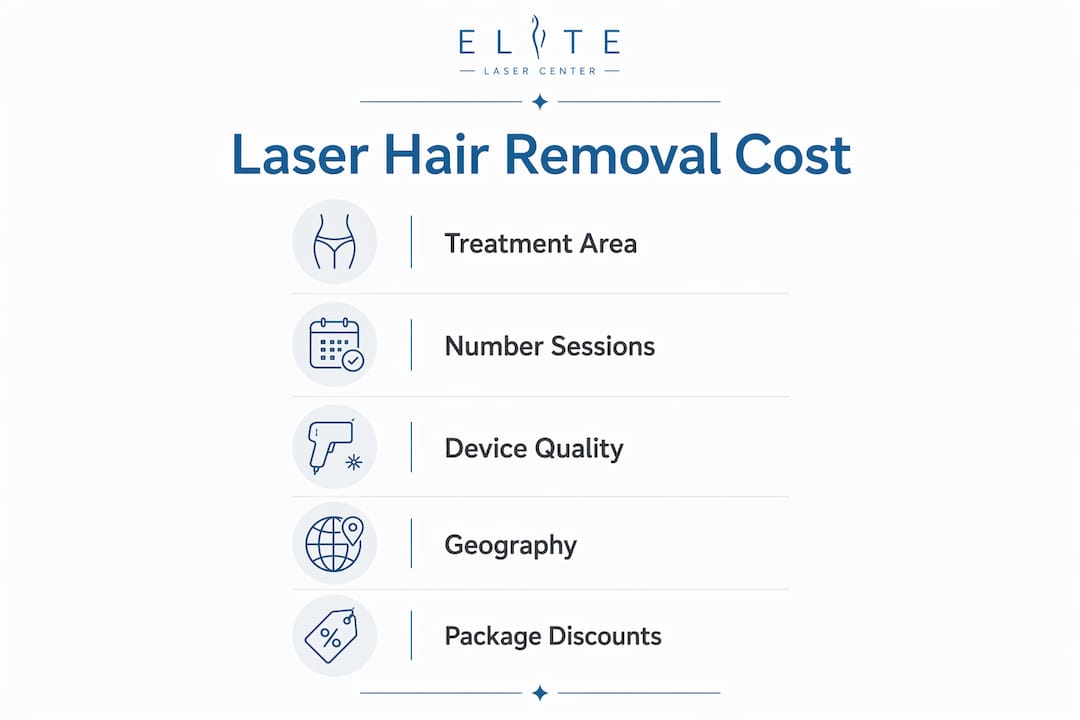
- What factors change what you'll actually pay?
- How many sessions will you need, and when?
- Does insurance cover it, and how do people pay?
- How to get an accurate quote and what to ask
- Why device quality and medical oversight matter
- Key Takeaways
- The real cost conversation nobody has at the front desk
- What Elitelaserhair includes in its laser hair removal packages
- Useful sources
What does laser hair removal cost by treatment area?
Per-session pricing depends heavily on the size of the zone being treated. Here's how the numbers break down across common areas, based on national pricing data:
| Treatment Area | Per Session (Low–High) | Full Course (6–8 Sessions) |
|---|---|---|
| Upper lip / chin | $100–$300 | $600–$1,600 |
| Underarms | $150–$250 | $900–$2,000 |
| Bikini line | $200–$400 | $1,200–$3,200 |
| Lower legs | $250–$450 | $1,500–$3,600 |
| Full legs | $350–$900 | $2,100–$7,200 |
| Full back | $350–$900 | $2,100–$7,200 |
| Full body | $600–$1,500 | $3,600–$12,000 |
Quick package math: If a clinic charges $300 per session for underarms and sells a 6-session package at a 20% discount, your total comes to $1,440 instead of $1,800. Always ask for the package price before comparing clinics.
Geography significantly affects prices. State averages can differ notably between low-cost and high-cost markets. Major metropolitan areas tend to have higher prices compared to smaller or less costly regions, according to RealSelf member data.
At-home IPL devices cost $200–$600 and can reduce hair with consistent use, but they're less powerful than clinical lasers and don't work on all skin tones. For reliable, long-term reduction, professional treatment remains the standard.
What factors change what you'll actually pay?
Six things drive the price gap between two clinics quoting the same area:
- Treatment area size. Larger zones take more time per session and more sessions overall. A full back costs more than underarms for both reasons.
- Laser technology. Modern Nd:YAG lasers treat a broader range of skin tones safely, but device quality directly affects both safety and the number of sessions you'll need. Older or less versatile devices can mean more visits.
- Provider experience and medical supervision. Board-certified dermatologists typically charge more than aestheticians. In New York, regulations allow aestheticians to perform treatments, which can lower the price point, but medical oversight remains a key quality signal.
- Your skin tone and hair type. Coarser, darker hair responds faster. Finer or lighter hair may need more sessions. Skin tone affects which device is appropriate.
- Location and facility overhead. High-rent metro practices pass those costs on. Suburban clinics often charge less for the same technology.
- Hidden extras. The American Society of Plastic Surgeons notes that advertised per-session prices often exclude consultation fees, pre- or post-treatment skincare products, and follow-up visits.
Pro Tip: Cheaper high-volume chains sometimes use older devices. Paying slightly more for a clinic running modern, FDA-approved lasers under medical supervision can reduce your total session count and lower your long-term spend.
How many sessions will you need, and when?
Most people complete a primary series of 6–8 sessions. The reason for multiple visits is biological: laser energy only disables follicles in their active growth phase, and not all follicles are active at the same time.

Typical session spacing is several weeks apart, sometimes longer for certain body areas. A sample timeline for multiple sessions might span several months.
After the primary series, most people schedule one or two maintenance sessions per year to address any regrowth. Budget for those when calculating your true annual cost.
Expected reduction after a full course is high, though results vary by hair color, skin tone, and device used. Hormonal changes (pregnancy, PCOS, certain medications) can trigger new growth and may require additional sessions.
Does insurance cover it, and how do people pay?
Laser hair removal is classified as cosmetic, so health insurance does not cover it. The most practical payment routes:
- Package pricing. Buying a 6–8 session bundle up front is the single biggest discount available, often 15–50% off single-session rates.
- CareCredit. A healthcare credit card accepted at many med spas. Promotional periods with deferred interest are common for qualifying applicants.
- Med-spa financing. Some clinics offer in-house payment plans, typically 0% interest for 6–12 months.
- Skincare club memberships. Clinics like Elitelaserhair offer membership programs that can reduce per-visit costs for ongoing clients.
- Credit cards. Standard option, though interest charges add to total cost if not paid monthly.
For a $1,500 package financed over 12 months at 0% interest, monthly payments run $125. At a standard credit card rate of 20% APR, that same package costs roughly $1,665 if carried the full year. Paying for a package up front, when possible, is almost always the better financial move.
How to get an accurate quote and what to ask
A consultation is the only way to get a real price. Walk in prepared:
Bring to your consult:
- Photos of the area(s) you want treated
- A list of current medications (some affect light sensitivity)
- Your prior hair-removal history (waxing, electrolysis)
- A realistic goal and timeline
Questions to ask every clinic:
- How many sessions are included in the package, and what's the per-session rate if I need more?
- What laser device do you use, and is it FDA-approved?
- Who performs the treatment, and what are their credentials?
- Is the consultation fee separate, or included?
- What's your maintenance policy after the primary series?
- Do you offer a guarantee or touch-up policy?
- What's explicitly excluded from the package price?
Red flags to watch for: vague session counts ("as many as you need"), no written package terms, unlisted maintenance fees, and staff who can't name the device they use.
Pro Tip: Request a consultation at more than one clinic and compare total package prices, not per-session rates. A lower per-session quote with hidden extras can cost more in the end.
Why device quality and medical oversight matter
Not all laser hair removal is equal, and the difference often shows up in your results and your session count. FDA-approved devices have been evaluated for safety and efficacy across specific skin tones and hair types. Clinics using modern, FDA-approved equipment under medical supervision can treat a wider range of patients safely and typically produce more consistent outcomes.
Before booking, verify:
- The device name and its FDA clearance status
- Staff licensure (licensed aesthetician, nurse, or physician)
- Whether a medical director oversees treatments
- Documented experience treating your specific skin tone and hair type
A clinic that can't answer these questions clearly is a risk, regardless of price. Fewer sessions with the right device costs less than more sessions with the wrong one.
Key Takeaways
Laser hair removal prices vary, but buying a package from a medically supervised clinic using FDA-approved technology often provides the best value for long-term results.
| Point | Details |
|---|---|
| Per-session cost range | Most areas cost $100–$900 per session, with the national average around $389, depending on treatment area and provider. |
| Buy packages, not singles | Packages with multiple sessions usually offer savings compared to single sessions. |
| Plan for maintenance | Some clients schedule occasional touch-up sessions after the primary series. |
| Financing options | CareCredit, med-spa plans, and memberships are common ways to spread cost. |
| Elitelaserhair | Offers laser hair removal packages with FDA-approved devices, medical supervision, and a three-year guarantee in Suffolk County. |
The real cost conversation nobody has at the front desk
The price you see advertised is almost never the number that matters. What matters is total cost to completion: sessions, maintenance, any add-on products, and the opportunity cost of repeat treatments if the first clinic's device wasn't right for your skin.
The conventional wisdom says to shop for the lowest per-session rate. That's backwards. A clinic charging $350 per session with a modern Nd:YAG laser and a clear 6-session protocol will often cost you less than one charging $200 per session with an older device that needs 10 sessions to produce the same result.
The three-year guarantee Elitelaserhair offers on laser packages is a concrete signal worth paying attention to. A clinic that guarantees results over three years has financial skin in the game. They're not incentivized to underdeliver and send you home after four sessions. That alignment of incentives is what you're actually paying for when you choose a medically supervised clinic over a high-volume chain.
What Elitelaserhair includes in its laser hair removal packages
Transparent pricing and a real guarantee separate a good clinic from a great one. Elitelaserhair, located in Stony Brook, NY and serving Suffolk County, structures its laser hair removal packages around FDA-approved technology, treatments performed under experienced medical supervision, and a three-year guarantee on results.
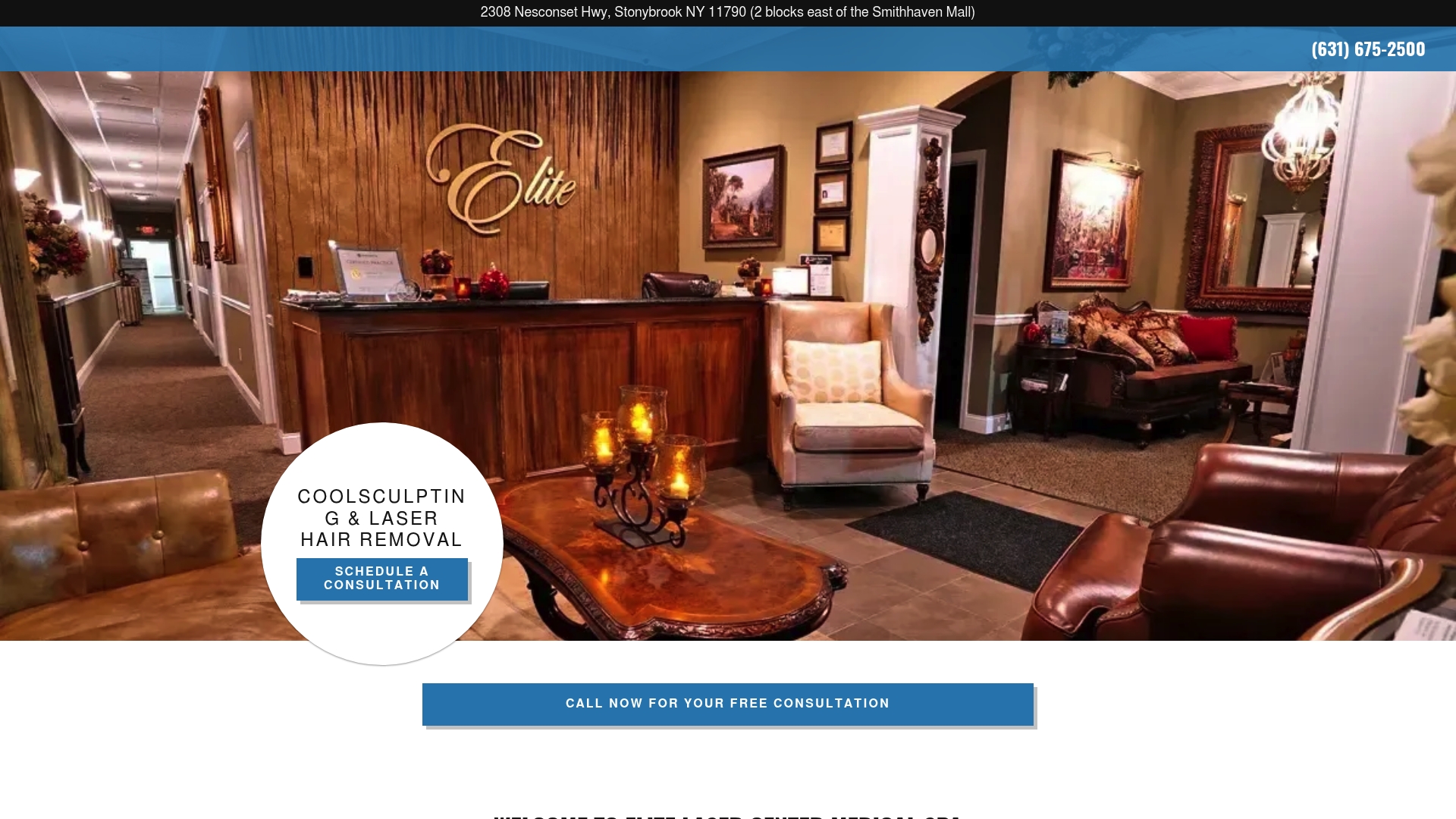
Every package includes a personalized consultation, your full session series, and aftercare guidance. The three-year guarantee means that if you need touch-ups within that window, you're covered. No vague session counts, no surprise maintenance fees. For clients interested in ongoing skin care, the skincare club membership adds additional value across treatments.
To get a personalized quote based on your specific areas and skin type, request a consultation at Elitelaserhair and walk in knowing exactly what to ask.
Useful sources
The figures and guidance in this article draw from the following authoritative sources:
- American Society of Plastic Surgeons (ASPS): National cost data and notes on what per-session prices typically exclude. plasticsurgery.org
- CareCredit: Insurance coverage status and healthcare financing options for cosmetic procedures. carecredit.com
- Medical Spa Locator: Per-session and package pricing by area, session count guidance, and geographic variation data. medicalspalocator.com
- MedSpaScout: Device quality, Nd:YAG technology, and provider expertise guidance. medspascout.com
- SurgeryCostGuide: National average cost data and state-by-state price variation. surgerycostguide.com