

Laser hair removal is a medical procedure that uses concentrated light energy to disable hair follicles and reduce hair growth across most external body areas. The treatment covers a wide range of common laser hair removal spots, from the upper lip and underarms to the back, legs, and bikini line. Most people need 6–10 sessions to see lasting results, because the laser only disables follicles in the active growth phase. Elitelaserhair, based in Suffolk County, NY, treats all of these zones using FDA-approved technology under medical supervision.
Which body areas does laser hair removal cover?
Laser hair removal treats most external skin surfaces that grow hair, including the face, underarms, arms, bikini line, legs, feet, abdomen, chest, back, and shoulders. That range makes it one of the most versatile hair reduction methods available without surgery. A few zones are off-limits, and knowing which ones matters before you book.
Face and neck
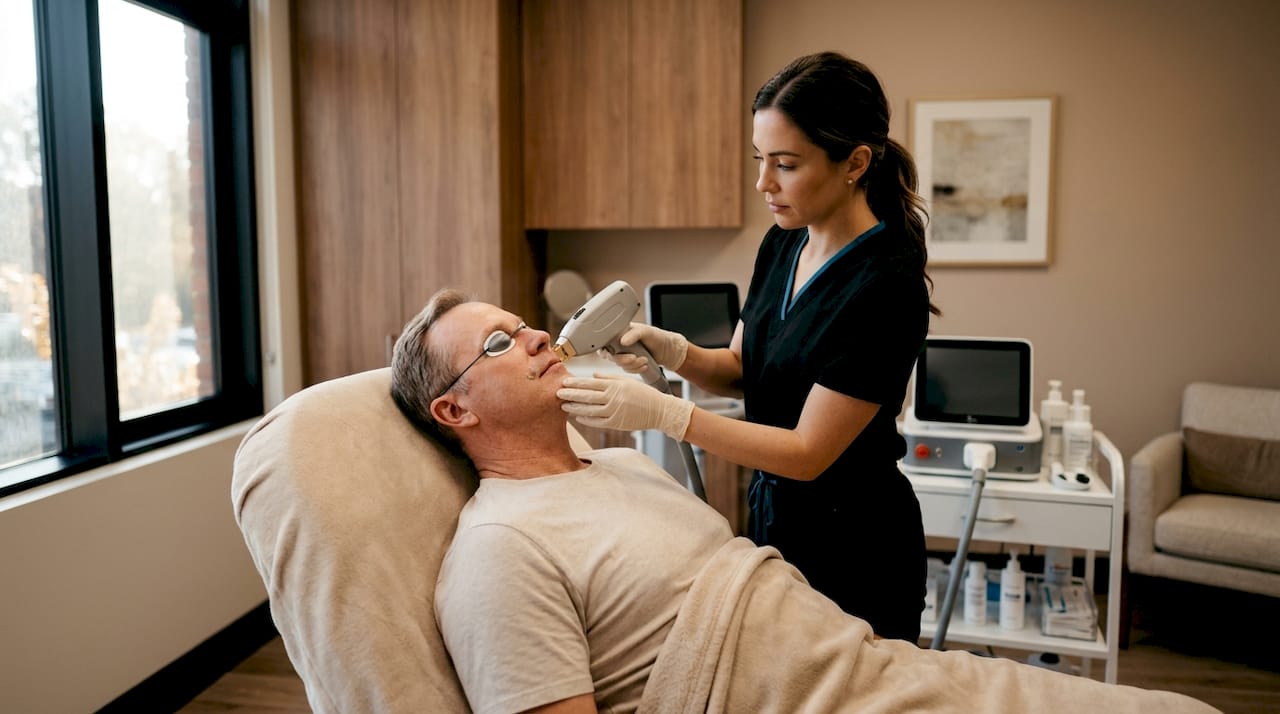
The upper lip and chin are the most requested facial zones. Hair here is visible and grows quickly, so clients notice results fast. The forehead and sideburns are also treatable, though the eyebrows require careful boundary work to protect the eye area.
Underarms and arms
Underarm laser hair removal is one of the most popular treatments because the area is small, sessions are short, and results are dramatic. Full arms, from wrist to shoulder, are also common. Clients who shave or wax their arms regularly report the biggest time savings after completing a full course.
Legs
Legs are the largest single treatment zone most people request. Full-leg sessions take longer than smaller areas, but the payoff is significant. Clients who complete a full course typically stop shaving entirely, which adds up to hours saved each month.
Bikini line and Brazilian area
The bikini line covers the area along the swimsuit edge. A Brazilian treatment extends further to remove most or all pubic hair. Brazilian laser hair removal typically requires 6–10 sessions, with per-session pricing ranging from $150 to $500 depending on location and technology. These zones respond well to laser treatment but require a provider experienced with sensitive skin.
Back, chest, and abdomen
- Back: One of the most requested zones for men. The full back is a large area, so sessions run longer, but results are consistent.
- Chest: Treated frequently in men and occasionally in women for stray hairs around the décolletage.
- Abdomen: The midline strip and full abdomen are both treatable. Results here can vary based on hormonal hair growth patterns.
Hands, feet, and shoulders
These are less common but fully viable treatment zones. Hands and feet often have fine, sparse hair that responds well to laser energy. Shoulders connect naturally to back treatments and are often included in full-back packages.
Restricted zones
Eyelids and the area directly around the eyes are strictly off-limits. Tattooed skin is also excluded. Both restrictions exist for safety reasons covered in detail below.
How does sensation and session length vary by body area?
Sensation during laser hair removal depends on the density of nerve endings in each zone. Bikini and facial areas feel the most intense, often described as a brief rubber-band snap. Legs and arms produce mild warmth with much lower discomfort. Most people find the experience manageable, especially with modern cooling systems built into professional devices.
Typical session times by area
| Body Area | Approximate Session Time |
|---|---|
| Upper lip | 2–5 minutes |
| Underarms | 5–10 minutes |
| Bikini line | 15–20 minutes |
| Full legs | 45–60 minutes |
| Back or chest | 30–60 minutes |
| Full arms | 20–30 minutes |
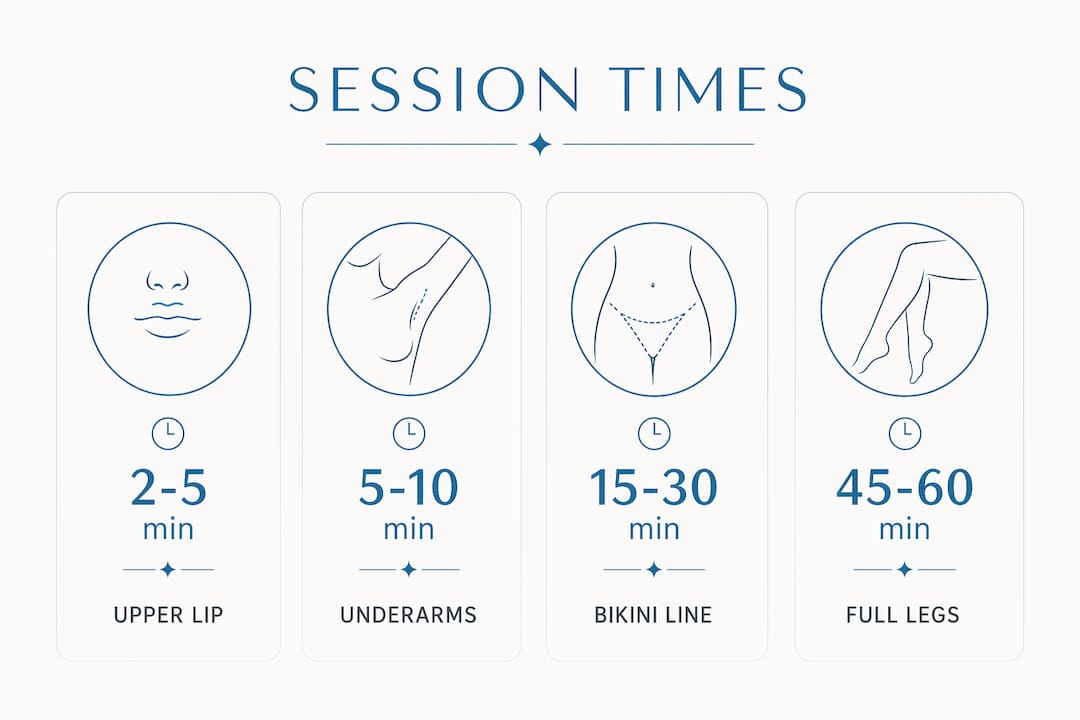
Session length directly affects how you plan your appointments. A quick underarm session fits into a lunch break. A full back or legs session needs a dedicated slot.
What affects how much it hurts?
Hydration plays a real role. Well-hydrated skin conducts laser energy more evenly, which reduces hot spots. Skin sensitivity also rises during hormonal fluctuations, particularly around the menstrual cycle. Cooling sprays applied simultaneously with each laser pulse reduce discomfort significantly, especially in sensitive zones like the bikini line and upper lip.
Pro Tip: Schedule bikini and facial sessions in the first two weeks of your cycle, when skin sensitivity is lowest, to reduce discomfort during treatment.
What safety considerations apply to different body areas?
Safety in laser hair removal depends on where you treat, your skin tone, and your hair color. Not every zone carries the same risk level, and a few areas require specific protocols to avoid adverse effects.
Zones that cannot be treated
- Eyelids and the immediate eye area: Treating eyelids risks severe eye injury. No reputable provider performs laser hair removal here.
- Tattooed skin: Laser energy targets pigment. Tattoo ink absorbs that energy unpredictably, causing burns and permanent ink damage. Always disclose tattoos before treatment.
- Internal mucosal surfaces: These are never treated. The laser is designed for external skin only.
Skin tone and hair color matter
Fitzpatrick skin types I–III respond well to Alexandrite or Diode lasers. Types IV–VI require Nd:YAG lasers to reduce the risk of burns and hyperpigmentation. This is not a minor detail. Using the wrong laser on darker skin causes real harm. Always confirm your provider uses the correct device for your skin type.
The ideal candidate has dark, coarse hair on fair skin because the contrast between hair pigment and skin allows the laser to target follicles precisely. Lighter or finer hair responds more slowly and may need additional sessions.
Pre-treatment precautions
- Shave the treatment area 24–48 hours before your session. Unshaved surface hair wastes laser energy and increases the risk of surface burns.
- Avoid sun exposure for at least two weeks before treatment. Tanned skin raises the risk of burns and uneven results.
- Skip retinoids, exfoliants, and self-tanners for one week before each session.
- Tell your provider about any hormonal conditions, medications, or recent skin treatments.
Hormonal zones need extra attention
Areas like the face, chin, and bikini line are influenced by hormonal activity. Conditions like polycystic ovary syndrome can cause hair to regrow faster in these zones. Hormonal or difficult zones may need 8–10 or more sessions, plus periodic maintenance treatments.
How to plan your laser hair removal treatments by body area
Good planning separates clients who get lasting results from those who feel disappointed after a few sessions. The most important variable is consistency.
-
Book sessions at the right interval. Most body areas require appointments spaced 4–8 weeks apart. Skipping or delaying sessions reduces long-term hair reduction because you miss follicles in their active growth phase.
-
Match session count to the area. Underarms and bikini lines often show strong results by session 6. Larger areas like legs and back typically need more sessions. Hormonal zones may need ongoing maintenance beyond the initial course.
-
Clarify what your package includes. Full-body packages often exclude facial zones. Confirm exactly which areas are covered and how many sessions are included before you sign. Elitelaserhair offers a three-year guarantee on laser hair removal packages, which removes the guesswork on touch-ups.
-
Follow aftercare by zone. Sensitive areas like the bikini line and upper lip need gentle care after each session. Avoid heat, friction, and tight clothing for 24–48 hours. Use fragrance-free moisturizer and SPF on any treated area exposed to sunlight.
-
Budget realistically. A Brazilian course costs $1,000–$3,000 total depending on location and technology. Legs and back run higher. Pricing for a skin care membership can offset some costs when combined with other treatments.
Pro Tip: Treat multiple adjacent zones in one session, such as the bikini line and inner thighs together, to reduce total appointment time and keep your schedule consistent.
Key Takeaways
Laser hair removal delivers lasting hair reduction across most body areas when sessions are consistent, the correct laser is matched to your skin type, and pre-treatment protocols are followed.
| Point | Details |
|---|---|
| Most body areas are treatable | Face, underarms, legs, back, chest, bikini, arms, and feet are all safe treatment zones. |
| Two zones are always excluded | Eyelids and tattooed skin cannot be treated due to burn and injury risk. |
| Session count varies by area | Underarms may clear in 6 sessions; hormonal zones like the face or bikini may need 10 or more. |
| Skin type determines laser choice | Darker skin tones require Nd:YAG lasers; using the wrong device causes burns and pigmentation issues. |
| Consistency drives results | Skipping appointments breaks the treatment cycle and reduces long-term hair reduction effectiveness. |
What I've learned from watching clients treat every body area
People walk in most nervous about pain, and that fear is almost always bigger than the reality. Laser hair removal is less painful than waxing for most clients, especially with integrated cooling technology. The upper lip stings for a second. The bikini line is more intense. The legs barely register. Once clients experience the first session, the anxiety drops.
What actually determines results is not the pain level. It is the schedule. I have seen clients complete six sessions and get 80% reduction, then skip two months and watch regrowth accelerate. Appointment consistency matters more than almost any other factor, including which laser brand the clinic uses.
The other thing most articles skip: hormonal zones are genuinely different. The chin, upper lip, and bikini line in clients with hormonal imbalances do not behave like legs or underarms. These areas need realistic expectations and a provider who will tell you upfront that maintenance sessions are likely, not a sign of failure.
My honest advice is to choose a provider based on their laser selection and their willingness to assess your skin type before booking. A clinic that uses one laser for every skin tone is a clinic to avoid.
— Sharon
Smooth skin across every zone, handled by experts
Elitelaserhair treats the full range of body areas, from the upper lip to the full back, using FDA-approved technology matched to your skin type. Every treatment plan at the Elite Laser Center is built around your specific hair type, skin tone, and treatment goals, with all sessions performed under experienced medical supervision.
The center's advanced cooling technology makes sensitive zones like the bikini line and facial areas far more comfortable than clients expect. Elitelaserhair backs every laser hair removal package with a three-year guarantee, so touch-ups are covered if you need them. Scheduling is straightforward, and the team walks you through exactly how many sessions your target areas require before you commit.
FAQ
What body areas can laser hair removal treat?
Laser hair removal safely treats the face, underarms, arms, legs, bikini line, back, chest, abdomen, shoulders, hands, and feet. Eyelids and tattooed skin are the two zones that cannot be treated.
Can you do laser hair removal on your back?
Yes, the back is one of the most commonly treated large body areas. Sessions typically run 30–60 minutes, and most clients see strong results within a full course of treatments.
How many sessions does each body area need?
Smaller areas like underarms may clear in 6 sessions, while larger or hormonal zones like the back, legs, or bikini line typically require 8–10 sessions or more for lasting results.
Does laser hair removal hurt on sensitive areas?
Sensitive zones like the bikini line and upper lip feel more intense, often described as a brief snap. Cooling technology applied during each pulse reduces discomfort significantly, and most clients find it less painful than waxing.
Is laser hair removal safe for all skin tones?
Laser hair removal is safe for all skin tones when the correct laser is used. Darker skin tones require Nd:YAG lasers to avoid burns and pigmentation issues, while fair skin responds well to Alexandrite or Diode lasers.