
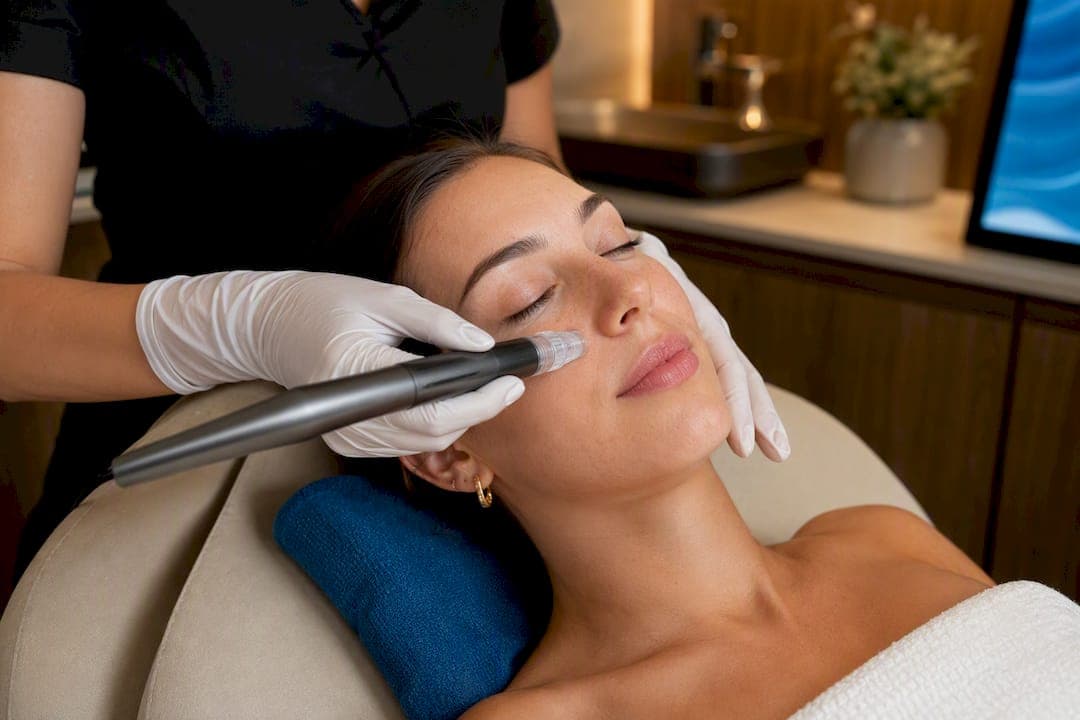
Yes. HydraFacial removes blackheads by softening the plug with a salicylic or glycolic acid blend, then lifting it out through vortex suction rather than manual pressure. The result is visibly clearer pores immediately after one session at a professional clinic. That clarity fades without upkeep, though. Blackheads reform as sebum and dead skin refill the follicle, so the real answer includes a maintenance plan, not just a single appointment.
TL;DR:
- HydraFacial softens blackhead plugs with salicylic or glycolic acid before using vortex suction to remove debris, reducing tissue trauma compared to manual squeezing.
- Repeated sessions every four to six weeks, combined with consistent home care, are necessary to maintain clear pores and prevent blackheads from reforming.
- The treatment is most effective for comedonal acne, oily or sensitive skin, but should be avoided during active cystic acne, recent isotretinoin use, or if the skin barrier is compromised.
- Customizing the protocol by adjusting acid concentration, suction strength, and adding LED therapy enhances safety and results based on individual skin needs.
- Immediate post-treatment effects include smaller pores and brighter skin, but full clearing often requires multiple sessions spaced over time.
Table of Contents
- How HydraFacial Removes Blackheads, Step by Step
- Who Is a Good Candidate for This Treatment?
- What Happens During and After a Session?
- Aftercare That Actually Keeps Pores Clear
- HydraFacial vs. Manual Extraction, Pore Strips, and Peels
- Why Elite Laser Center Customizes Every HydraFacial Protocol
- The Gap Between What HydraFacial Promises and What It Delivers
- Book a Customized HydraFacial at Elite Laser Center
- Sources
- FAQ
How HydraFacial Removes Blackheads, Step by Step
Blackheads form when oxidized sebum and dead skin cells plug a follicle. Getting that plug out without damaging the surrounding skin is the whole engineering problem, and HydraFacial solves it with a sequence rather than brute force.
The treatment moves through four stages:
- Cleanse and exfoliate to lift the surface layer of dead skin and oil.
- Acid infusion using a salicylic or glycolic blend that softens and loosens the hardened plug inside the pore.
- Vortex extraction, where a spiral suction tip pulls debris out of the follicle without dragging or pinching the skin.
- Serum infusion, often followed by LED light, to calm inflammation and support healing.
The acid step matters more than most people realize. A hardened comedone will not budge under suction alone. Softening it first turns a stubborn plug into something the vacuum can actually capture, which is why practitioners treat the peel step as a mechanical necessity, not a cosmetic add on.
Suction versus squeezing is the real distinction here. Manual extraction pushes down and out from the sides, which stresses the follicle wall and surrounding tissue. Vortex suction pulls straight up along the pore's own axis. Research on mechanical exfoliation methods supports this approach, finding that suction based techniques combined with mild exfoliation clear pore congestion while reducing tissue trauma compared with aggressive manual extraction.
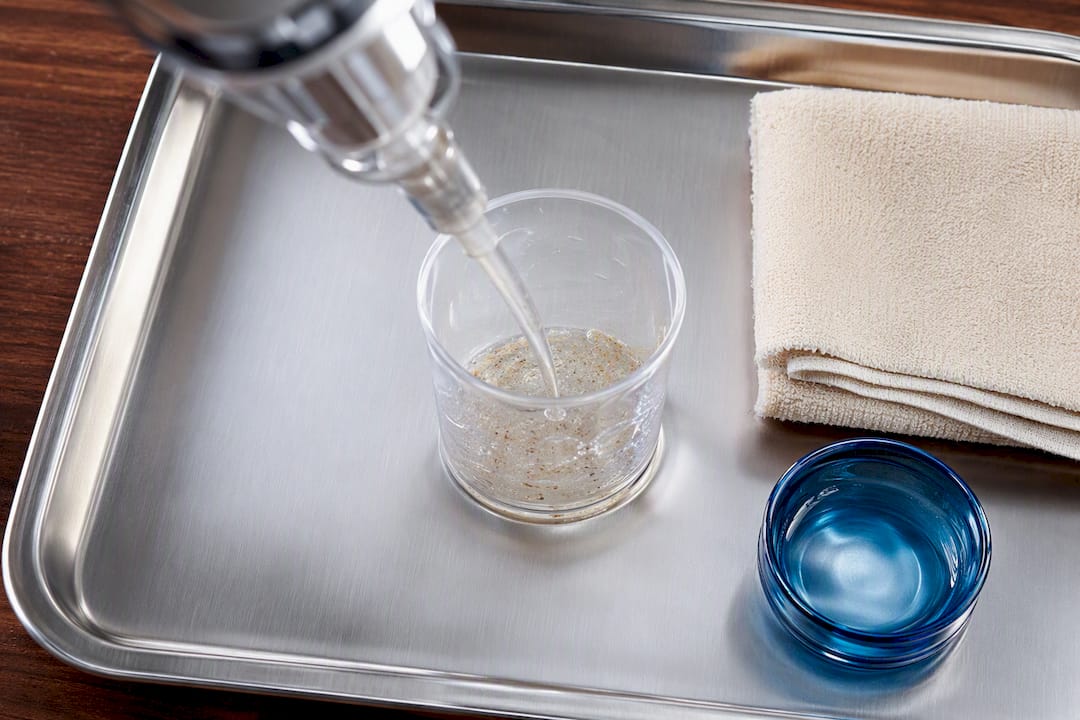
Most devices route extracted material into a visible collection cup, so you and your provider can see the debris pulled from your skin in real time. Combined with the immediate reduction in visible pore size, it is a rare treatment where the evidence of the work is sitting right in front of you.
Who Is a Good Candidate for This Treatment?
HydraFacial works best on the type of congestion it was engineered to solve, but it is not the right call for every skin condition walking through the door.
Good candidates typically include:
- People with comedonal acne (blackheads and whiteheads without deep cystic lesions).
- Oily or combination skin that regularly clogs pores.
- Sensitive skin that reacts badly to aggressive peels or manual squeezing.
Situations that call for caution or a modified protocol:
- Active cystic or nodular acne, which often needs a dermatologist's treatment plan first.
- Recent use of isotretinoin, since skin stays fragile for months afterward.
- A compromised or inflamed skin barrier, sunburn, or recent aggressive resurfacing.
- Pregnancy, which usually requires adjusting or skipping certain acids.
Clinic guidance consistently flags active cystic acne and recent isotretinoin as reasons to hold off or modify treatment, and pregnancy as a scenario requiring protocol changes rather than cancellation. Tell your provider about every prescription, recent procedure, and skin reaction before your session. That five minute conversation is what keeps a good treatment from becoming a bad reaction.
What Happens During and After a Session?
A HydraFacial session runs about 30 to 45 minutes, and most people describe it as closer to a spa treatment than a medical procedure. The suction feels like a cool, gentle pull. The acid step brings a mild tingle, nothing close to the sting of a stronger standalone peel. You will likely see smaller looking pores and a brighter complexion the moment you leave the chair.
Clearing established congestion, though, takes more than a single visit. Here is a realistic timeline:
- Initial clearing phase: Sessions every few weeks initially if pores are heavily congested.
- Transition period: Space sessions out gradually as blackheads visibly reduce.
- Maintenance phase: Sessions every month or so to help keep pores from recongesting.
Dermatology literature backs this cadence, noting that comedonal improvement usually requires repeated sessions paired with consistent home care rather than a single fix. How long results last after any given session depends on factors outside the treatment room: how much sebum your skin naturally produces, how consistently you wear heavy makeup, and even the humidity where you live. Oilier skin and hot, humid climates both accelerate how fast pores refill.
Aftercare That Actually Keeps Pores Clear
What you do in the 48 hours after treatment, and the weeks after that, decides whether your results last four weeks or four days.
Immediately after your session:
- Use a gentle, non-foaming cleanser for the first two to three days.
- Moisturize consistently. Freshly extracted pores are not the moment to skip hydration.
- Wear SPF 30 or higher daily. Skin is more sun sensitive right after acid exfoliation.
- Skip retinoids, strong exfoliants, and any at-home acid treatments for 48 to 72 hours.
For the weeks between sessions:
- Stick to non-comedogenic skincare and makeup so you are not reclogging what the treatment just cleared.
- Introduce a provider recommended salicylic acid cleanser gradually, not all at once.
- Reintroduce retinoids carefully and at low frequency if your provider clears it.
- Avoid pore strips and daily over-exfoliation, both of which irritate the follicle without solving the underlying plug.
Pro Tip: Wait the full 48 to 72 hours before layering active ingredients back into your routine. Freshly treated skin has a temporarily weaker barrier, and stacking retinoids or strong acids too soon causes redness and irritation that undoes the calm, even result you just paid for.
HydraFacial vs. Manual Extraction, Pore Strips, and Peels
Not every blackhead solution carries the same risk, and picking the wrong one for your skin type is how people end up with dark marks instead of clear pores.
Manual extraction, done by hand with fingers or a metal tool, applies lateral pressure that can bruise the follicle wall and trigger post inflammatory hyperpigmentation, especially on medium to deep skin tones. Vortex suction avoids that lateral stress entirely.
Pore strips only grab what sits at the very surface of the pore. They rip out surface debris but leave the deeper, hardened plug untouched, which is why blackheads reappear within days.
Chemical peels alone can resurface texture and treat pigmentation, but without a suction step they do not physically remove an existing plug the way HydraFacial does. Peels make more sense for scarring or deeper textural concerns; HydraFacial is the stronger choice as a starting point for active congestion and for ongoing maintenance. If your main issue is visible blackheads rather than texture or scarring, vortex extraction beats both at home options on safety margin alone.
Why Elite Laser Center Customizes Every HydraFacial Protocol
HydraFacial is not a one setting machine, and treating it that way is where a lot of at home comparisons fall apart. At HydraFacial MD sessions are typically conducted under medical supervision, with providers adjusting the protocol according to the skin in front of them rather than following a fixed script.
That customization includes:
- Suction intensity, dialed down for reactive or thin skin and increased for thicker, more congested skin.
- Acid strength and blend, choosing between salicylic and glycolic concentrations based on oil production and sensitivity.
- Acne Modality boosters, added for active breakout prone skin that needs more than standard extraction.
- LED light therapy, layered in to calm inflammation after extraction on reactive skin types.
Medical oversight is what allows those adjustments to happen safely in real time, rather than following a generic protocol regardless of what the skin actually needs.
The Gap Between What HydraFacial Promises and What It Delivers
Most of the marketing around HydraFacial treats it like a permanent fix, and that is where expectations go wrong. The mechanism is genuinely sound. Acid softening followed by vortex suction is a smarter, lower trauma way to clear a blocked follicle than squeezing it by hand. But no extraction method changes how much sebum your skin produces or how fast dead skin cells accumulate, so the pore refills eventually no matter how clean the extraction was.
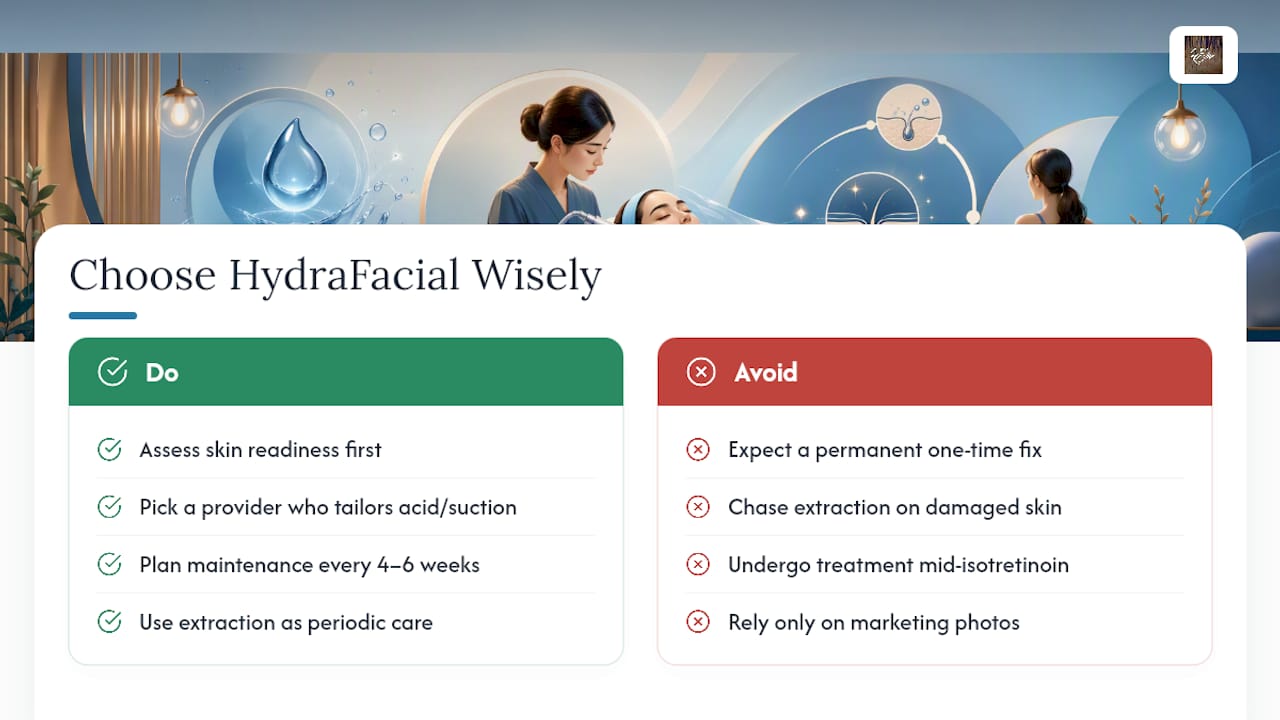
The bigger issue is that clinical evidence here is thinner than the confident before and after photos suggest. Studies on combined modalities tend to report overall improvement in acne and congestion, but few isolate blackhead specific counts, which means a lot of what we know comes from practitioner experience rather than controlled trials.
What should actually drive your decision is skin readiness, not urgency. If your barrier is compromised or you are mid isotretinoin course, chasing extraction now will backfire. Prioritize a provider who adjusts acid strength and suction to your actual skin that day, and treat the four to six week maintenance rhythm as the real product, not the one time reveal.
— Sharon
Book a Customized HydraFacial at Elite Laser Center
HydraFacial MD treatments are typically built on the protocol this article describes: acid pre-softening followed by vortex extraction, with adjustments made session by session under medical supervision instead of a fixed factory setting. That distinction matters if you have sensitive skin, active breakouts, or a skin tone more prone to post inflammatory marks, since a provider can dial suction and acid strength up or down in the room rather than defaulting to one setting for everyone.
If you are ready to see what a customized session looks like for your skin, book a HydraFacial consultation and get a protocol built around your actual congestion level, not a generic template. For anyone who wants ongoing maintenance without rebooking every month manually, the Skin Care Club folds recurring HydraFacial sessions into a simple monthly plan starting at $99.
This article is general information, not a substitute for advice from a qualified doctor. Consult a qualified healthcare professional about your own circumstances before acting on anything here.
Sources
- PMC: review articles on mechanical exfoliation and noninvasive procedures (supporting mechanism and safety claims)
- PubMed: dermatology literature on acne management and maintenance strategies
FAQ
What Actually Pulls Blackheads Out During a Facial?
Vortex suction paired with acid softening is what physically removes a blackhead. The acid loosens the hardened plug first, and the suction lifts it straight out of the follicle without the lateral pressure that manual squeezing applies.
What Kind of Facial Is Best for Blackheads?
A HydraFacial with acid pre-softening and vortex extraction is generally the safest, most effective option for active blackheads, especially compared with pore strips or manual extraction. Chemical peels alone can help with texture but do not physically remove existing plugs the way suction based extraction does.
How Do Blackheads Look Before and After a HydraFacial?
Most people see visibly smaller looking pores and a smoother texture immediately after their session, since the visible debris is suctioned into the device's collection cup during treatment. Full clearing of established congestion usually takes several sessions spaced two to three weeks apart, not one visit.
Will a HydraFacial Help With Clogged Pores?
Yes, HydraFacial is designed specifically to clear clogged pores through combined exfoliation and suction. Lasting improvement depends on a maintenance schedule, generally every four to six weeks, plus a consistent non-comedogenic home routine between sessions.
How Much Does a HydraFacial for Blackheads Cost at Elite Laser Center?
Current pricing for HydraFacial MD at Elite Laser Center is available directly on the HydraFacial service page. Readers looking for ongoing maintenance can also compare it against the Skin Care Club membership, which starts at $99 per month.
Recommended
- HydraFacial Frequency: Your Skin-Goal Schedule Guide
- Start with 4–6 Weeks: Clinic Backed Facial Schedule for Every Skin Type
- HydraFacial Cost: What to Expect and How to Save
- What Are the Real Benefits of a Hydrafacial?
This article was produced with AI assistance and reviewed for accuracy. It is provided for general information, and it is not professional advice.