
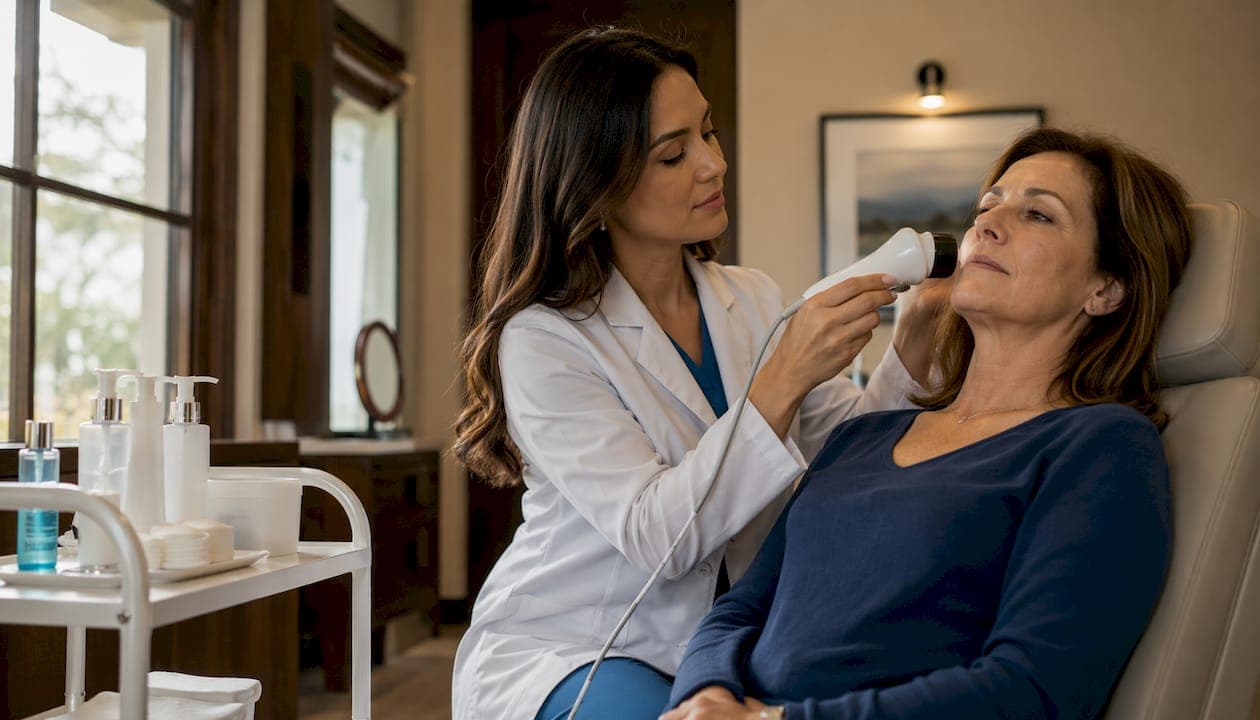
Tailored aesthetic treatments are personalized non-surgical procedures designed to address each person's unique skin type, concerns, and goals. Unlike one-size-fits-all menus, these individualized aesthetic solutions start with a professional skin analysis and build a protocol around what your skin actually needs. The shift toward personalization in aesthetic medicine reflects a broader understanding that hormonal, nutritional, and lifestyle factors all shape skin health. Whether you are exploring custom aesthetic therapies for the first time or refining an existing plan, knowing the full range of options helps you make smarter, more confident decisions.
1. Examples of tailored aesthetic treatments: custom facials
Custom facials are the most accessible entry point into personalized beauty treatments. A skilled practitioner spends the first 10–15 minutes on a live skin analysis, adjusting ingredient mixes and treatment steps in real time rather than following a fixed menu. That real-time assessment is what separates a custom facial from a standard spa service.
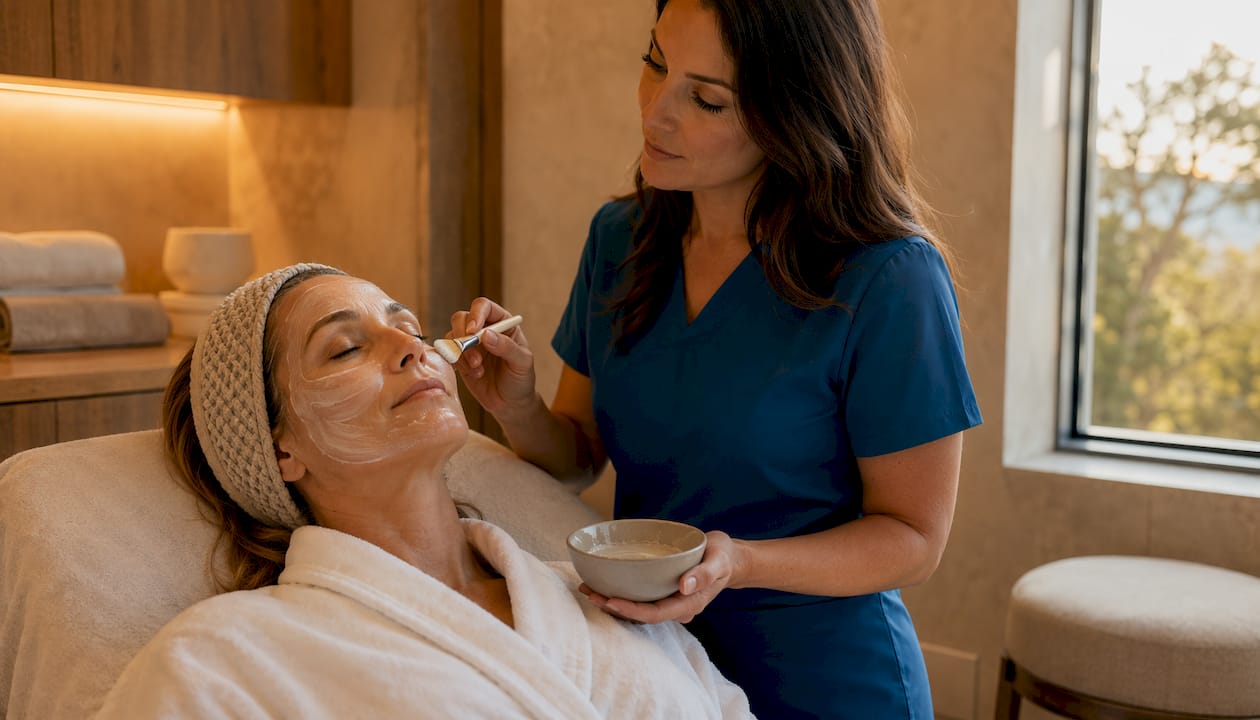
Custom facials typically run 45–60 minutes and include cleansing, targeted exfoliation, and application of serums chosen for your specific concerns. That time frame allows for meaningful treatment without overwhelming the skin barrier.
Common modalities selected during a custom facial include:
- Ultrasonic scrubbing for gentle surface exfoliation on sensitive skin
- Enzyme peels using papain or bromelain for mild resurfacing
- Glycolic or salicylic acid peels for acne-prone or congested skin
- LED light therapy to calm inflammation or stimulate collagen
- Customized serum infusions targeting hyperpigmentation, dehydration, or fine lines
Pro Tip: Arrive with a clean face and no active retinol use for 48 hours before your appointment. This gives the practitioner an accurate baseline reading of your skin's current condition.
2. Combination therapies for complex skin concerns
Combination therapy is the standard approach when a single modality cannot fully address a concern. For complex pigmentation, practitioners commonly layer IPL, 1064 nm Q-switched lasers, and topical inhibitors to target melanin at different depths. Each modality handles a different part of the problem, which is why results outperform any single treatment.
The table below shows common modalities and their primary roles in a tailored plan.
| Modality | Primary Use | Best For |
|---|---|---|
| IPL (Intense Pulsed Light) | Surface pigmentation, redness | Sun damage, rosacea |
| Q-switched laser (1064 nm) | Deep melanin disruption | Melasma, deeper spots |
| Topical vitamin C or inhibitors | Ongoing melanin suppression | Post-treatment maintenance |
| Dermal fillers | Volume and structural support | Hollows, contour refinement |
| Neuromodulators (Botox) | Muscle relaxation | Dynamic wrinkles, jaw slimming |
| RF microneedling | Collagen remodeling | Texture, laxity, scars |
Long-term facial rejuvenation plans can span up to 5 years, combining dermal fillers, neuromodulators, and non-surgical contouring in stages. That timeline allows the face to adapt naturally between sessions, preserving harmony rather than forcing dramatic change.
Pro Tip: Ask your provider to map out a 12-month treatment sequence before your first session. Knowing the order of modalities prevents conflicts between treatments and protects your results.
3. Personalized skincare procedures for natural enhancement
Advanced personalized procedures focus on working with the body's own biology rather than replacing it. Platelet-rich therapies, regenerative facials, and bio-compatible fillers all fall into this category. Personalized aesthetic medicine addresses root causes including hormonal, nutritional, and lifestyle factors, not just surface appearance. That functional approach produces results that hold up over time.
Key examples of these procedures and their benefits include:
- PRF (platelet-rich fibrin) microneedling: Uses your own growth factors to stimulate collagen. Best for texture improvement, fine lines, and dull skin tone.
- Bio-compatible fillers: Hyaluronic acid formulations chosen for specific facial zones. Provide natural volume without the stiffness of older filler generations.
- Regenerative facials with exosomes: Deliver cell-signaling proteins to accelerate repair. Suited for post-procedure recovery or chronically stressed skin.
- Gentle neuromodulators at micro-doses: Soften expression lines without freezing movement. Preferred by patients who want subtle results.
- RF microneedling: Combines radiofrequency energy with micro-channels for deeper collagen remodeling. Effective for skin laxity and acne scarring.
The common thread across all these options is patient collaboration. Skincare needs change monthly, so treatment plans should evolve through ongoing conversations between patient and provider rather than following a static protocol.
4. Adapting treatments for diverse skin types
Skin type is not a minor variable. It is the primary factor that determines which modalities are safe and at what energy levels. Gentle, low-energy treatments are the standard for Fitzpatrick skin types IV–VI to prevent post-inflammatory hyperpigmentation and inflammation. Using the wrong settings on darker skin can cause more damage than the original concern.
Adapting a personalized plan for diverse skin types involves several specific adjustments:
- Fitzpatrick I–II (very fair): Tolerates higher laser fluence and stronger chemical peels. Risk of redness and sensitivity requires sun protection protocols.
- Fitzpatrick III–IV (medium to olive): Requires conservative energy settings and test patches before full treatment. Responds well to IPL when parameters are dialed down.
- Fitzpatrick V–VI (dark to deep): Non-thermal topical therapies and ultra-gentle protocols are preferred. Nd:YAG lasers at 1064 nm are the safest laser option for this group.
- Sensitive or hormonally affected skin: Fragrance-free, barrier-supporting products are selected. Treatments are shorter and spaced further apart to prevent reactivity.
- Acne-prone skin: Salicylic acid peels and blue LED therapy are prioritized. Occlusive ingredients are avoided in post-treatment care.
Successful aesthetic results rely on gradual, multi-year plans that balance structural support with skin quality. Rushing the process, especially on sensitive or darker skin types, undermines both safety and outcomes.
5. Tailored facial treatments for aging and contouring
Aging is not a single concern. It involves volume loss, skin laxity, surface texture changes, and shifting facial proportions, all at different rates in different people. A tailored approach to facial aging addresses each of these layers separately and in the right sequence. Tailored treatment enhances natural features through subtle, anatomy-guided facial balancing, avoiding the over-corrected look that comes from treating the face as a uniform surface.
For contouring, practitioners commonly combine masseter Botox for jaw slimming, cheek fillers for midface lift, and chin projection with a small filler bolus. Each of these targets a different anatomical structure. The result reads as "refreshed" rather than "done."
HydraFacial treatments and Diamond Glow facials address the surface layer of aging by delivering active ingredients deep into the skin during the treatment itself. These work well as maintenance between injectable appointments, keeping skin quality high so structural treatments look their best.
Skin tightening procedures using radiofrequency or ultrasound energy add another dimension to anti-aging plans. They stimulate collagen production in the dermis without breaking the skin surface, making them compatible with most other modalities.
6. Individualized body contouring treatments
Personalization extends well beyond the face. Body contouring treatments are among the most individualized aesthetic options available because body composition, fat distribution, and muscle tone vary significantly from person to person. A plan for one patient may focus on fat reduction in the abdomen, while another needs muscle definition in the thighs.
CoolSculpting uses controlled cooling to eliminate fat cells in targeted zones. The applicator size, placement, and number of cycles are all chosen based on the individual's anatomy and goals. Elitelaserhair holds recognition as the top CoolSculpting facility in New York, which reflects the level of protocol customization applied to each patient.
CoolTone uses magnetic muscle stimulation to build and tone muscle in areas like the abdomen, glutes, and thighs. It pairs naturally with CoolSculpting because fat reduction and muscle definition address different layers of the same concern. Laser hair removal rounds out body treatment plans by addressing unwanted hair with settings calibrated to skin tone and hair color. Elitelaserhair backs its laser hair removal packages with a three-year guarantee, which reflects confidence in the personalized approach.
7. Ongoing reassessment and evolving treatment plans
A tailored plan is never finished. Skin changes with seasons, hormones, stress, and age, so the protocol needs to change with it. Collaborative, ongoing patient-provider relationships produce the most effective tailored outcomes because both parties stay informed and responsive to what the skin is doing right now.
Periodic reassessment typically happens every 4–6 weeks for active treatment phases and every 3–6 months for maintenance. During each check-in, the provider evaluates results, adjusts product choices, and decides whether to escalate or scale back intensity. This iterative process is what separates a medical spa from a standard beauty service.
Facial balancing principles guide these adjustments by keeping the focus on preserving individuality rather than chasing a trend. The goal is always to look like a better version of yourself, not a different person.
Key Takeaways
Tailored aesthetic treatments work because they match specific modalities, energy settings, and product choices to each person's skin type, concerns, and long-term goals.
| Point | Details |
|---|---|
| Personalization starts with analysis | Live skin assessment guides every ingredient and modality choice from the first session. |
| Combination therapies outperform single treatments | Layering IPL, lasers, and topicals addresses pigmentation at multiple depths simultaneously. |
| Skin type determines safety parameters | Fitzpatrick types IV–VI require low-energy, non-thermal protocols to prevent complications. |
| Plans must evolve over time | Monthly skin fluctuations mean static routines produce diminishing returns. |
| Multi-year plans yield the best results | Gradual, staged approaches preserve natural harmony and avoid over-correction. |
What I've learned from watching patients choose personalization over perfection
The most common mistake I see is patients arriving with a photo of someone else's face as their goal. That framing sets up the wrong conversation from the start. The best outcomes I have witnessed come from patients who say, "I want to look like myself, but rested," and then trust the process of gradual, anatomy-guided adjustment.
Live skin analysis changes everything. When a provider spends the first part of a session actually reading your skin rather than defaulting to a menu, the treatment becomes genuinely responsive. I have seen practitioners switch from a planned glycolic peel to an enzyme treatment mid-consultation because the skin presented with unexpected sensitivity that day. That kind of real-time decision-making is not possible with a fixed protocol.
The hardest thing to communicate is that the best results take time. A multi-year customized plan sounds like a sales pitch until you see the difference between a patient who rushed through treatments in six months and one who paced them over two years. The gradual approach wins every time because the face adapts, and the results look earned rather than imposed.
My honest advice: prioritize providers who reassess at every visit, not just at the intake appointment. Your skin in march is not your skin in august. The plan should reflect that.
— Sharon
Personalized aesthetic care at Elitelaserhair
Elitelaserhair at Elite Laser Center in Stony Brook, NY offers a full range of non-surgical, medically supervised treatments built around your individual goals. From custom facials and peels to injectables for facial contouring, every service starts with a thorough consultation to map out a plan that fits your skin type and timeline.
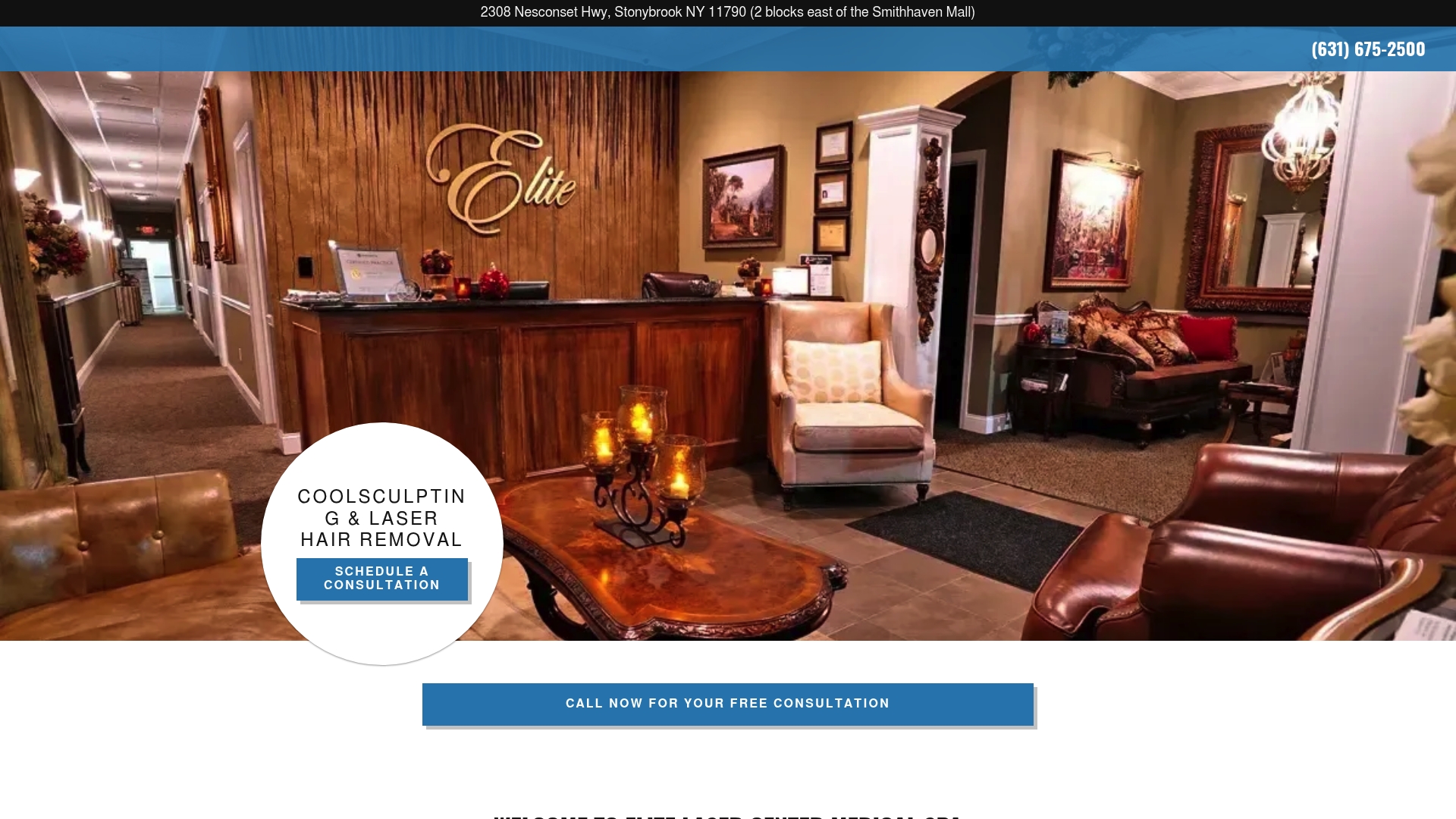
The center's FDA-approved technology and experienced clinical team cover everything from laser hair removal to CoolSculpting, RF microneedling, and LED light therapy. Elitelaserhair is recognized as the top CoolSculpting facility in New York and backs laser hair removal packages with a three-year guarantee. Book a consultation to get a treatment plan built specifically for you, not a template.
FAQ
What are examples of tailored aesthetic treatments?
Tailored aesthetic treatments include custom facials, combination laser therapies, RF microneedling, dermal fillers, neuromodulators, and body contouring procedures like CoolSculpting. Each is selected and adjusted based on individual skin type, concerns, and goals.
How long does a custom facial treatment take?
Custom facials typically last 45–60 minutes and include a professional skin analysis, cleansing, targeted exfoliation, and application of serums chosen for your specific skin needs.
Are tailored treatments safe for darker skin tones?
Yes, when performed correctly. Practitioners use low-energy, non-thermal protocols for Fitzpatrick skin types IV–VI to avoid post-inflammatory hyperpigmentation and other complications.
How often should a personalized treatment plan be updated?
Treatment plans should be reassessed every 4–6 weeks during active phases and every 3–6 months during maintenance, since skin conditions change with hormones, seasons, and lifestyle.
Can you combine multiple aesthetic treatments in one plan?
Combining modalities like IPL, Q-switched lasers, and topical inhibitors is more effective for complex concerns than any single treatment alone, and multi-year plans regularly integrate injectables, energy devices, and topical therapies.