

Which body areas respond best to non-surgical fat reduction?
The most effective target areas for non-surgical fat reduction share one key trait: localized, pinchable subcutaneous fat that stubbornly resists diet and exercise. According to the American Academy of Dermatology, FDA-approved treatments work on the abdomen, flanks, chin, neck, back, upper arms, thighs, and knees. These are all areas where fat sits just beneath the skin, above the muscle, and can be physically grasped.
One critical distinction: these treatments only reach subcutaneous fat. Visceral fat — the deeper fat surrounding your organs — is completely unaffected by cryolipolysis or laser lipolysis. If your midsection fullness comes from visceral fat, no non-surgical device will touch it. That requires lifestyle changes, not a clinic visit.
The American Society of Plastic Surgeons is clear that these procedures suit people close to their goal weight who want modest contouring, not significant volume reduction. Think of it as refining a shape, not reshaping a body.
Prime treatment areas at a glance:
- Abdomen (upper and lower)
- Flanks ("love handles")
- Submental area (double chin)
- Inner and outer thighs
- Upper arms ("bat wings")
- Back rolls and bra fat
- Knees
- Neck
What to expect from sessions and timelines
Most people need 1 to 4 treatment sessions, depending on the technology and the size of the area. CoolSculpting typically requires multiple sessions, each lasting between one and several hours. Injectable treatments like Kybella take about twenty minutes per session, spaced several weeks apart. Radiofrequency devices can require multiple sessions, while ultrasound treatments usually require fewer sessions.
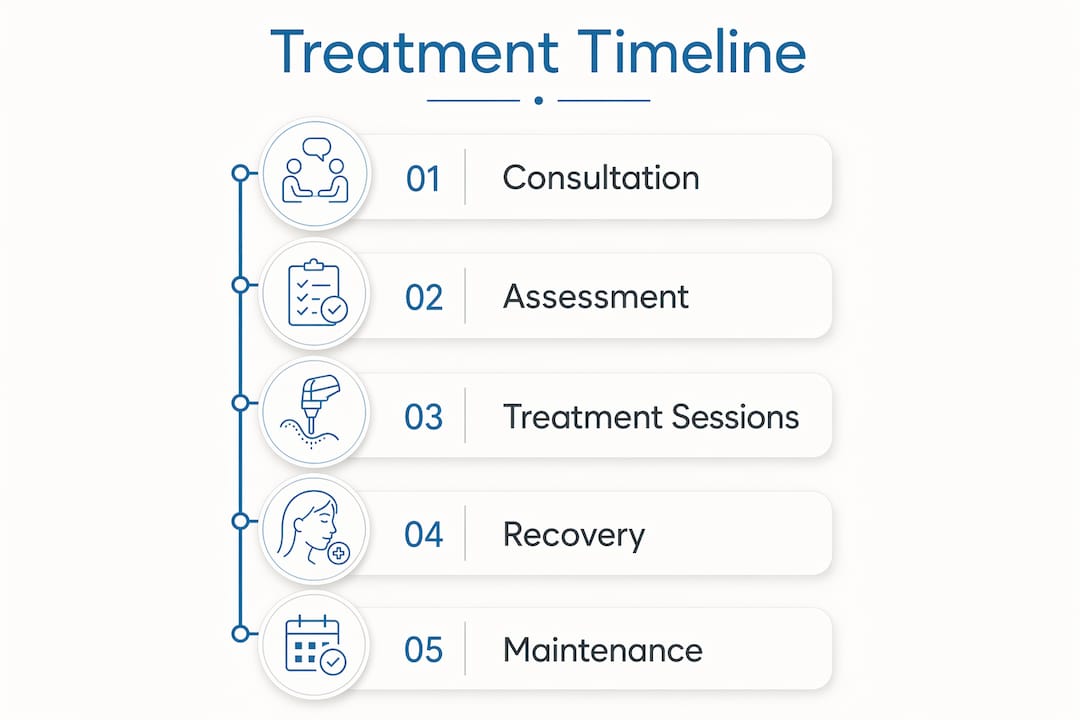
Results do not appear overnight. Fat cells die gradually and the body eliminates them over weeks. Most people see noticeable changes within weeks and full results within a few months after the final session. Fat reduction per treated area is typically modest and noticeable but varies among individuals. That is a real but modest change — your clothes will fit differently, not dramatically.
Session and timeline summary:
- CoolSculpting: 1–3 hours per session, usually 2 sessions
- Kybella injections: ~20 minutes, 2–4 sessions spaced one month apart
- Ultrasound therapy: 1–3 sessions, results final within 6–12 weeks
- Radiofrequency: 4–10 sessions, 30 minutes each
- Full results: typically visible 2–3 months post-treatment
Why consultation with a board-certified specialist matters
Choosing the right treatment zones without a professional evaluation is guesswork. Board-certified dermatologists and plastic surgeons assess skin laxity, fat type, body composition, and medical history before recommending any procedure. Skin elasticity alone can determine whether fat reduction produces a clean contour or a deflated, loose appearance.
Providers with deep anatomical knowledge also catch contraindications that online research misses entirely. Injectable treatments like Kybella, for instance, require precise placement to avoid nerve damage. The American Board of Cosmetic Surgery recommends that injectable fat reduction be performed only by qualified cosmetic surgeons or providers with equivalent training.
Key assessment criteria during consultation:
- Skin laxity and elasticity at each proposed treatment site
- Fat type: subcutaneous vs. visceral
- Overall body composition and proximity to goal weight
- Medical history and contraindications
- Realistic outcome expectations per area
How to maintain your results long term
Fat cells destroyed by non-surgical treatments do not regenerate. That permanence is real, but conditional. Weight gain after treatment causes remaining fat cells in the treated area to expand, which can obscure the results you worked to achieve. The treated area will still show less fat than an untreated one, but the improvement narrows.
Stable weight and consistent exercise are the two most reliable ways to protect your results. Skin tightening treatments can complement fat reduction, particularly in areas like the abdomen or upper arms where loose skin might emerge after fat loss. Post-treatment, expect temporary swelling, bruising, or numbness that resolves within days to a few weeks.
Post-treatment maintenance tips:
- Maintain a stable weight through balanced nutrition and regular activity
- Avoid significant weight fluctuations that expand remaining fat cells
- Consider skin tightening if laxity is a concern in the treated area
- Follow up with your provider 4–6 weeks after treatment
- Use compression garments if recommended; compression after body contouring can support recovery and reduce swelling
Safety considerations and side effects by treatment area
Non-surgical does not mean side-effect-free. The most common reactions across all areas include temporary swelling, redness, numbness, and bruising. These typically resolve within days. Kybella injections under the chin can cause pronounced swelling that lasts up to two weeks, which means planning around social commitments is wise.
Cryolipolysis carries a rare but documented risk called paradoxical adipose hyperplasia, where the treated area actually increases in fat volume rather than decreasing. Getting treatment from a trained, board-certified provider significantly reduces this risk. Areas with thinner skin or proximity to nerves, such as the neck and chin, require especially careful technique.
How body area anatomy affects your results
Not every area responds the same way, even with identical technology. The abdomen and flanks tend to show the most consistent results because the fat there is dense, accessible, and easy to position in an applicator. The submental area (chin) responds well to both cryolipolysis and Kybella, but the skin is delicate and laxity must be assessed beforehand.
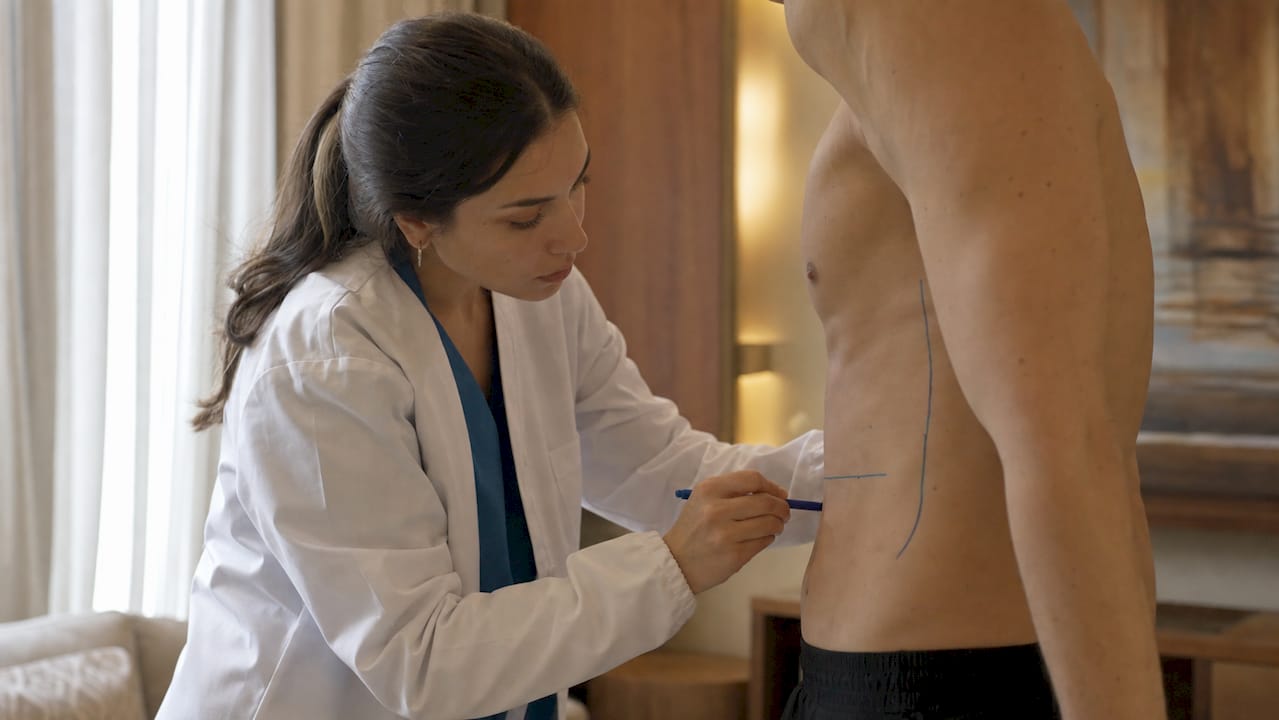
Thighs present a different challenge. Inner thigh fat is softer and less dense, which can make results subtler. Upper arm fat, particularly in the triceps region, often responds well to cooling devices, but skin elasticity is a major variable. Poor elasticity in the arms can leave skin looking loose after fat reduction, making a combined skin-tightening approach worth discussing with your provider.
How to assess and prioritize multiple treatment areas
Start with the area that bothers you most and where the fat is most clearly subcutaneous and pinchable. Treating multiple areas simultaneously is possible but increases cost and recovery demands. Most providers recommend addressing one or two areas per treatment cycle, then reassessing.
Genetics account for roughly 60% of where fat is distributed across the body, which means some areas will respond faster than others regardless of technique. Your provider can help you sequence treatment zones logically, pairing complementary areas like the abdomen and flanks for balanced contouring.
Realistic limitations for each body area
No non-surgical treatment delivers liposuction-level results. Expect subtle reshaping, not dramatic transformation. The abdomen may feel flatter; the flanks slightly trimmer. The chin profile often shows the clearest improvement because the area is small and well-defined.
Areas with significant skin laxity, very dense fat, or primarily visceral fat will see limited benefit. The American Society of Plastic Surgeons consistently frames these procedures as tools for subtle reshaping rather than major fat removal. Anyone expecting a dramatic before-and-after will likely be disappointed. Anyone expecting their jeans to fit better in a specific spot, after a few months and a couple of sessions, is usually satisfied.
Elitelaserhair brings expert fat reduction to New York
Elitelaserhair is recognized as the top CoolSculpting provider in New York, with all treatments performed under experienced medical supervision using FDA-approved technology. The center offers personalized treatment plans targeting stubborn fat in the abdomen, flanks, chin, thighs, arms, and more. Patients consistently report visible, real results backed by the center's commitment to individualized care. For those exploring injectable options alongside body contouring, Elitelaserhair's clinical team guides every decision with the anatomical expertise that safe outcomes require. Schedule a consultation at Elitelaserhair to identify your best treatment areas and build a plan that fits your goals.
Key takeaways
Non-surgical fat reduction works best on localized, pinchable subcutaneous fat in areas like the abdomen, flanks, and chin. Fat reduction per treated area is typically modest and noticeable, ranging from 15% to 25% reduction, with full results visible in 2–3 months.
| Point | Details |
|---|---|
| Best treatment areas | Abdomen, flanks, chin, thighs, upper arms, back, knees respond best to FDA-approved devices. |
| Realistic results | Fat reduction per area is typically 15%–25%, with full results visible 2–3 months after the final session. |
| Consultation is critical | Board-certified specialists assess skin laxity, fat type, and anatomy before selecting treatment zones. |
| Results require maintenance | Destroyed fat cells do not return, but weight gain expands remaining cells and reduces visible improvement. |
| Elitelaserhair | New York's top-rated CoolSculpting center offers medically supervised, personalized fat reduction plans. |