
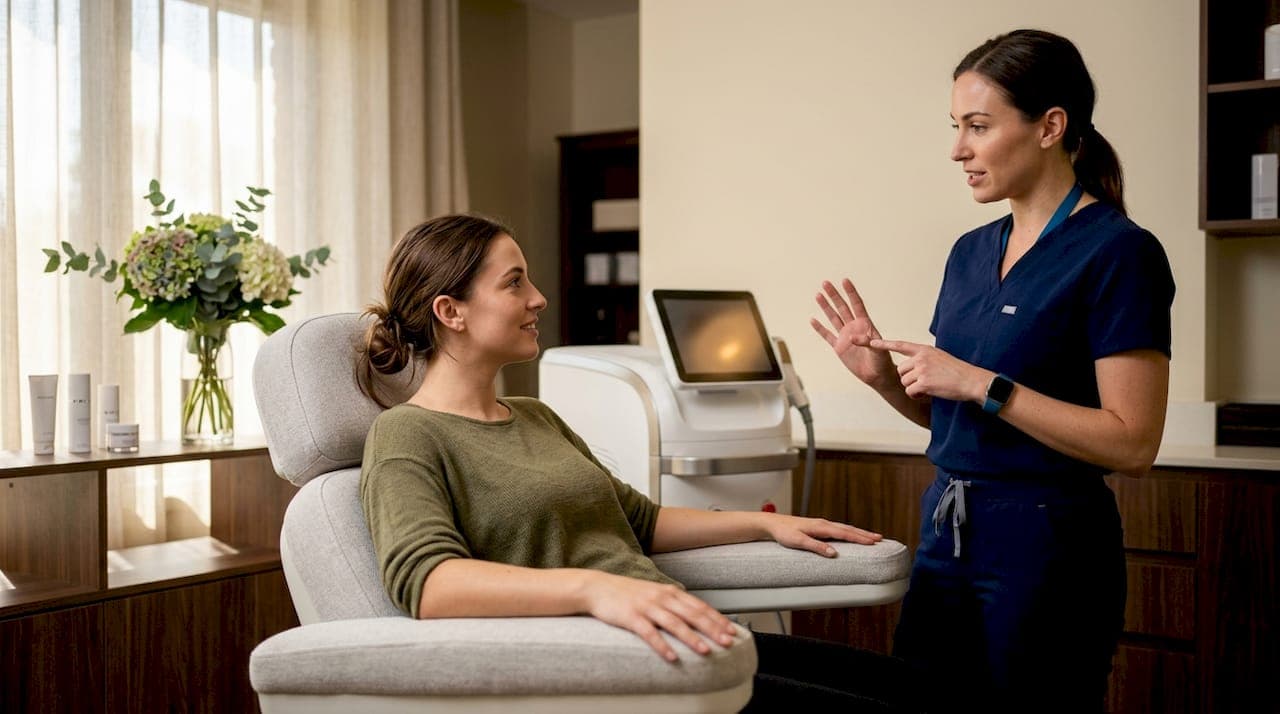
Bikini area laser hair removal is a cosmetic procedure that permanently reduces unwanted hair by targeting follicles with concentrated laser energy. The American Academy of Dermatology endorses laser treatment for conditions like folliculitis and pseudofolliculitis, which are chronic skin problems caused by shaving and waxing in the intimate zone. Completing a full treatment course achieves permanent hair reduction of 80–95% in the bikini area. That level of reduction means most people stop dealing with ingrown hairs, razor burn, and constant upkeep for good. Whether you are considering a standard bikini line tidy-up or a full Brazilian, understanding the process sets you up for the best possible outcome.
What areas does bikini laser hair removal cover?
The term "bikini laser hair removal" covers three distinct treatment zones, and clinics define them differently. Confirming the exact coverage with your provider before booking prevents mismatched expectations and wasted sessions.
Standard bikini line targets only the hair visible outside a swimsuit bottom. Think of it as a clean border along the inner thighs and above the pubic area. This option suits people who want a neat edge without full coverage.
Full bikini goes further, removing hair from the entire pubic mound and sometimes the outer labia. It is a middle ground between the standard line and a complete Brazilian.
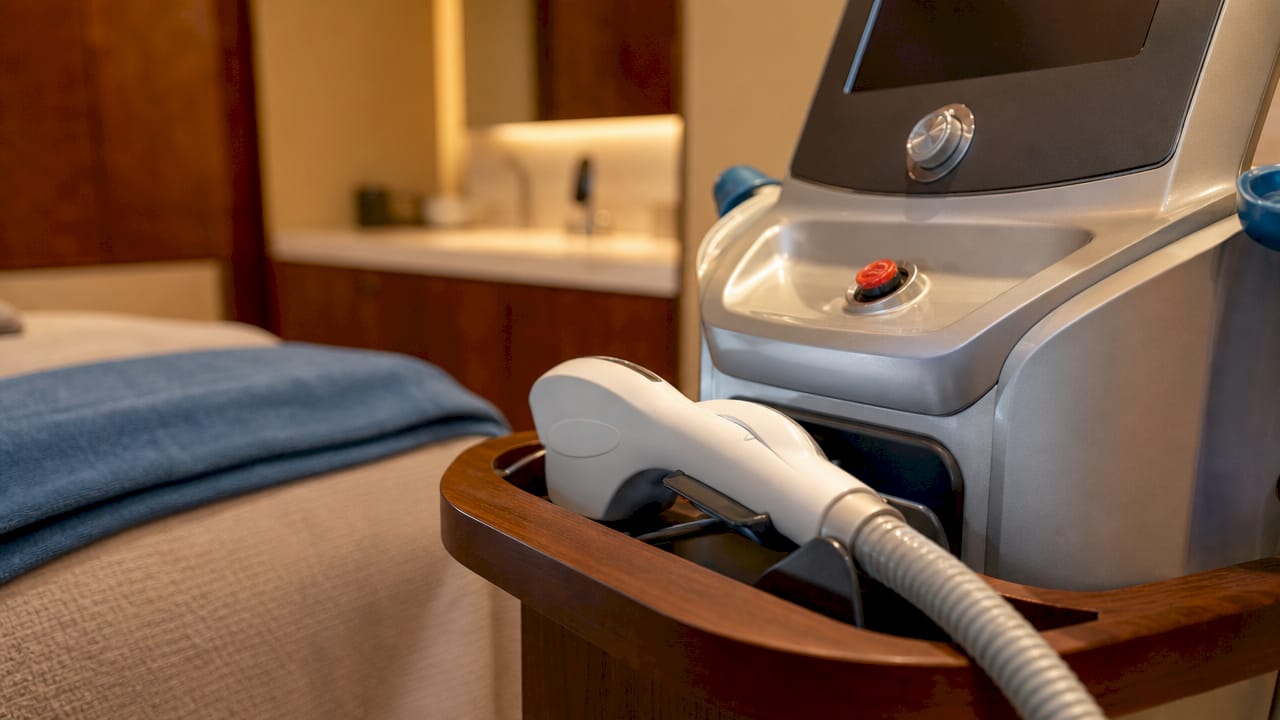
Brazilian laser hair removal covers the entire intimate zone, front to back, including the labia and perianal area. Standard bikini targets hair visible outside a swimsuit, while Brazilian covers the entire intimate zone including labia and perianal area. The Brazilian option appeals to people who prioritize hygiene, comfort, and zero maintenance.
| Treatment Type | Coverage Area | Ideal Candidate | Estimated Sessions |
|---|---|---|---|
| Standard bikini | Hair outside swimsuit line | First-time clients, minimal coverage goal | 5–6 |
| Full bikini | Pubic mound and outer labia | Clients wanting more coverage without full Brazilian | 6–7 |
| Brazilian | Front to back, including labia and perianal | Clients seeking complete hair removal | 6–8 |
Hair density, skin tone, and hormonal factors all influence how many sessions you will actually need. Individual goals and variables like these should be discussed openly with your provider during the initial consultation.
Pro Tip: Ask your clinic to mark the exact treatment boundaries on your intake form. "Bikini" means something different at every spa, and a written record protects you from surprises on the table.
How does bikini laser hair treatment work?
Laser hair removal works through a process called selective photothermolysis. The laser emits concentrated light pulses that target melanin pigment in hair follicles, converting light to heat and disabling the follicle without harming the surrounding skin. Because the laser seeks out pigment, darker hair on lighter skin responds most readily, though modern medical-grade systems now treat a much broader range of skin and hair types.
Hair grows in three phases: anagen (active growth), catagen (transition), and telogen (resting). The laser only disables follicles in the active anagen phase. That is why a single session never eliminates all hair. Multiple sessions catch follicles at different stages of their cycle.
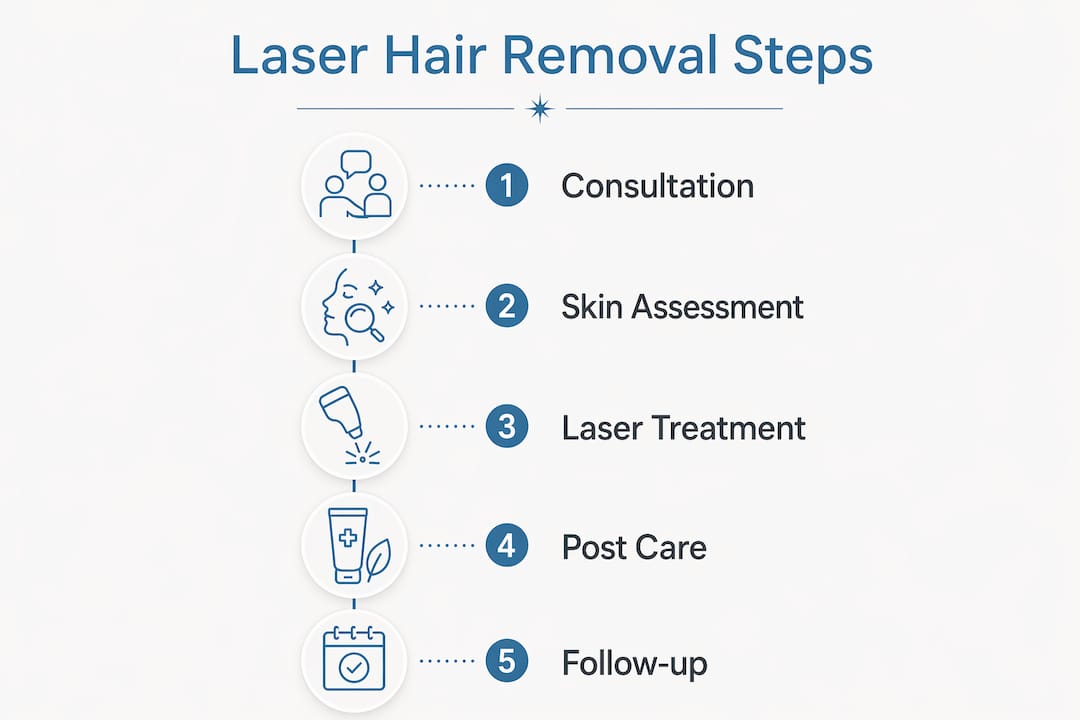
A typical bikini laser session follows this sequence:
- Consultation and skin assessment. Your technician reviews your skin tone, hair color, and medical history to select the correct laser settings.
- Shaving the treatment area. The area is shaved the day before or day of the session to keep the follicle intact while removing surface hair.
- Protective eyewear and cooling gel. Both you and the technician wear protective goggles. A cooling gel or built-in cooling tip protects the skin surface.
- Laser application. The technician moves the handpiece across the treatment zone in overlapping passes. Sessions last 15 to 30 minutes depending on the area size.
- Post-treatment soothing. A cooling compress or aloe gel is applied immediately after to calm any redness.
Most people notice finer, slower-regrowing hair after the first one or two sessions. Full results emerge after completing the recommended course. Bikini treatments typically require 5 to 8 sessions spaced 4 to 6 weeks apart to achieve optimal hair reduction. Spacing matters because it aligns each session with the next wave of follicles entering the anagen phase.
Pro Tip: Do not skip sessions because the hair looks sparse after session three or four. Follicles still in the resting phase will re-enter active growth and require treatment. Stopping early is the single most common reason people see disappointing long-term results.
How to prepare and care for your skin around treatment
Preparation directly affects how well the laser performs and how your skin recovers. Skipping prep steps is not just inconvenient. It can reduce effectiveness and increase the risk of side effects.
Before your session:
- Avoid sun exposure and tanning beds for at least two weeks before treatment. Tanned skin raises the risk of burns and pigmentation changes.
- Stop waxing and plucking at least four weeks before your first session. Waxing or plucking removes hair roots, making the laser ineffective because there is no follicle to target.
- Shave the treatment area 12 to 24 hours before your appointment. Shaving leaves the follicle intact while clearing surface hair.
- Skip retinoids, acids, and exfoliants on the bikini area for 48 hours before treatment.
- Arrive with clean, product-free skin. No lotions, deodorants, or numbing creams unless your provider prescribes them.
After your session:
- Apply a cool compress or aloe vera gel to reduce redness and swelling for the first 24 hours.
- Avoid hot baths, saunas, and intense exercise for 48 hours. Heat increases inflammation in freshly treated skin.
- Wear loose, breathable cotton underwear to minimize friction.
- Apply broad-spectrum SPF 30 or higher to any exposed areas for at least two weeks post-treatment.
- Do not wax, thread, or pluck between sessions. Shaving is the only acceptable hair removal method during your treatment course.
"Laser hair removal is an effective treatment for chronic folliculitis and pseudofolliculitis in the bikini area by eliminating the irritation caused by shaving or waxing. The American Academy of Dermatology endorses laser treatment for these conditions, making it a medically sound choice beyond simple cosmetic preference."
Common side effects include temporary redness, mild swelling, and a sensation similar to a light sunburn. These typically resolve within 24 to 48 hours. Consult a physician before starting treatment if you are pregnant, taking photosensitizing medications, or have a history of keloid scarring.
What are the most common mistakes in bikini laser hair removal?
The biggest mistakes in intimate area laser hair removal are avoidable. Knowing them in advance saves you time, money, and frustration.
- Waxing between sessions. This is the most damaging mistake. Removing hair roots between sessions nullifies the laser's ability to target those follicles. Shave only.
- Expecting results after one session. Visible thinning starts after session one or two, but meaningful permanent reduction requires the full 5 to 8 session course.
- Ignoring skin tone and hair color. Very light or white hair contains little melanin and responds poorly to standard lasers. Very dark skin tones require specific laser wavelengths to avoid burns. Advanced lasers and settings now permit broader inclusivity, but professional assessment is non-negotiable.
- Choosing a provider based on price alone. Medical-grade laser technology and trained technicians under physician oversight are the standard for safe and effective bikini laser treatment. Bargain clinics often use lower-powered devices that deliver weaker results.
- Skipping the consultation. A proper consultation identifies contraindications, sets realistic expectations, and lets the provider customize settings for your skin and hair profile.
- Underestimating discomfort in sensitive areas. The bikini zone is more sensitive than legs or arms. Most clinics offer topical numbing cream for clients with low pain tolerance. Ask about it before your first session.
Realistic timelines matter. Most people see a significant reduction in hair density by session four, with final results visible two to three months after the last session as treated follicles shed naturally.
Key Takeaways
Bikini area laser hair removal achieves 80–95% permanent hair reduction when you complete the full recommended treatment course and follow proper preparation and aftercare protocols.
| Point | Details |
|---|---|
| Choose the right coverage type | Standard bikini, full bikini, and Brazilian each cover different zones. Confirm boundaries with your clinic before booking. |
| Complete the full course | 5–8 sessions spaced 4–6 weeks apart are required to target all follicles across their growth cycles. |
| Never wax between sessions | Waxing removes hair roots and makes laser treatment ineffective. Shaving is the only acceptable method between sessions. |
| Provider quality determines safety | Choose clinics with medical-grade lasers and physician oversight. Skin tone and hair color require professional assessment. |
| Aftercare protects your results | Avoid sun exposure, heat, and friction for 48 hours post-treatment and apply SPF consistently to treated areas. |
What I have learned from watching clients get this wrong
I have seen a lot of people walk into their first bikini laser consultation with two misconceptions: that it will be over in a couple of sessions, and that any laser clinic will do. Both assumptions cost people real money and real disappointment.
The consultation is not a formality. It is where a skilled provider reads your skin tone, maps your hair density, and selects the laser settings that match your biology. Skipping it or rushing through it is like skipping a fitting before buying a tailored suit. The result will not fit.
The other thing I have noticed is that people underestimate how much aftercare matters. The laser does its job in the session. Your skin does its job in the days that follow. Clients who protect their skin from sun, heat, and friction between sessions consistently see better results than those who treat aftercare as optional.
One more thing worth saying plainly: the benefits of laser hair removal in the bikini area go well beyond aesthetics. Reduced ingrown hairs and skin irritation translate to real improvements in daily comfort and hygiene. Clients who struggled with chronic folliculitis from shaving often describe the change as life-altering. That is not marketing language. That is what happens when you remove a recurring source of inflammation from a sensitive area of the body.
If you are on the fence, book the consultation. You will leave with a clear plan and realistic expectations, which is the best starting point for any treatment.
— Sharon
Elitelaserhair offers expert bikini laser treatments in Suffolk County
Elitelaserhair at Elite Laser Center in Stony Brook, NY, uses FDA-approved, medical-grade laser technology for every bikini laser hair treatment, with all sessions performed under experienced medical supervision. The center offers packages covering standard bikini, full bikini, and Brazilian treatments, each customized to your skin tone, hair type, and personal goals.
Elite Laser Center backs its laser hair removal services with a three-year guarantee on packages, a distinction that reflects genuine confidence in their results. Recognized as the top CoolSculpting facility in New York, the center brings the same standard of care to every treatment it offers. Schedule a free consultation at Elitelaserhair to get a personalized treatment plan and find out which bikini laser option fits your goals.
FAQ
What is the difference between bikini and Brazilian laser hair removal?
Standard bikini laser hair removal removes hair visible outside a swimsuit, while Brazilian laser hair removal covers the entire intimate zone including the labia and perianal area. The right choice depends on your personal coverage preference and maintenance goals.
Is bikini area laser hair removal safe?
Bikini laser hair removal is safe when performed by trained technicians using medical-grade equipment under physician oversight. The American Academy of Dermatology endorses laser treatment for chronic skin conditions like folliculitis caused by shaving in this area.
How many sessions does bikini laser hair removal take?
Most people need 5 to 8 sessions spaced 4 to 6 weeks apart to achieve 80–95% permanent hair reduction. Hair growth cycles require multiple sessions to treat all follicles effectively.
Can I wax between laser hair removal sessions?
No. Waxing or plucking between sessions removes the hair root, which is what the laser targets. Shaving is the only recommended hair removal method during your treatment course.
Does bikini laser hair removal work on all skin tones?
Modern medical-grade lasers treat a broad range of skin tones, but professional assessment is required to select the correct wavelength and settings safely. Very light or white hair responds poorly to standard lasers regardless of skin tone.